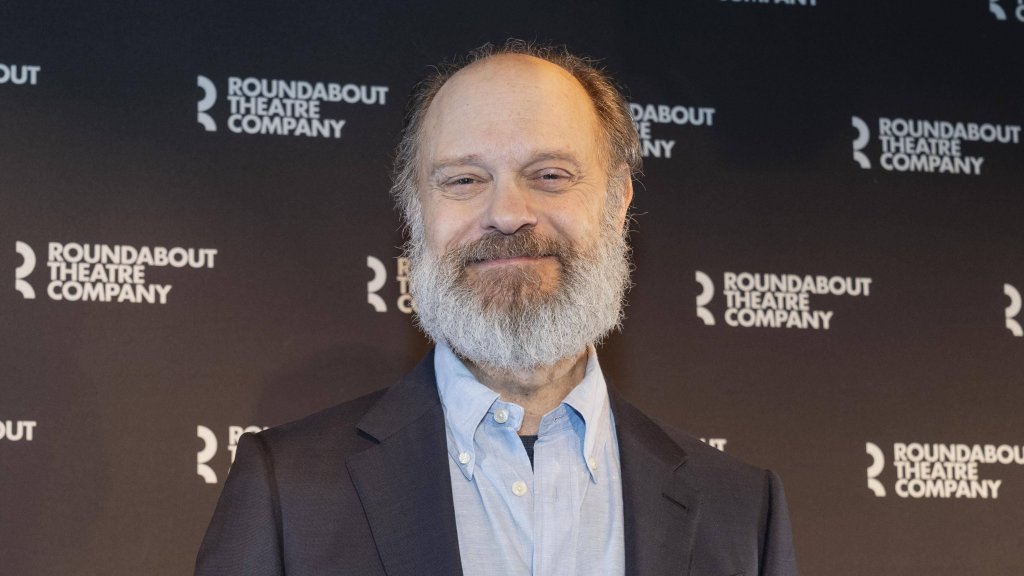
As Niles Crane, Tony- and Emmy-winning actor David Hyde Pierce (67) became one of the most recognisable faces on American television. In the hit sitcom “Frasier”, he spent years playing the title character’s younger brother, a highly educated, neurotic psychiatrist with refined social manners. In private, the actor kept his homosexuality secret for a long time. It was not until 2007 that he decided to speak publicly about it.
The key points at a glance
- Coming out later in life: American actor David Hyde Pierce, known as Niles Crane in the hit series “Frasier”, did not speak publicly about his homosexuality until 2007.
- Silence in childhood: Homosexuality was rarely discussed in his home town. For a long time, Pierce did not know that gay people even existed.
- Love began as friendship: Pierce and his future husband Brian Hargrove initially had no idea that the other was gay. Only after a year did they admit their feelings to each other.
- Wedding in 2008: The couple married shortly before the passage of California’s Proposition 8, which sought to ban same-sex marriage.
- Experiences during the AIDS crisis: Pierce remembers friends who died and the importance of plays that addressed a subject widely ignored at the time.
- New film role: In the coming-of-age film “Mouse”, he plays a drama teacher and discusses how important supportive teachers can be for young LGBTQ+ people.
Small-town childhood
Pierce grew up in a small American town where same-sex love was rarely discussed. “I didn’t even know there was such a thing as homosexuality. One reason I didn’t know was that nobody talked about it, at least not in the small town where I grew up. That’s pretty crazy,” Pierce said. This experience stayed with him throughout his later career. Although he worked in theatre and television, where gay performers had long been represented, navigating their own sexual orientation remained a personal and professional challenge for many actors. Even successful performers had to reckon with possible disadvantages at the time if they publicly acknowledged being gay. That also applied to established performers such as Neil Patrick Harris and Pierce himself. During the 1990s and early 2000s, Pierce was among the best-known television actors who did not make their homosexuality public.
Breakthrough with “Frasier”
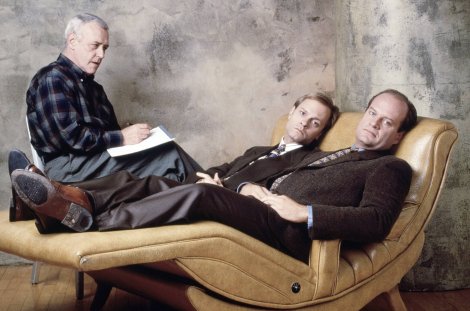
Pierce enjoyed his greatest television success with the sitcom “Frasier”. In it, he portrayed Niles Crane, the younger and particularly intellectually ambitious brother of psychiatrist Frasier Crane, played by Kelsey Grammer. The series’ characters were distinguished by their cultivated, sometimes exaggerated manner of speaking, their social ambitions and their complicated relationships. Niles in particular, with his sensitive and occasionally affected manner, repeatedly prompted speculation about his sexual orientation. Such allusions were also discussed outside the series. Pierce himself, however, continued to keep his private life largely out of the public eye. Playing roles associated with gay life or social perceptions of it did not automatically mean that he wanted to discuss his own homosexuality publicly.
Neither knew the other was gay
According to Pierce’s account, the story of his relationship shows how strongly the social expectations of the time could influence gay people’s private lives. When he met his future husband Brian Hargrove, neither initially knew that the other was gay. Brian had even pretended to be in a relationship with a woman at the time to conform to social expectations. “So I didn’t know he was homosexual, and he didn’t know I was homosexual. And we became best friends.” For about a year, it remained a close friendship. Only then did the two speak openly about their feelings and their sexual orientation. “One evening we were going to the cinema, and I told him I was gay, and he told me he was gay. And as he always says, I never left after that. That was it,” the actor recalled. Their friendship developed into a lasting partnership. The two married in 2008.
Wedding before the marriage ban
The wedding took place at a politically tense time. Legal recognition of same-sex marriage was then being fiercely contested in California. Pierce and his partner married shortly before the passage of the so-called Proposition 8 in 2008 (German). This constitutional amendment restricted marriage in California to unions between a man and a woman – the law was not finally repealed until 2024. For gay couples, the political dispute brought considerable uncertainty. Even rights they had already fought for were once again up for debate. Nevertheless, Pierce continued to choose to keep his private life largely private. Only occasionally did he speak publicly about his personal experiences and the social conditions in which he had grown up.
The AIDS crisis changed many things
Alongside his long-term relationship, it was above all his experiences in theatre that shaped the actor’s approach to his homosexuality. Pierce explained that he had known very little about gay life in his youth. “I didn’t grow up knowing very much about the gay world,” he said. It was only through his work as an actor that he came to know the community and its social challenges better. The AIDS crisis, which claimed numerous lives in the 1980s and 1990s, had a particularly profound impact. Pierce experienced this period as a member of the American theatre industry. As friends and colleagues fell ill or died, he felt that the government of the time was not doing enough to address the epidemic. As a result, artistic engagement with HIV and AIDS took on particular significance for him.
Pierce appeared in several productions that explored gay life and social conflicts. These included Christopher Durang’s “Beyond Therapy” and “The Heidi Chronicles”, a play that also addresses the AIDS crisis. Such productions had fulfilled an important function, particularly at a time when many people did not want to talk publicly about the epidemic. “It wasn’t the only play about AIDS that I appeared in. But anything that began to engage with the subject at the time felt important, because for so long nobody wanted to talk about it,” Pierce explained. Society’s reluctance to address the subject had stood in stark contrast to the experiences of many of those affected. “Friends were dying, and the government at the time had no interest in talking about it. So anything that could raise awareness and simply show people that they were seen was important.” Theatre and other forms of artistic expression had therefore helped make visible people and their experiences that had long received too little attention in public debate.
New film role as a teacher
With his new film “Mouse”, Pierce is once again exploring the experiences of young gay people. In the coming-of-age story, he plays a high school drama teacher. To prepare for the character, the actor recalled his own teachers and the influence they had on his personal and artistic development. Drama teachers in particular could open up new perspectives for young people, he explained. “I thought about the drama teachers I had later, when I was at school and actually studying theatre. Because they open doors, windows, eyes and possibilities for you – regardless of whether or not you go into theatre yourself later on.”
In his view, the importance of good teachers does not lie solely in imparting subject knowledge. They can also help young people develop their personalities and discover their own abilities. This applies particularly to young LGBTQ+ people who may still be unsure how to understand their sexual orientation or gender identity. A good teacher must be able not only to assess achievement, but also to recognise a pupil’s distinctive qualities. “It’s important to have a teacher who can be excited about you,” Pierce said. “Someone who recognises that there is something special in you.”