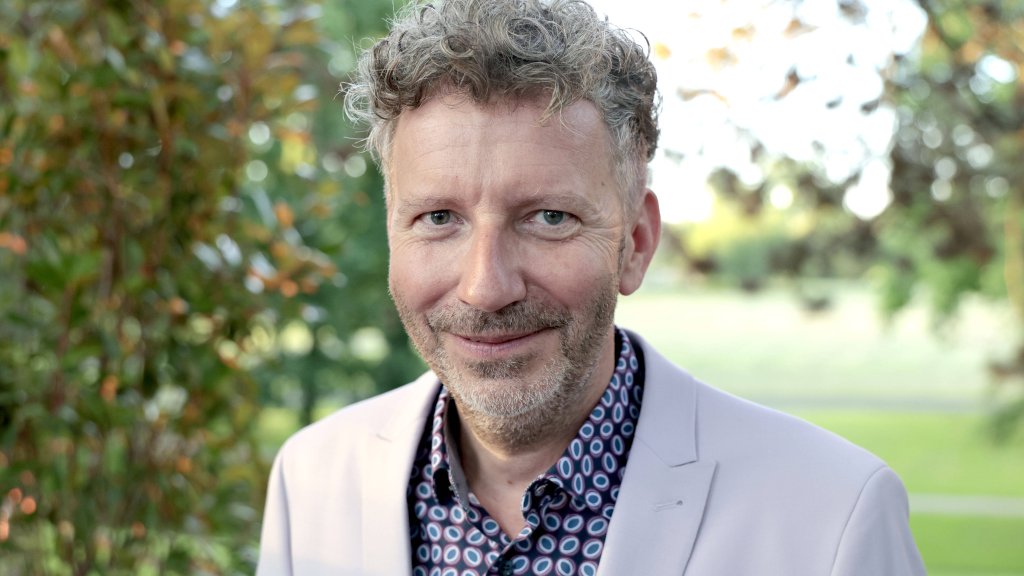
After a quarter of a century as one of the defining voices of public service radio in North Rhine-Westphalia, Thorsten Schorn will leave WDR 2's daytime schedule on 4 September. According to WDR and industry magazine DWDL.de, the 50-year-old presenter is ending his daily presence on the state's most-listened-to radio station to pursue other professional challenges. Schorn's departure marks a shift in North Rhine-Westphalia's radio landscape and also provides an opportunity to examine staffing policy and media diversity in public service broadcasting.
Key points at a glance
- Thorsten Schorn will present his last regular WDR 2 programme on 4 September.
- After more than 25 years at WDR, he is seeking new professional paths.
- Schorn will continue as a commentator for WDR and ARD, including at the German Radio Award and Eurovision Song Contest.
- WDR's programme director highlights Schorn's defining role and expresses regret at his departure.
- Schorn came out publicly in 2014 and is regarded as a visible queer media personality.
Leaving after 25 years of presenting at WDR
Thorsten Schorn began his career at Westdeutscher Rundfunk in 1999 on its youth station 1Live, before moving to WDR 2 in 2017. There, he presented the popular afternoon and early evening slot for many years. In this role, he helped shape informal, conversational radio journalism for a broad audience. According to his personal statement, Schorn is now seeking “new professional paths”, but will retain a prominent role at selected major events, such as presenting the German Radio Award. He will continue to commentate on the Eurovision Song Contest for WDR and ARD, having first guided its German audience through the contest in May 2024.
Media visibility and the question of diversity at WDR
Thorsten Schorn also represents a change in media representation. His coming out during a live broadcast in 2014 was a milestone for queer visibility in German broadcasting. For many LGBTQ+ listeners, Schorn's everyday presence on air symbolised diversity in practice. According to programme director Andrea Schafarczyk, his “charmingly cheeky style” and “passion for the medium” had been indispensable. His newly announced departure once again raises the question of how consistently public service broadcasters reflect diversity within their medium and the realities of their employees' lives, and whether staff changes are factored into structural planning.
The outlook for the station and the radio landscape
With Schorn's departure, WDR 2 and public service broadcasting are losing a distinctive voice that embodied both regional roots and an openness to new media formats. The appointment of his successor and the station's future editorial direction will be crucial to how credibly it can continue to reflect the breadth of society and participation within it. Only one thing is certain: Thorsten Schorn will be providing live commentary on the German Radio Award ceremony as soon as 10 September — confirming that this is a farewell to his everyday presence, but not to radio itself.