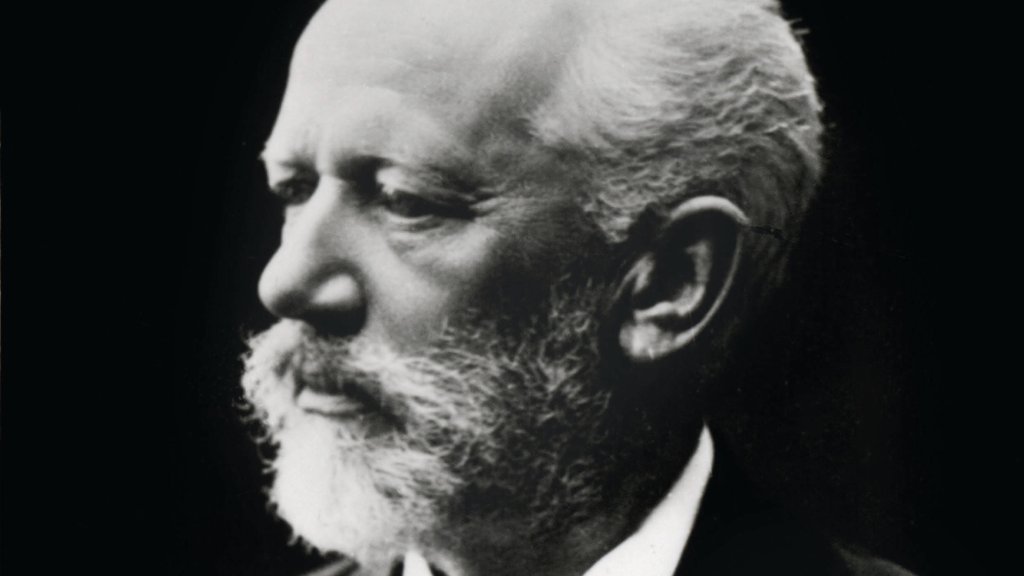
The Russian composer Pjotr Iljitsch Tschaikowski is once again the focus of public attention after recent biographical research substantiated his homosexuality, denied for decades, with previously unpublished letters. While his musical legacy has always had international resonance, the private dimension of his life – shaped by social repression and inner conflicts – has now come into uniquely sharp cultural and historical focus.
Key points at a glance
- New letters confirm Tschaikowski’s romantic relationships with men and his fear of being discovered by society.
- The failure of his marriage to Antonina Miljukowa was shaped by his attempt to conform to convention.
- Biographical sources reveal his deep connection with Eduard Sack and Vladimir Davidov.
- Music served as an emotional outlet for Tschaikowski in a repressive environment.
- Tschaikowski’s death in 1893 remains the subject of contentious debate, including in relation to his concealed identity.
Public figure and private life: new letters in focus
At the heart of the current research are handwritten letters between Tschaikowski and close confidants, which shed particular light on his relationship with his pupil Eduard Sack and later with his nephew Vladimir Davidov. Original documents from the Tschaikowski archive show that the composer describes a “sacred” bond of love in these letters and, for the first time, uses explicit language that makes same-sex desire clearly recognisable by today’s understanding. This collection of sources thus refutes earlier attempts by Soviet and nationalist cultural policymakers to conceal or downplay Tschaikowski’s sexuality. In Russia today, he is regarded as the country’s greatest composer. Given the restrictive anti-LGBTQ+ policies of the current government under Wladimir Putin, these letters are unlikely to be a welcome discovery and will probably go unmentioned.
Social pressure and the failure of a marriage
Biographical research, particularly the work of Alexander Poznansky, clearly demonstrates the central role that social expectations played in Tschaikowski’s life. His brief marriage to Antonina Miljukowa in 1877 demonstrably arose from his strategy to pre-empt rumours about his sexuality. Within a few weeks, it became clear that living together was untenable for both parties. Contemporary accounts and diary entries document how deeply the composer suffered under this arrangement and how he fell into a profound crisis after the separation, without ever initiating divorce proceedings.
Music as a refuge in a repressive era
In the repressive Russia of the 19th century, Tschaikowski, who wrote works still performed today such as "Swan Lake", "The Sleeping Beauty" and "The Nutcracker", was denied any opportunity to live openly as himself. Nevertheless, numerous letters to his friend and patron Nadeschda von Meck bear witness to his longing for personal freedom. This adds another dimension to interpretations of his works, particularly his Sixth Symphony: many musicologists also interpret the profound emotional intensity of these late works as a reflection of his existential fear and unfulfilled love life.
Remaining questions and further research interest
The reasons behind Tschaikowski’s sudden death in November 1893 remain unclear. While Poznansky and other specialists consider a cholera infection caused by contaminated water likely, speculation about a possible suicide persists. According to the current state of research, however, his confrontation with his own identity and constant fear of public discovery can no longer be left out of the biographical picture of Tschaikowski. The ongoing publication of further letters from the Tschaikowski archive will enable an even more precise understanding of his life and work in future.