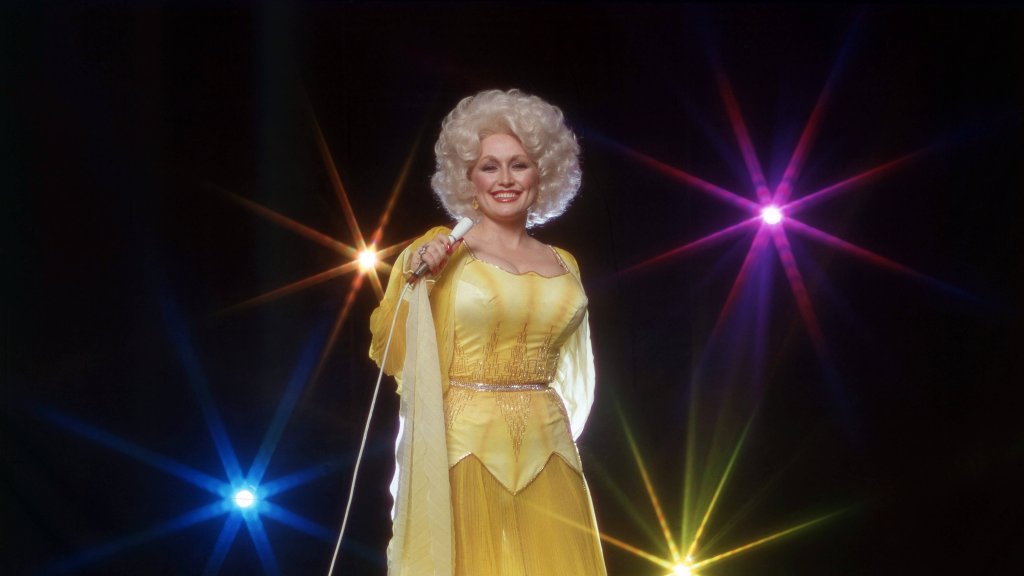
Before her death, country music icon Dolly Parton left a previously unreleased song entitled “My Place in History” for posterity: this musical “time capsule” is not due to be opened and released until her hundredth birthday on 19 January 2046, at her Dollywood theme park in Tennessee. The recording was locked away with memorabilia in a specially made “Dream Box” at the DreamMore Resort. According to the park in Pigeon Forge, Parton intended it as a lasting message to her fans and to the future.
Key points at a glance
- Dolly Parton left behind a secret, previously unreleased song.
- The song “My Place in History” will not be heard publicly until 2046.
- The recording is stored at the Dollywood theme park in the US state of Tennessee.
- The time capsule, a “Dream Box”, was deposited at the DreamMore Resort in 2015.
- Parton died on 25 August 2026 at the age of 80.
The symbolism of a time-capsule release
A pop star deliberately leaving a song for release in the distant future is unusual in the music business. While music otherwise relies on constant availability and rapid distribution, Parton deliberately built in a delay, intertwining the creation of her own legend with the fascination of the unattainable. The decision to lock a song away for 31 years makes a statement against the immediate commercial exploitation of creative processes, countering digital abundance with an analogue invitation to wait.
At the heart of the project is not just the individual song, but also the story of its existence. Media concepts such as time capsules invite speculation, evoke a culture of remembrance and tap into a collective idea of what pop culture might mean to the future. According to the theme park, instructions for a CD player will accompany the song to ensure that future generations can also access the technology needed to play it.
Media reflections between staging and authenticity
Throughout her life, Dolly Parton knew how to shape her public impact beyond music into a narrative that resonated across society. Through numerous media appearances, including on Jimmy Fallon’s “Tonight Show”, she spoke openly about the time capsule and played up its mystery with a mixture of self-deprecating humour and pathos. The involvement of the media was clearly intentional and generated a response worldwide.
Media analysts can observe how, until its actual release, the song serves as a canvas for wishes, fears and interpretations of pop culture. By deferring its release until 2046, the product becomes something of a myth, with its actual quality seeming almost secondary. This deliberate staging of authenticity shows that pop greats such as Parton know very well how to generate cultural attention beyond the conventional logic of music releases.
The next concrete step is to open the capsule in 2046. Until then, “My Place in History” remains a fascinating example of how the interplay between an artistic persona, control over one’s media image and collective expectations can work in the digital age.