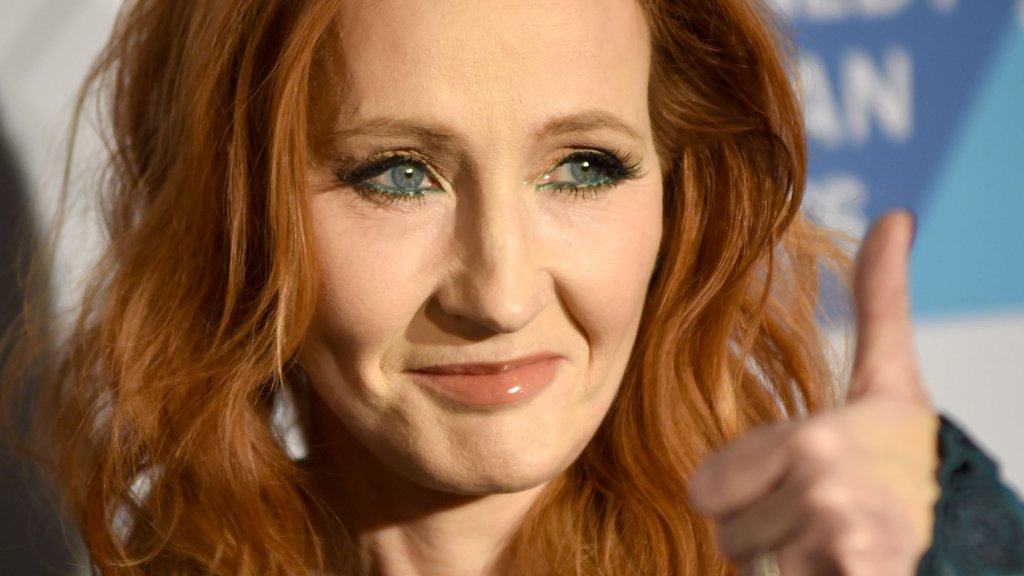
Author J.K. Rowling once again caused an international stir on Thursday, 31 August. On the platform X (formerly Twitter), she shared a photo depicting a trans woman in an unflattering, even degrading way, accompanied by derogatory comments about her. This was not the first time the "Harry Potter" creator had publicly expressed transphobic views – but the deliberate publication of a so-called “upskirt” photo marks a new level of escalation. Police and state authorities in the UK are considering what action to take following the alleged public incitement to hatred. For the queer community and prominent commentators, one thing is clear: the dispute over trans rights has reached a social and moral low point.
Key points at a glance
- J.K. Rowling posted a degrading photo of a trans woman with a derogatory comment.
- Numerous celebrities and queer organisations firmly distanced themselves from Rowling.
- The published image originated with a well-known anti-trans activist.
- Police and state authorities in the UK are considering what action to take following the public incitement to hatred.
- The dispute over trans rights in the UK is flaring up again, including in connection with Rowling's influence.
Rowling publicly escalates her fight against trans rights
The incident was clearly perceived as a deliberate provocation: Rowling shared the compromising image of British podcaster Freda Wallace, originally taken by Maya Forstater, a well-known opponent of trans rights. In doing so, she repeatedly referred to Wallace disparagingly using the male personal pronoun and commented ironically that the audience had been “impressed”. With this deliberate violation of the principle of privacy, Rowling not only attacked individuals but also, in the view of many observers, launched a fresh attack on the British trans community.
Her actions quickly drew criticism from the worlds of culture, politics and civil society. Actor Indya Moore and author Neil Gaiman publicly accused Rowling of hatred and deliberate exclusion. The anti-discrimination network Stonewall called for an assessment of possible criminal offences.
Possible criminal consequences
According to British media reports, the author's actions are now also being assessed by police authorities. A law came into force in Scotland in 2024 criminalising “stirring up hatred” against certain groups, including on the grounds of trans identity. Whether Rowland's post actually constitutes a criminal offence remains a legal question to be resolved. The authorities are examining whether the threshold for criminal hate speech has been crossed.
Meanwhile, the publication prompted international protests. Numerous former colleagues from the Harry Potter film franchise once again distanced themselves from the author and called for a boycott. Harry Potter fans who identify as queer or trans in particular have responded with disappointment and growing disbelief. The debate about celebrities' moral responsibility and social influence has thus reached another dramatic peak.
Rowling herself has so far not commented on the current status of the investigation or on possible consequences. The police have announced that they will thoroughly examine all indications of criminal acts.