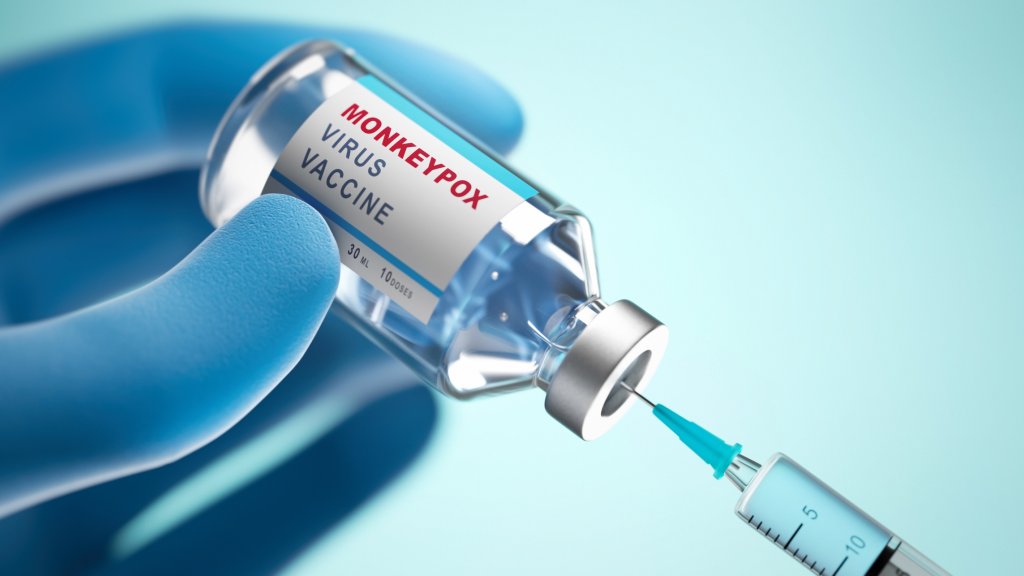
Mpox vaccination is recommended for people at increased risk of infection – for example, those who frequently change sexual partners. The primary vaccination course usually consists of two doses at least 28 days apart. Anyone who meets the criteria in the statutory vaccination directive is entitled to have the costs covered. Appointments are mainly available at practices specialising in HIV and infectious diseases.
This guide brings together information from health authorities, the Robert Koch Institute (RKI) and the Federal Joint Committee (G-BA), checked on 13 October 2026. The practice administering the vaccine will assess whether vaccination is indicated in your individual case.
The essentials at a glance
- The deciding factor is your individual risk of exposure, not sexual orientation alone.
- Imvanex is authorised for people aged 12 and over. Two vaccinations are usually needed.
- Seek medical advice promptly after close contact with someone who has Mpox: post-exposure vaccination can be time-critical.
- Specialist practices in Berlin, Hamburg and Cologne offer vaccination; check availability and appointments in advance.
Who is vaccination recommended for?
STIKO recommends preventive vaccination for people at increased risk of coming into contact with the virus. Examples include men, trans people and non-binary people who have sex with men and frequently change partners, as well as sex workers. Work specifically involving Mpox viruses in laboratories or research can also constitute an indication.
The vaccination directive generally identifies people at increased risk of exposure, for example through frequently changing sexual partners, as eligible for vaccination on the basis of an indication. The recommendation is therefore not limited to gay men. Routine vaccination of the entire population is not recommended.
How many vaccinations do I need?
For people aged 12 and over who have not previously been vaccinated against smallpox, the primary course consists of two doses of Imvanex at least 28 days apart. The vaccine is administered under the skin. If this interval is exceeded, the course does not need to be restarted. For people with a healthy immune system who have previously been vaccinated against smallpox, one dose is usually sufficient; for those with immunodeficiency, two doses are recommended even after previous smallpox vaccination. The practice will check your vaccination history using your vaccination record. Details are available in the RKI vaccination FAQs.
How much does Mpox vaccination cost?
For people with statutory health insurance and a relevant indication, vaccination is covered by their insurer. The basis for this is the G-BA vaccination directive. When arranging your appointment, check whether the practice will bill directly using your health insurance card and whether you need a prescription or any other documents. People with private health insurance should check reimbursement with their insurer in advance. SCHWULISSIMO reported on the earlier billing dispute in Berlin in “Health insurers cover vaccination again” (German).
Where can I get an appointment?
Berlin: The Landesamt für Gesundheit und Soziales lists practices contracted to provide statutory health insurance services as possible vaccination providers. Practices specialising in HIV are a natural first point of contact. For people without health insurance, the state lists services including Checkpoint BLN for its target groups and the Zentrum für sexuelle Gesundheit Mitte. Please ask the relevant facility directly about access and appointments. Our article “Mpox in Berlin” (German) puts Berlin’s appeal for vaccination into context.
Hamburg: The Sozialbehörde directs people to practices specialising in infectious diseases for vaccination and provides a link to a doctor search tool. The same page lists advice services for HIV and other sexually transmitted infections.
Cologne: The City of Cologne lists practices specialising in HIV/STIs and the university hospital’s HIV and infection control outpatient clinics as points of contact. Some medical information on the local page is older; current nationwide recommendations take precedence for vaccination age and schedule. The list does not guarantee an available appointment or vaccine supply.
What should I do after contact?
After close contact with someone known to have Mpox, do not wait for a routine preventive appointment. Contact a medical practice or the local public health department promptly and tell them when the contact occurred. STIKO recommends post-exposure vaccination as early as possible, within 14 days, provided there are no signs of illness. Within four days, it can probably prevent infection. If you have symptoms, a medical assessment is required; vaccination does not treat an existing illness. The Bundesinstitut für Öffentliche Gesundheit explains these distinctions.
Vaccinated people can still develop Mpox. If you notice suspicious skin changes or symptoms, you should therefore contact a practice by telephone first. For your scheduled vaccination appointment, it is helpful to bring your vaccination record, proof of insurance and information about previous vaccinations, medical conditions and medication. When booking, ask directly about the second appointment and the documents the facility requires.