Since mid-September, the Turkish authorities have been cracking down heavily on the queer community under the slogan “My family is safe”.
Mikhail, from Ukraine – lives in Cologne
I have my own personal story about this. In 2009, I met up with my then boyfriend in Istanbul. He was a Ukrainian Jew who lived in Cologne. At the time, I was living in southern Russia, where I had moved from Ukraine at the age of 7. I was amazed – in central Istanbul, you could see gay bars identifiable by their rainbow flags. That sort of thing had already disappeared in Russia by then. I thought: wow, a Muslim country, and nobody is worried about gay people.
I experienced that progressive shift in Russia back then. I was 18 and thought that one day we would be just as free as Western society. We could talk openly at the time, and I came out to my friends. I have experienced repression in Russia, and now it is Turkey’s turn. Today, 17 years later, conditions are almost the same as in Russia. That does frighten me – including when I think about the future in Germany.
Ten years ago, I thought: wow, the West is so progressive, none of this can ever be reversed. But an older friend who lives in Israel was already saying back then: “Misha, everything can go backwards. This too.” I had such hope and was full of idealism, believing that the West could do better.
But conservatism combined with right-wing populism is gaining strength worldwide at the moment.
Today, I am less afraid for myself than for the generations to come. We were free to come out; we could be open about who we were without having to be afraid. In future, many people will live in hiding and will once again be driven to suicide because they are not allowed to be open about it.
But honestly, that is not the only problem in Turkey.
Sascha, empirical cultural researcher or queer anthropologist
I became aware of events in Turkey in early September through various queer media accounts on Instagram. While researching a talk, I returned to the subject, thinking: OK, anti-queer politics are happening internationally. How can we respond? My professional research focuses on solidarity and queer perspectives on living together in solidarity. And for me, solidarity can only be understood in an international context. If something happens somewhere – and Turkey is not even that far away – it also affects us here in Germany. When queer organisations, associations, activists and so on face such massive repression, that affects us too, especially as we have a large Turkish community in Germany.
I think we need to raise our voices again and prepare for tough times, be more visible and not let ourselves be made invisible. All our arguments over small details have value too, but we are facing bigger battles right now. We need to come together more again and ask: how can gay men, lesbians, trans people and queer people all stand together more strongly and fight the shift to the right? I would recommend looking locally at what queer associations and organisations working on this issue are saying, or first listening to Turkish-speaking people around me and offering support where appropriate.
Unfortunately, next to nothing has been published in the public-service or commercial media. It seems that reporting extensively on queer issues is not currently considered strategically worthwhile, because our politics is moving in a different direction and other topics seem more important right now. All these “marginal issues” run counter to the current mainstream and tend to be seen as a nuisance. It is a sign of society’s overall shift to the right, and parts of the queer movement and queer communities are moving to the right along with it.
Sonja from Leverkusen, managing director of HennaMond – Mut, Rat und Lebenshilfe e. V.
I have been researching the situation of queer people in Turkey from 1985 to the present day. I have spoken to people and spent time alongside them, day and night, to find out what their lives are really like – what discrimination, racism and violence they face.
In recent years, I have increasingly seen the situation deteriorate as a result of the government’s actions. Rights are being restricted. Spaces where queer people used to meet have been closed, vandalised or even set on fire. What is now being enshrined in law has long been happening behind closed doors.
It makes me angry that there is so little reporting on this in Germany and in the EU. Many people in Turkey ask us: “What are we supposed to do? We are being beaten up, battered and locked away.”
And the whole world lets it happen. There is hardly any criticism of Turkey because many people know how Erdoğan reacts to criticism. I myself have not been allowed into Turkey since 2017 because I spoke about taboo subjects and also because I work with queer people.
In the late 1980s, people did not say “I am gay” or “I am a lesbian” after coming out. They called themselves “haram”, “tainted”. When I, as a Turkish Kurdish woman, said that people should not describe themselves that way, some could not understand it at first. Nobody is dirty or sinful. Every person has dignity. I myself also faced a planned forced marriage, which is why I fled my family.
I used to think: by the 21st century, we will be somewhere completely different. Today, I feel that we are only going backwards. I find the phrase “protecting the family” particularly frightening. It strips these people of their dignity and tells them: you do not belong. You are a problem for society.
When HennaMond was founded, there were hardly any support services anywhere in Germany that were also open to young men affected by forced marriage, the threat of so-called honour killing, family violence or violence because of their sexuality. We wanted to change that. Anyone experiencing violence can come to us – whether because of a forced engagement, a forced marriage or a child marriage. Around 90 per cent of our enquiries and calls for help come from a predominantly Muslim environment.
Through my work with young people in schools, I find it particularly frightening that the oppression of queer people has long been making itself felt here too. We do not have to wait for a problem to come to Germany from Turkey. It is already here. In Germany, I have encountered many imams and mosque congregations where homosexuality is still portrayed as an illness. Some conservative families pass such ideas and the law from Turkey directly on to their children. German law is supposed to protect them, but some families do not accept these laws and values.
In Germany, we make a mistake if we believe we must remain silent about such problems out of a misguided sense of political correctness. At the same time, we have a party here like the AfD that exploits such developments politically. People who do not abide by our Basic Law, our values and our democracy contribute to the AfD gaining support. These taboo subjects must be clearly named. That has nothing to do with racism.
HennaMond works throughout Germany to combat racism, discrimination and bullying, as well as child marriage, forced engagements, forced marriages, so-called honour killings and genital cutting. We oppose every form of family violence and coercion. We fight for everyone’s right to live a self-determined life and support young people in resisting control by others.
Tilly from Berlin
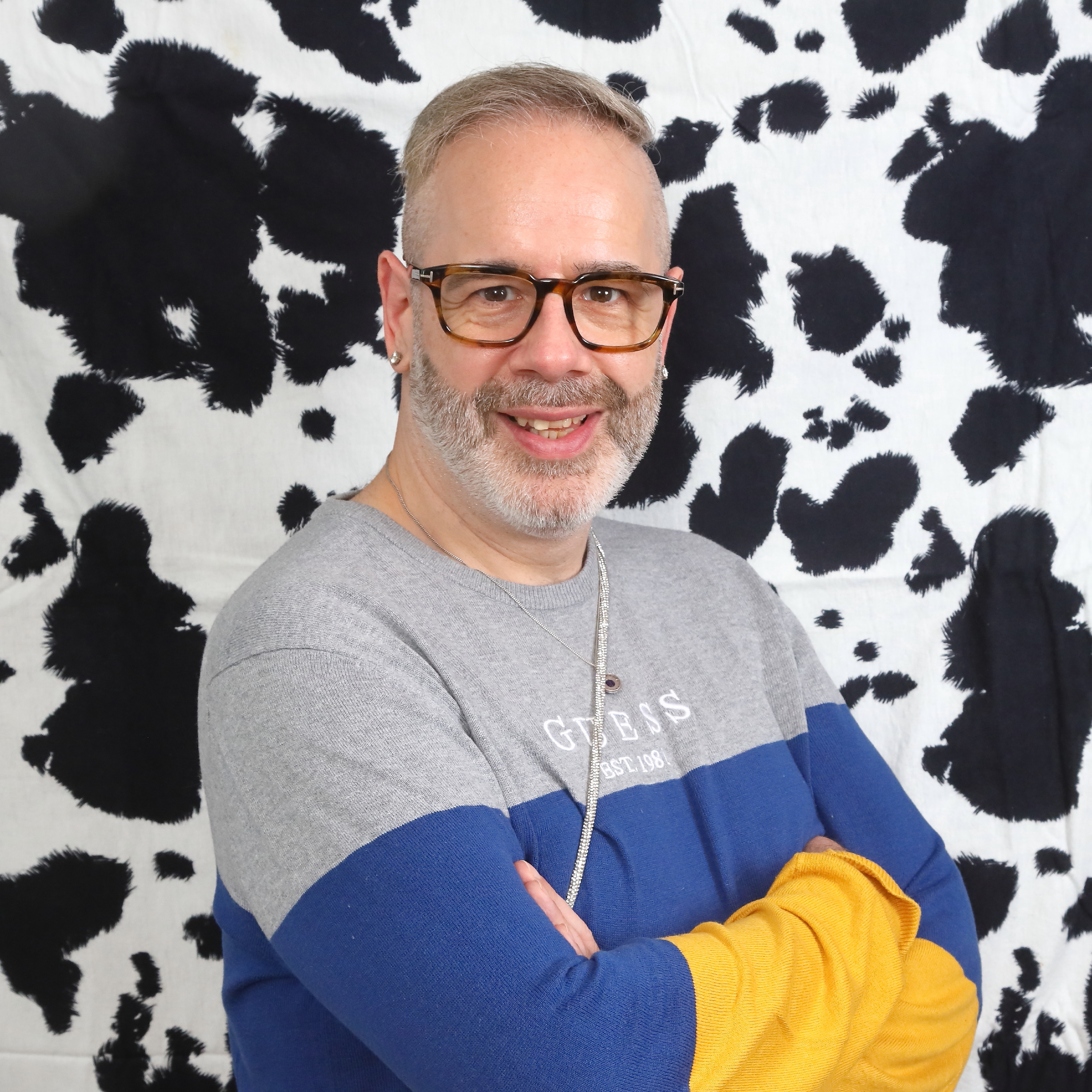
I learned through social media that Erdogan had ordered searches of all the support offices and premises of queer organisations, and that several long-standing supporters of these organisations had been arrested.
When it disappears from the media, as it has done, these people simply disappear too, until they are forgotten. By keeping quiet like this, we let support fade away and make people increasingly afraid to be publicly visible. You only have to look at Russia. Ultimately, Erdogan is riding the same wave, as is an orange ferret from the States. Trump simply destroys everything he hates, everything that has ever done anything to him. Erdogan, on the other hand, is simply trying to “clean up” his country again, taking it back to a time before Atatürk.
And I see that many queer people are still travelling to Turkey, a country that is currently depriving queer people of their means of living. There needs to be much more than an outcry from the community. But there is no outcry anywhere in the world. It would also be a political issue for many countries. When even people from the queer scene now say, “I understand why people no longer want to see rainbow flags, because we are overwhelming them with them,” I say NO. Right now, we simply have to hold it up in people’s faces and say: we are here, we will not let ourselves be driven out.
And I have a sense of how many people in the queer scene vote for the AfD because they say, at some point we have to… I say: NO, please look back to 1933.
Because of the problems we currently have in our own country, we forget the people who have even bigger problems. And that is where I feel the lack of this outcry directed at Turkey. I find that frightening.
Tobias from Cologne
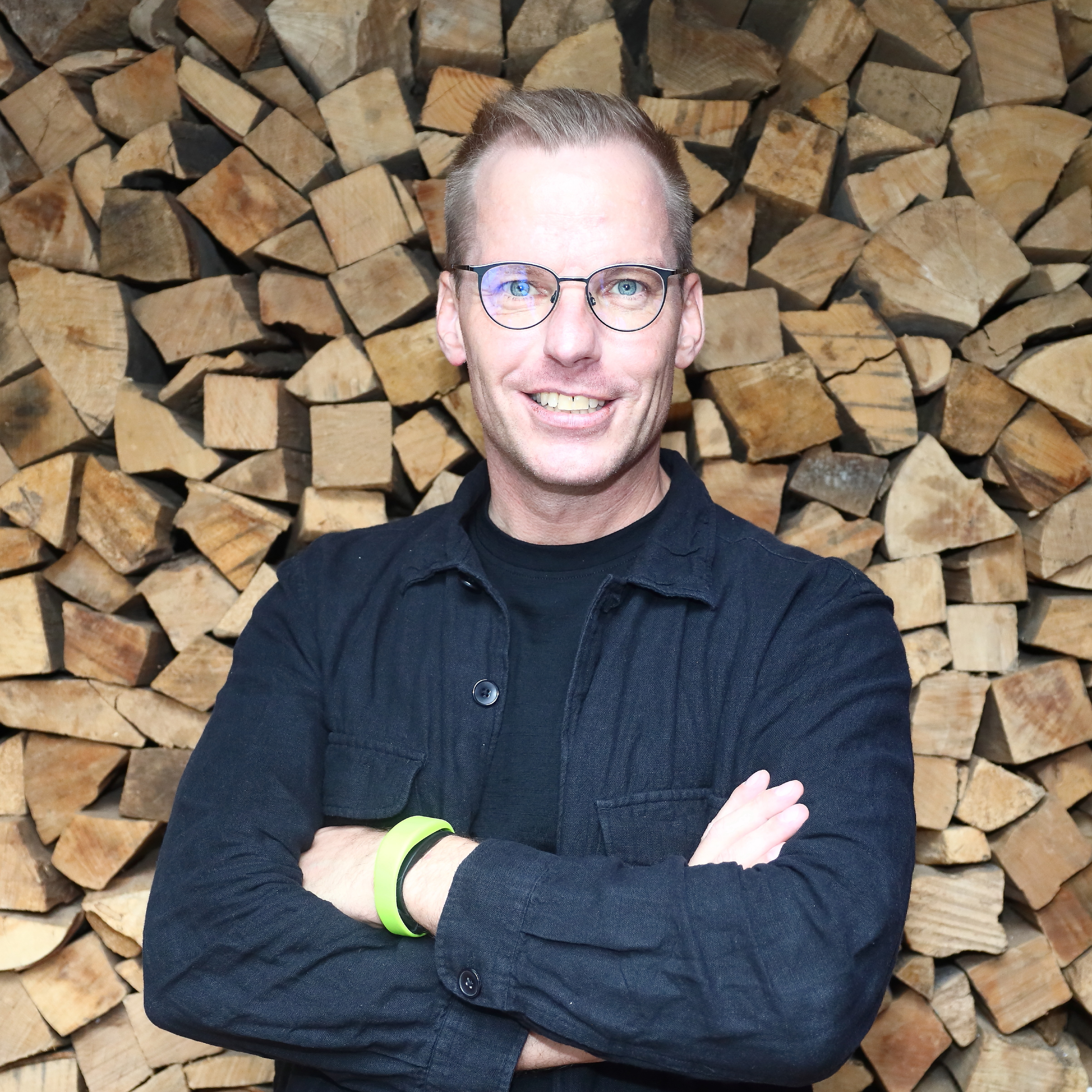
When that happened in Turkey, my husband was in Istanbul on an orchestra exchange. Seeing demonstrators being beaten with batons first-hand gave him goosebumps. In reality, someone like Mr Erdogan could not care less about gay men. But inciting people against minorities is a tool for consolidating his power.
I certainly felt the lack of any kind of statement from our government. That is unacceptable. If we remain silent now, nobody will help us either if it happens here.
When the laws in Uganda were changed to punish homosexual acts, we wrote a letter to our foreign minister calling for our development aid to be made conditional on this in some way. But unfortunately, foreign policy does not work like that.
I have been involved quite extensively in an anti-discrimination project since 2012. It is called SCHLAU, and I would say it has given me a certain sensitivity to this issue. Anything that restricts human rights, whether it concerns queer people or racism, is abhorrent to me. We are seeing developments abroad that are certainly a few years ahead of us. But we are also noticing things changing here. When you hear that the CDU and AfD are joining forces to ban Stolpersteine memorial stones, we are really already in the midst of it. Youth centres are being closed, and these volunteer projects depend on funding, which is being cut back further and further.
We have thought about emigrating to Spain if things get that far here. But I think getting out of the way is the wrong approach. We know that from our history; it only makes things get worse even faster. And we have to stand against that.