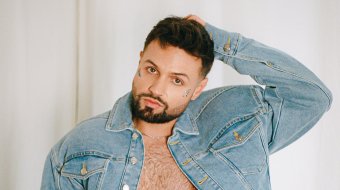
When actor Mike Manning came out as bisexual on television at the age of 22, he feared it would mean giving up important personal goals. Marriage, children and an ordinary family life seemed potentially out of reach at the time. Seventeen years later, the now 39-year-old is married and has been nominated for another Daytime Emmy. He has now spoken at length about his career and private life, warning against setbacks.
The key points at a glance
- Another Emmy nomination: Mike Manning is nominated for best supporting actor at the Daytime Emmy Awards for his role in the CBS series “Beyond the Gates”.
- Coming out on television: Manning rose to prominence through the MTV reality show “The Real World: D.C.” in 2010 and began campaigning for LGBTQ+ rights.
- An LGBTQ+ family on television: In “Beyond the Gates”, he plays a gay journalist who is married to a Black congressman and is raising two adopted children.
- Speaking out against discrimination: Manning warns against setbacks to LGBTQ+ rights.
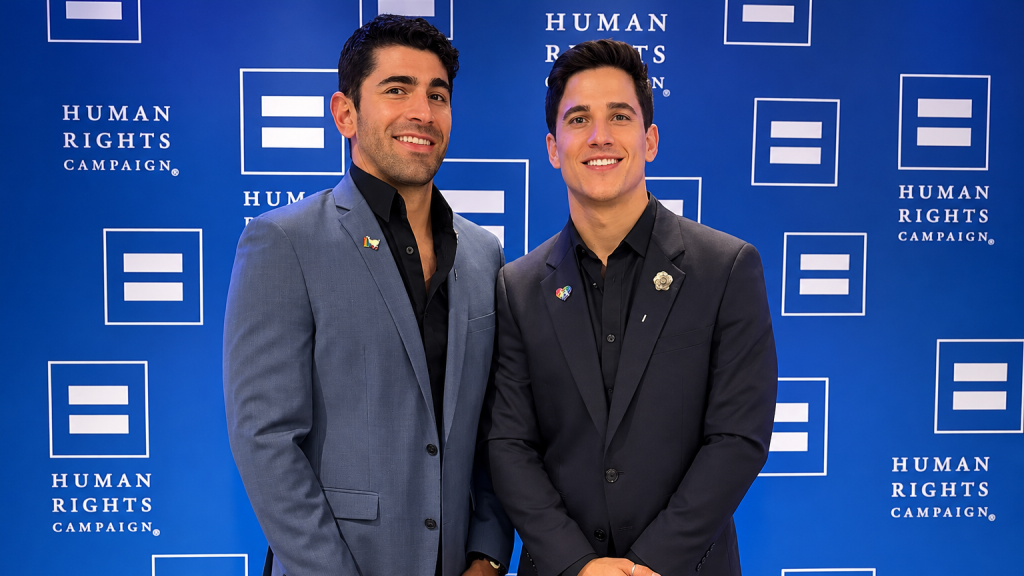
- Personal happiness: He has been married to Nick Tocco since 2017. Work commitments mean they are currently in a long-distance relationship.
Another Emmy nomination
Manning has already won two Daytime Emmys: as a producer and as a supporting actor in the series “The Bay”. He is once again a contender at the 53rd Daytime Emmy Awards at the Hollywood Palladium in Los Angeles. This time, he is nominated for his supporting role in the CBS soap opera “Beyond the Gates”. In the series, Manning plays the white gay journalist Bradley “Smitty” Smith, who is married to Martin Richardson, a Black congressman. Together, the two men are raising two adopted children. The story centres on the wealthy Black Dupree family, combining family conflicts with social issues. For Manning, his work in front of and behind the camera is closely linked to his commitment to equality. Stories can change attitudes and open up new perspectives for people, he went on to explain.
Political awakening
When Manning arrived in Washington in 2009, the American capital was in the midst of political change. Barack Obama had just begun his presidency. At the same time, LGBTQ+ organisations were fighting for better protection against workplace discrimination, marriage equality and the abolition of the discriminatory military policy “Don't ask, don't tell”. This policy restricted gay service members from serving openly in the US armed forces. Manning was then a participant in the MTV show “The Real World: D.C.”. The format followed young adults living together in a house, with cameras documenting their everyday lives. Manning had originally planned to campaign on environmental issues with the Energy Action Coalition.
But a chance encounter changed his plans. While walking along Connecticut Avenue, he spotted a T-shirt bearing the word “Amen” in a shop window. As someone involved in church life himself, he was curious. The shop belonged to the Human Rights Campaign (HRC), an American organisation campaigning for LGBTQ+ rights which, among other things, was seeking to win religious leaders over to the cause at the time. “I always joke that God made me become a gay rights activist,” Manning said.
Encounters change his perspective
Through the Human Rights Campaign, Manning met people who had lost their jobs because they were gay. Others told him they had been discharged from the military because of their sexual orientation. These encounters made him aware of the unequal treatment in society that he had previously noticed but had not yet fully understood. At the same time, he realised that taking part in a television show offered a unique opportunity to draw attention to these problems. “I have a platform and an opportunity here to shine a light on some of these issues that I’m only just learning about as a new activist,” he said, recalling his thoughts at the time. During filming, however, Manning also lived the life of an ordinary young adult.
He partied, went on dates, had sexual encounters and tried to work out who he was. These experiences taught him an important lesson, he said. “It also taught me that you don’t have to be perfect to be an activist,” he said. “You just have to be someone who gives a damn.” After the show aired in 2010, Manning said he visited dozens of American colleges and universities. There, he took part in LGBTQ+ rights events and campaigns promoting political participation and voter mobilisation. His motto was: “I like to say: first get outraged, then get involved.”
Coming out on camera
Manning’s decision to make his bisexuality public was initially far from a given. During his first week in the “The Real World: D.C.” house, he considered pretending to be heterosexual for the entire season. But he soon decided against it. “I realised very quickly that I would have regretted it for the rest of my life if I had lived a lie and not spoken honestly about who I was and what I was going through at the time,” he said. Today, Manning is more guarded about his private life. Nevertheless, he said that early television experience had left a lasting mark on him and influenced his professional goals. Among other things, he founded a production company intended to make documentaries about social issues. “The most important lesson ‘The Real World’ ever taught me was the power of stories. And I’ve taken that understanding into every part of my career,” Manning explained.
Television role changes attitudes
In “Beyond the Gates”, Manning also tries to put that idea into practice as an actor. His character Smitty is a journalist with strong moral convictions who can sometimes be self-righteous. Manning admires his character, but sometimes wishes he would talk less. The portrayal of a same-sex marriage and a family with two fathers has already prompted reactions from viewers, he said. According to the actor, women from conservative families have written to tell him that the relationship between Smitty and his husband Martin has changed their attitudes towards gay people.
For Manning, this confirms the social significance of such television stories. “Gay people deserve to be seen this way: as people who deserve just as much love and the same opportunities to succeed as everyone else,” he said. “So if it takes a damn soap opera to get that across and remind people of it, then that’s great. I’m happy to do it.” Manning was also included in the “Out100” list in 2025 in recognition of his activism and work. The list honours influential figures in the LGBTQ+ community.
Finding personal happiness
In his private life, Manning has been married to Nick Tocco since 2017. They met on a paintball outing together while both were still with other partners. Manning particularly remembers the first moment he saw Tocco. Tocco was wearing camouflage trousers and was initially behind his Jeep. “I looked over, and I swear, as if in slow motion, he jumped out of his Jeep Rubicon and walked across this dusty car park with the dust swirling behind him,” Manning recalled. At the time, however, Tocco barely made eye contact. Manning initially interpreted his reserve as a lack of interest. He later learned that Tocco had simply been nervous because he found Manning attractive. At first, the two developed a friendship. They only grew closer once their respective relationships had ended. Manning deliberately took his time before beginning a romantic relationship. He wanted their connection to have a long-term future.
Because of his work commitments, Manning now lives mainly in Atlanta. His husband Nick Tocco, meanwhile, is in Los Angeles, where he looks after the couple’s two older dogs. In the long term, the men want to live together again in Atlanta. Until then, they have to maintain their marriage across the distance. “We’re in a long-distance relationship at the moment, which isn’t particularly great. But I also know it won’t be like this forever,” Manning said. Despite their current temporary separation, the actor has achieved the life he feared might be at risk when he came out at 22.
Warning against setbacks
For Manning, however, his professional success and marriage do not mean that the fight for equality is over. He is disappointed that less progress has been made in some areas of society than he once expected. “I thought we would have made more progress in certain areas by now. But we haven’t, and we have to keep fighting,” he said. It is particularly important to him that younger LGBTQ+ people understand how their rights were won. The opportunities now available to many people are the result of decades of political and social work, he said.
Manning warns against taking these achievements for granted. “We’ve achieved so much, made so much progress. But there are people who are trying to take those rights away from us again and turn back the clock. And we must not let that happen,” the actor explained. His public advocacy therefore remains an important part of his career. His experiences on “The Real World: D.C.” continue to shape him today: he wants to use his profile to highlight social injustices and tell stories that foster understanding of other ways of life.