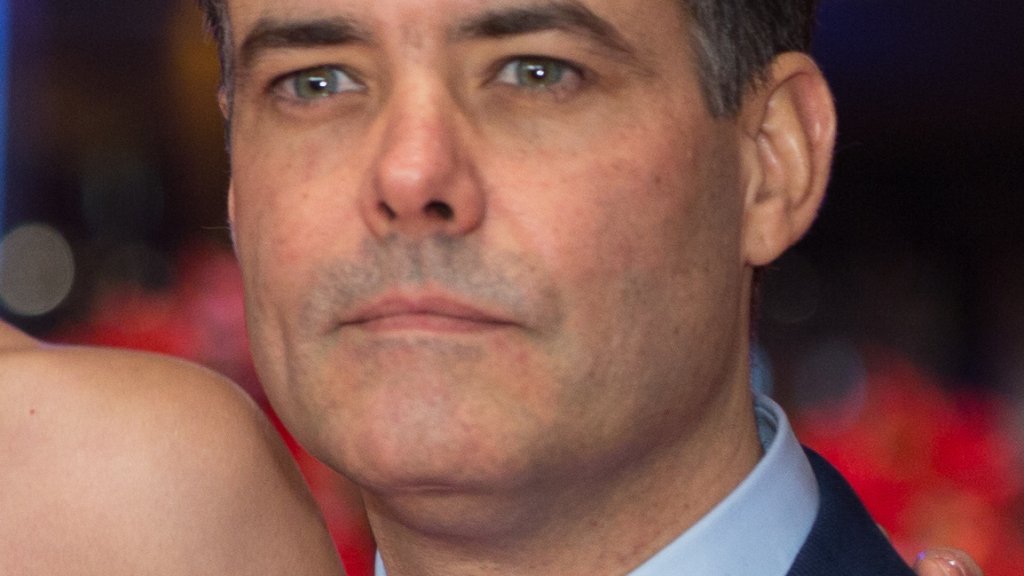
Sebastián Lelio has died at the age of 52. The Chilean director’s family announced the news on 6 November. No specific cause of death was given. With “A Fantastic Woman” and “Disobedience”, Lelio created two internationally acclaimed works of queer cinema.
In “A Fantastic Woman”, Daniela Vega plays Marina, a trans woman whose partner dies suddenly. Alongside her grief, she must deal with rejection by his family and other people’s interference in her life. The 2017 film won the Oscar for Best Foreign Language Film in 2018.
Love against religious expectations
Also released in 2017 was “Disobedience”, known in German as “Ungehorsam”. Rachel Weisz and Rachel McAdams play two women whose relationship clashes with the rules of an Orthodox Jewish community. Once again, Lelio tells the story of a character who wants to make her own decisions about intimacy and her life, while those around her impose limits.
The two films differ in setting and story. What they share is that their protagonists refuse to remain in the roles others have assigned to them. Lelio places their desire, grief and decisions at the centre, rather than defining them solely through the rejection they face from others.
From “Gloria” to international productions
Lelio was born in Mendoza, Argentina, in 1974 and grew up in Chile. He gained international attention in 2013 with “Gloria”. Its lead actress, Paulina García, won the Silver Bear at the Berlinale for her performance.
He later made “Gloria Bell” with Julianne Moore and “The Wonder” with Florence Pugh. According to published reports, he had most recently been working on an adaptation of Alejandro Zambra’s “Chilean Poet”. There is no confirmed information yet about the project’s future following his death.
The family asks for privacy
In their statement, Lelio’s relatives paid tribute to his contribution to Chilean culture and asked for privacy. They referred to health complications without elaborating. No further explanation for his death has been substantiated.
Lelio’s works remain part of a cinematic history in which queer characters are increasingly given perspectives of their own. For another look at this development, see the article on the Berlinale and Teddy as platforms for queer cinema (German).
Image credit: Martin Kraft, Sebastián Lelio at the Berlinale 2017, CC BY-SA 3.0. The cropped portrait published on Wikimedia Commons is used here.