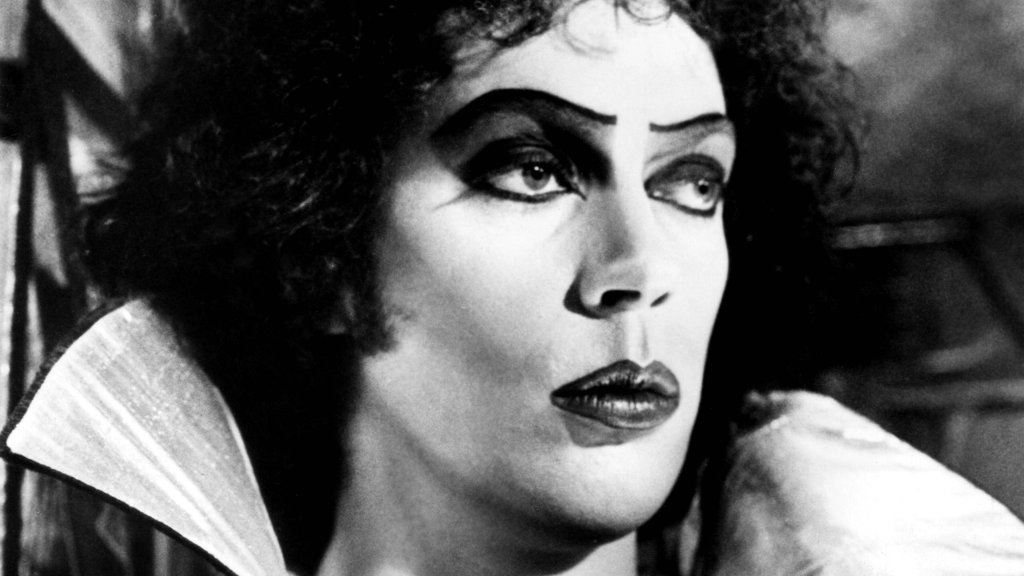
Actor Tim Curry deliberately kept his love life private – simply because it was nobody else's business. In his memoir "Vagabond", published in 2025, he makes it unequivocally clear that “matters of the heart or bedroom are – respectfully – nobody's damn business”. He had maintained this stance decades earlier: in an interview with The New Yorker, he said just as clearly: “My romantic life is nobody's business.” Curry became known worldwide as Dr. Frank N. Furter in "The Rocky Horror Picture Show". The role of the eccentric scientist in fishnet tights also earned him cult status in the queer community and prompted much speculation about his love life.
Key points at a glance
- Tim Curry died on 25 August 2026 at the age of 80, and nothing was known about his love life up to his death.
- Curry became known worldwide as Dr. Frank N. Furter in "The Rocky Horror Picture Show". The role of the eccentric scientist in fishnet tights also earned him cult status in the queer community.
- In his memoir "Vagabond", he stressed that details of his romantic relationships were not a matter for the public.
- As early as 1975, he expressed a similar view in an interview: “I don't talk about whom I love or whom I sleep with … If they're interested, then let them be interested.”
Personal privacy as a principle
Tim Curry consistently kept his love life under wraps. Even in the 1970s, he firmly rejected media enquiries about his relationships. He maintained this stance unwaveringly in his autobiography "Vagabond". In it, he writes that he had experienced love, heartbreak and everything in between – but saw no reason to share such experiences publicly.
Fame and self-protection
In conversations with The New Yorker, Curry explained that he rejected the part of show business that involved publicly exposing one's private life. In a conversation with CBS News, Curry said he considered it important to remain a mystery, and that he even actively cultivated this image.
A conclusion looking ahead
Tim Curry's decision to keep romantic details to himself was not a matter of chance, but an expression of a sense of self he had lived by for decades. On the day after his death, the public is no longer interested in rumours, but in his work. The next focus will surely be a critical appraisal of his memoir – and the enduring legacy of a self-assured artist who decided what he wanted to reveal about his life.