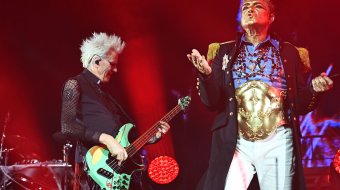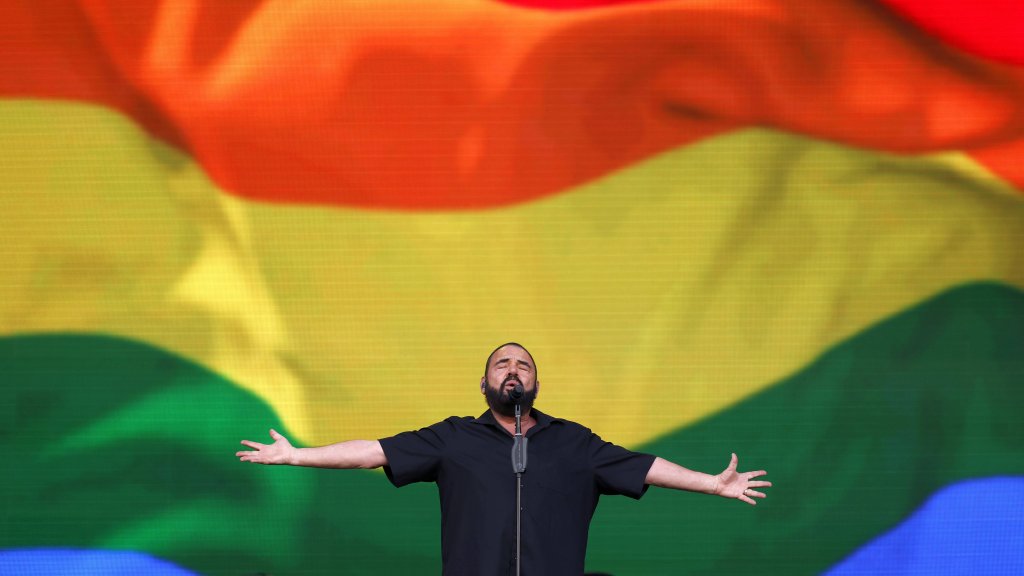
Alphaville have definitively cancelled their appearance at the Glücksgefühle festival, despite organiser Markus Krampe inviting the synth-pop band back following a public apology. According to the band, fronted by Marian Gold, the apology was not enough to clear the atmosphere created by the ban on political statements. Alphaville are thus sending a strong signal in the debate over freedom of expression at major events in Germany.
Key points at a glance
- Alphaville have declined the renewed invitation to perform at the Glücksgefühle festival.
- Organiser Markus Krampe had previously banned political statements from the stage.
- The band criticises restrictions on freedom of speech and artistic freedom.
- The fee for the cancelled performance will be donated.
- Alphaville have received strong public support from the music scene.
Band responds to organiser's rules on freedom of expression
The conflict was triggered by the organiser's explicit instruction to refrain from political statements at the festival. Freedom of expression and artistic freedom must not be restricted at any music event, Alphaville argue, citing Germany's Basic Law. The "gagging order" imposed in response to earlier criticism had created an atmosphere that had become unacceptable for the artists. Despite the organiser's subsequent apology and renewed invitation, the band is standing by its cancellation.
Public apology and renewed invitation have no effect
Markus Krampe, who organises the festival at the Hockenheimring together with Lukas Podolski, acknowledged mistakes in his handling of political expression following public protests. Speaking to the newspaper Bild, he invoked the importance of freedom of expression, asked Alphaville to return to the stage and reiterated that his festival should not become a political space. Alphaville explicitly rejected the invitation, however. The group explained that the original instruction had irreparably damaged the relationship of trust.
Implications for major media and music events
This once again raises the question across the media of how far organisers may go in requiring or prohibiting artists from taking a stance on social issues. According to Alphaville, the festival organiser's rule amounted to a diktat of the kind familiar “from authoritarian states”. The cancellation was widely welcomed in artistic circles. Against the backdrop of the public debate over shared political responsibility in pop culture, Alphaville's decision carries particular weight – especially as pop festivals in Germany generally stand for open debate.
Further practical consequences remain unclear
Alphaville have not yet announced which charitable organisation will receive the donation of their performance fee. What is clear, however, is that the cancellation and the handling of it continue to attract media attention. For future major events, the practical question is what guidelines should govern political expression and how organisers will respond to growing public pressure to take clear positions.