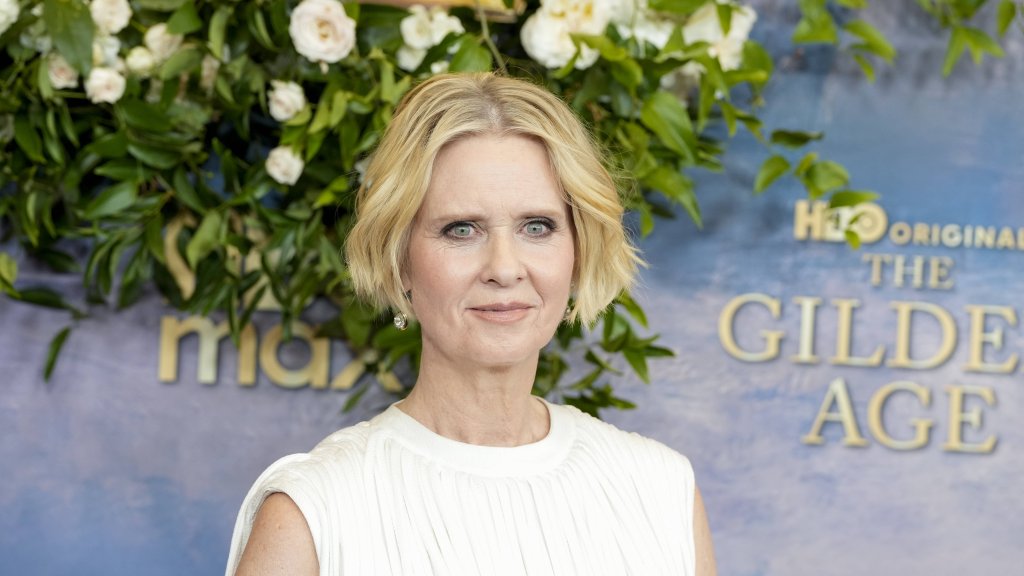
US actress Cynthia Nixon (German) has defended the controversial development of her character Miranda Hobbes in “And Just Like That” (German). In an interview with the New York Times, the 60-year-old explained that she had positively welcomed the sometimes fierce audience reactions to Miranda’s personal crisis and her awkward attempts to become more socially aware. The portrayal of a woman having to find a new direction later in life had drawn particular criticism from long-standing fans of the series.
Key points at a glance
- Criticism of Miranda: Cynthia Nixon defends the controversial development of her character Miranda Hobbes in the “Sex and the City” sequel “And Just Like That”.
- Welcoming viewers’ reactions: The actress said she thought it was wonderful that some fans were appalled by Miranda’s awkward attempts to become “woke”.
- Queer love story: Miranda’s relationship with non-binary comedian character Che Diaz, played by Sara Ramirez, sparked particular debate.
- Greater diversity: Nixon also wanted to use the sequel to address past shortcomings in the predominantly white original series.
- Unexpected ending: The actress said she was unprepared for the news that “And Just Like That” would not get a fourth series.
Nixon defends the storyline
Nixon had already played Miranda in the successful HBO series “Sex and the City”, which aired from 1998 to 2004. In the sequel “And Just Like That”, the once confident and quick-witted lawyer increasingly faces personal difficulties. Her marriage hits a crisis, she struggles with alcohol problems and she tries to engage with social change and new ideas about identity. The actress sees these uncomfortable developments as an important part of the sequel series. Nixon considers it narratively interesting that the character is no longer portrayed solely as a self-assured, sharp-tongued lawyer, but also experiences uncertainty and a loss of direction.
Speaking to the New York Times, Nixon specifically addressed the outrage that Miranda’s development had provoked among some viewers. She referred both to her character’s emotional problems and to her difficulties keeping pace with social change. Viewers had been “so appalled by Miranda’s sadness, her alcoholism and her awkward attempts to become a woke person at this advanced age”, Nixon said. Her response to this criticism was surprisingly positive: “I thought that was wonderful.” Many viewers, however, felt the new portrayal marked a clear break with the Miranda they knew from “Sex and the City”. While the lawyer was regarded as intelligent, independent and quick-witted in the original series, she often seemed insecure and overwhelmed in the sequel. Nevertheless, Nixon stands by the narrative decision.
Relationship with Che Diaz
Miranda’s relationship with Che Diaz was among the series’ biggest points of contention. The non-binary, queer comedian character was played by Sara Ramirez and was central to Miranda’s search for a new direction, particularly in the first series. The relationship led Miranda to leave her husband of many years, Steve Brady. For many fans, this was a particularly momentous step because Steve had been an important part of Miranda’s life since the second series of “Sex and the City”. The two had built a shared history over the course of the original series, which was fundamentally altered by the events of the sequel.
The love story between Miranda and Che sparked debate for reasons beyond the end of her marriage. Some viewers also criticised the portrayal of Che and the way Miranda responded to the new relationship. Among the questions raised were whether the character development was believable and whether the series dealt convincingly with social issues. In the interview, Nixon made clear that she did not necessarily regard such unease as a problem. Her vision for the sequel was precisely that it should not simply repeat the familiar stories of the original series, but allow for new conflicts and changes.
A sequel taking risks
The actress also explained why she had decided to return as Miranda Hobbes in the first place. The decisive factor, she said, was the prospect of taking a bolder narrative approach with “And Just Like That” and addressing themes that had played only a minor role in the original series. “I became convinced that we could do really interesting, daring things,” Nixon said. At the same time, she had seen it as an opportunity to address problematic aspects of the earlier production: “And that we could make amends for some of our past mistakes. The biggest of those was that the series was so overwhelmingly white.”
With this assessment, Nixon was referring to the lack of ethnic diversity in “Sex and the City”. Although the series was set in multicultural New York, its central characters were almost exclusively white. In Nixon’s view, the sequel was intended to reflect a broader social reality and give more space to perspectives that had previously been underrepresented. Confronting Miranda with new social questions and unfamiliar situations was part of that approach. However, it became clear shortly after the launch of “And Just Like That” that many viewers disliked the execution.
Early criticism and the end of the series
Criticism of Miranda’s behaviour has accompanied the sequel since its first series. As early as 2021, scenes in which the character appeared strikingly awkward when dealing with questions of ethnicity and social diversity drew negative reactions. Viewers complained at the time that the once astute lawyer had become a woman who could barely handle even simple social situations with confidence. The criticism was therefore directed not just at individual lines of dialogue, but at the character’s fundamental change of direction. Even then, Nixon stood by the scripts and defended the decision to show Miranda with uncomfortable and contradictory traits as well.
Alongside the criticism of Miranda, Nixon also spoke about the end of “And Just Like That”. The sequel was not continued after three series. A fourth series is not planned. As the actress explained, the decision came as a surprise to her. She had not expected to have to say goodbye to the production so soon. “I wasn’t prepared for it at all,” Nixon said. “Not at all.”