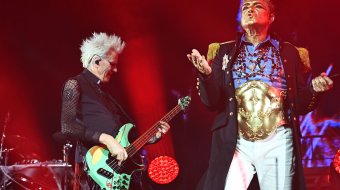
US musician Caleb Shomo, known as the frontman of Beartooth, has spoken publicly about severe homophobic reactions since he came out as gay earlier in the year and separated from his wife after a long marriage. Speaking on the podcast "The Breakdown", Shomo described facing rejection and overt homophobia when he began openly expressing his identity on stage as well. His comments cast a critical light on the continuing challenges facing queer artists in the music business.
Key points at a glance
- Caleb Shomo, Beartooth's singer, reports homophobia after coming out.
- Shomo separated from his wife after fourteen years of marriage and now lives openly as a gay man.
- He says he faces considerable resistance in the music business for his queer self-expression.
- Reactions from sections of the audience and the industry are taking a psychological and professional toll on Shomo.
- The discussion highlights the continuing discrimination against queer people in the international music industry.
Being open about his identity brings a backlash
In the released podcast, Caleb Shomo described being under enormous psychological pressure before coming out and only finding greater freedom in his artistic expression after going public. Since then, he has confidently presented himself on stage as a queer artist. According to Shomo, however, this met with “a lot of opposition and really, just a lot of homophobia”, particularly in the US rock and metal scene, as he explained. Choosing to express their identity openly in the spotlight remains a risky declaration for many queer musicians.
A challenge for fans, artists and the media
Shomo's experiences show that even international fame and an established fan base offer no guarantee of acceptance. The musician says the negative reactions are not isolated incidents but involve a noticeable section of the audience and the wider culture of commenting. He says he is trying to cope with the resulting psychological strain by focusing on his music and upcoming tours. These developments bring the role of the media into focus: they can give queer voices visibility, but rarely take responsibility when their platforms are used for hateful comments.
Media visibility offers no protection from hostility
From a media-analysis perspective, public life remains an ambivalent space for queer artists even in 2026. Shomo's coming out was covered by music media and celebrated as a step forward for visibility. At the same time, the reactions he describes demonstrate that openness about one's private life can still become a risk. The question of how safe queer artists are from hostility remains unresolved and is taking on renewed urgency.
Beartooth's next tour is scheduled for autumn 2026. Caleb Shomo says he intends to remain a visible member of the scene. Whether and how the media debate will affect venues, audience behaviour and the music industry remains the key open question for the coming months.