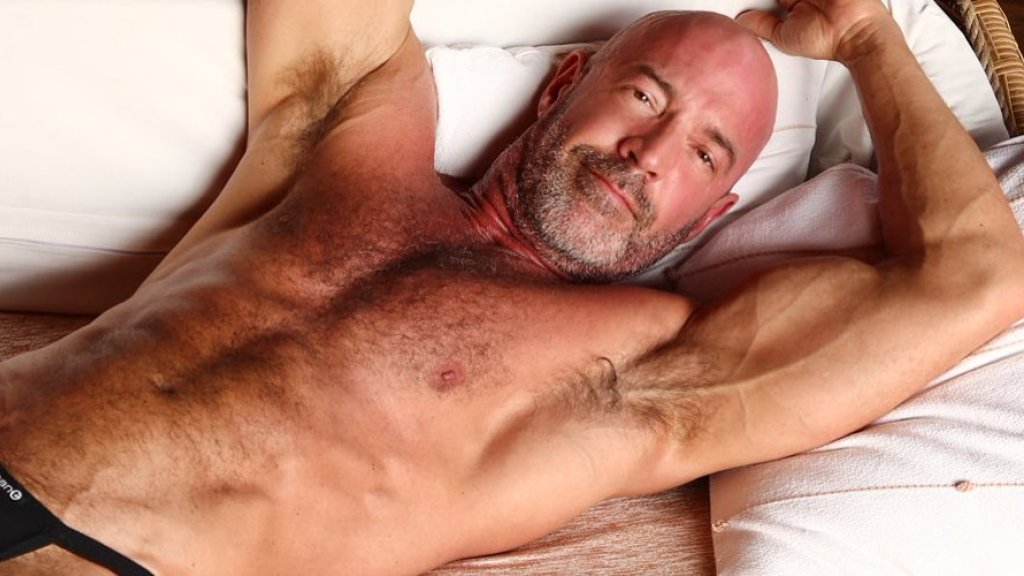
For around eight years, the face of gay porn performer Ace Banner has been misused in a large-scale online romance scam. Unknown individuals have created hundreds of fake profiles using his photos and defrauded men and women of substantial sums of money. According to Banner, losses now total around US$1.4 million. The actual figure could be significantly higher.
Key points at a glance
- Stolen identity: Criminals have been using photos of gay porn performer Ace Banner for hundreds of fake online profiles since 2018.
- Millions lost: According to Banner, people have lost a total of around US$1.4 million through the scam.
- Threats against an innocent man: Some victims believe the performer himself is the scammer and have threatened him, his family or themselves.
- Criticism of Facebook: Despite numerous reports, apparently only four fraudulent accounts had been deleted as of the latest update.
- Serious personal consequences: The years of identity misuse have taken a heavy toll on the performer and his husband. He refuses to withdraw from the internet.
A massive scam
The man behind the stage name Ace Banner is Hunter Bigham from the US state of Mississippi. His main job is as a sales manager in the furniture industry. Together with his husband, he publishes erotic content online under the names Ace Banner and Tyler Saint. A joint investigation by the Associated Press (AP) news agency and the investigative PBS programme “Frontline” now documents the consequences of years of identity theft for Bigham and numerous scam victims. Criminals use Bigham’s pictures to assume various identities. They tell their victims, for example, that they are a widowed petroleum geologist from Houston, a worker on a Scottish oil rig or a Spanish secret agent named John.
Through supposed romantic relationships, they gain their victims’ trust and persuade them to transfer money. Some of those affected have lost their entire savings. According to Bigham, the losses of around $1.4 million cover only those cases in which victims have contacted him personally. He first began publicly drawing attention to the misuse of his pictures in 2018. Now, he explains on Facebook: “Back then, I didn’t understand the scale of it yet. But over the years, it has become an enormous burden in my life and, to some extent, in the lives of my closest family members. The scams continue.”
Complaints to the FBI
Bigham accuses Facebook of failing to do enough to tackle the fake accounts. Although he had reported numerous profiles, he said the platform had repeatedly stated that they did not violate its community standards. As of last week, only four accounts had been removed. He said his complaints to the FBI had also been unsuccessful so far. The reactions of some scam victims were particularly distressing. Some believed Bigham himself had deceived them and threatened to harm him, his family or themselves.
At the height of the scam, he said, up to 15 victims a day contacted him. He had tried to reply to everyone and, particularly for people whose hopes of love had been dashed, to convey that they still deserved love. Bigham is calling for stricter rules for online platforms. “Please also help by reporting profiles you know are fraudulent, and put pressure on your politicians to push through changes that hold platforms accountable. We are all at risk,” he wrote.
No withdrawal from the internet
Friends and acquaintances advised Bigham to remove his photos and profiles from the internet entirely. But the openly gay man refuses to do so. He told AP that such a withdrawal would feel as though he had to hide his homosexuality again. “I know some of you will say, ‘Just delete your content.’ But it’s not that simple,” he wrote on Facebook. Bigham lives with his husband Johnny Martell Bigham in Tupelo, the birthplace of Elvis Presley. He is a father of three and recently celebrated his eleventh wedding anniversary with his husband. The couple display a rainbow flag at their home. Bigham grew up in a strictly religious Southern Baptist family in which homosexuality was considered a sin. He also underwent so-called conversion therapy intended to change his sexual orientation. Mississippi has no comprehensive statewide anti-discrimination laws protecting LGBTQ+ people in housing, employment and public accommodations.
The extent to which the misuse of his identity affects his private life also became clear in a conversation with Bigham’s husband. Johnny Martell Bigham said that Hunter checks messages from suspected scam victims first thing in the morning while still in their bed. “I really didn’t know until today how big this had become,” Johnny told AP, his voice trembling. “He keeps a lot to himself.” Hunter tried to reassure him. “I’m OK. I’ve just become kind of numb to it now,” he said, touching his husband’s arm. Through tears, Johnny recalled that Hunter used to laugh in his sleep sometimes. He had not heard that laughter for a long time. “I just want it to be over,” Hunter said.
Compassion for the victims
The investigation by AP and PBS shows that the misuse of other people’s photos for romance scams is not an isolated occurrence. A former FBI investigator and retired US Colonel Bryan Denny have also fallen victim to similar schemes. An organisation co-founded by Denny reported more than 3,000 fake profiles using his picture to Facebook. The initiative “Advocating Against Romance Scammers” also campaigned for a law, since passed, requiring dating apps to issue warnings about contact with people whose accounts have been suspended on suspicion of fraud. Despite the toll on his own life, Bigham feels compassion for those who have been defrauded. After his divorce from his children’s mother, he said, he himself had long doubted whether he would ever find a lasting romantic relationship. “I know what it’s like when, after coming out, you think you’ll never find love yourself, and then you finally find it – or at least think you’ve found it,” he said of the victims. “You would do anything in the world to protect it.”