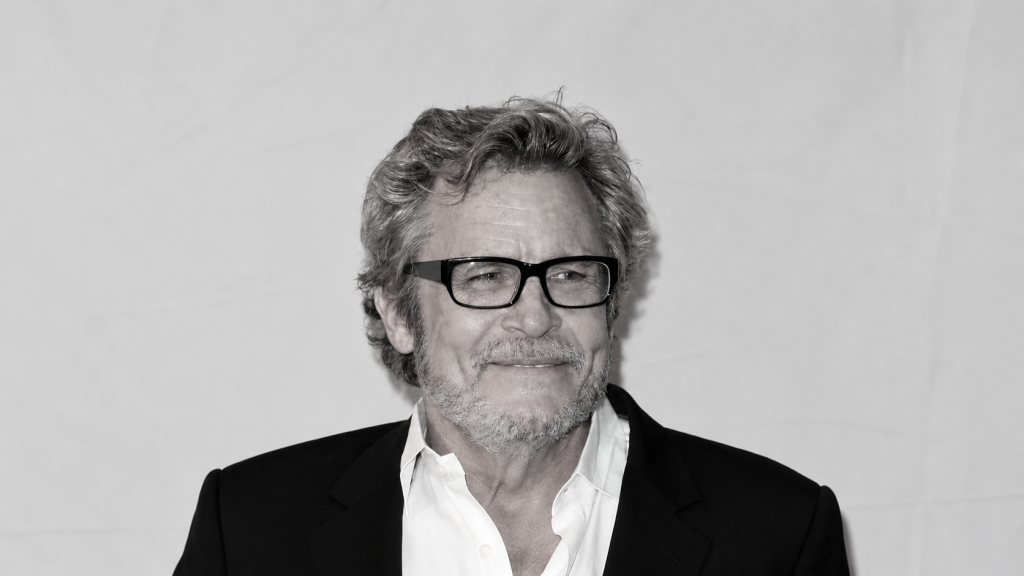
American actor, playwright and AIDS activist Michael Kearns has died. He died on 5 October at the age of 76. Kearns was regarded as a pioneer of gay visibility in the American entertainment industry. He was already living openly as a gay man in the 1970s and publicly disclosed his HIV status in 1991 – at a time when both could carry significant professional disadvantages for actors.
The key points at a glance
- Michael Kearns died on 5 October at the age of 76. His friend Tim Miller made his death public.
- Kearns was already living openly as a gay man in the 1970s, when doing so carried significant professional risks for actors.
- In 1991, he was among the first actors to publicly disclose that they were living with HIV.
- His screen credits included “The Waltons”, “Cheers”, “Body Double” and “Beverly Hills, 90210”.
- As a co-founder of Artists Confronting AIDS, he fought discrimination against people living with HIV.
- In the 1990s, he adopted his daughter Katherine as a single gay man living with HIV.
A partner in mourning
His death became known through performance artist Tim Miller, who had been friends with Kearns since 1984. Miller has now published a personal tribute on Facebook. “I am mourning my beloved Michael Kearns. Fighter, actor and AIDS activist. Big brother. Friend since 1984. A truly unique person. The world has become a little smaller now ... I love you, Michael.” Kearns is survived by his daughter Katherine, whom he adopted in the 1990s as a single gay man.
Michael Kearns was born on 8 January 1950 in St. Louis in the US state of Missouri. After training at the Goodman School of Drama in Chicago, he moved to Los Angeles in 1972 to work as an actor. He made his stage debut in “The Dirtiest Show in Town” by Tom Eyen, who later became known for the musical “Dreamgirls”. From early on, Kearns combined his theatre work with social and political issues and his advocacy for gay people. His first appearances in major television and film productions followed in the mid-1970s. In 1974, he appeared in the American family series “The Waltons”, and in 1977 he featured in the comedy film “The Kentucky Fried Movie”.
Nude photographs for publicity
Although Kearns worked regularly in film and television, theatre remained the focus of his artistic career. His productions often explored sexuality, social exclusion and political conflicts. His work received funding from organisations including the Brody Foundation and PEN Center USA West. An unusual episode in his career began in 1975. Using the pseudonym “Grant Tracy Saxon”, Kearns appeared in public as the supposed author of the book “The Happy Hustler”.
In fact, the writer Thom Racina had written the bestseller. Kearns, who was also working as a paid escort at the time, took on the role of the author for marketing purposes. This involved nude photographs and numerous television appearances. He temporarily took a break from performing in the play “Tubstrip” for the publicity campaign and appeared as a guest on programmes including the American talk show “Donahue”. According to reports, Kearns received ten per cent of the book’s revenue. “The Happy Hustler” is said to have sold around three million copies. He also performed on stage under the name Grant Tracy Saxon, including alongside gay porn performer Jack Wrangler in the play “Rusty”.
Sex worker and porn performer
What had initially been a role he played later developed into actual work as a sex worker. Kearns said that he used some of the money to fund his alcohol and drug use at the time. In the late 1970s, he also appeared in porn films. These included “L.A. Tool & Die” in 1979, with Richard Locke, Paul Baressi, Will Seagers and Casey Donovan. During this period, photographer Don Hanover also took nude photographs of Kearns that he later particularly valued. In a conversation with journalist Matthew Rettenmund, he recalled the pictures with humour: “My God. I feel like Gloria Swanson. To be honest, I can’t remember whether some of his photographs appeared in ‘Mandate’. I know they were published in a weekly newspaper in Provincetown. People have sent me some of his pictures to sign, and I have to say, they include some of the best photographs ever taken of me. Back then, we still had faces.”
Return to Hollywood
After overcoming his alcohol and drug problems, Kearns returned more frequently to conventional acting roles. In 1983, he made a guest appearance in the hit sitcom “Cheers”. That same year, he appeared alongside Joan Collins and Jon-Erik Hexum in the television film “Making of a Male Model”. In 1984, he played a porn performer in Brian De Palma’s thriller “Body Double”. Further television appearances followed in 1985 in “The Fall Guy”, “Murder, She Wrote”, “Crazy Like a Fox” and “Days of Our Lives”. In 1991, he also appeared in “Knots Landing”. Kearns continued his acting career after publicly disclosing his HIV status, increasingly taking on roles in productions that explored AIDS and the social consequences of the epidemic.
Publicly disclosing his HIV status
Kearns took an important step in 1991 when he publicly stated on the television programme “Entertainment Tonight” that he was HIV-positive. This made him one of the first working actors to disclose that they were living with HIV. At the time, HIV was still heavily stigmatised. For actors, such a disclosure could have a significant impact on their professional opportunities. Nevertheless, Kearns chose to be open and made the fight against discrimination against people living with HIV a central part of his work.
Together with playwright James Carroll Pickett, he founded the organisation Artists Confronting AIDS (ACA). He also supported PFLAG, an organisation that supports lesbians, gay men and their families. In 1992, he appeared in an AIDS-themed episode of the television series “Life Goes On” (known in German as “Alles Okay, Corky?”). A year later, he portrayed activist Cleve Jones in the television film “And the Band Played On” (released in German as “... und das Leben geht weiter”). In 1996, he appeared in the AIDS drama “It's My Party” and in three episodes of the teen series “Beverly Hills, 90210”.
Stereotypical portrayals of HIV
Although Kearns continued to receive roles, he later criticised Hollywood’s portrayal of people living with HIV. In his experience, such characters were often depicted as severely physically affected. Productions, he said, rarely acknowledged that people with HIV could also live without visible symptoms of illness. In a 2021 interview with the Los Angeles Blade, he said: “It was a new kind of cliché. They always had to make me look terrible. The more ghostly, the better. They couldn’t show an HIV-positive character who looked normal – the way I did when I arrived on set. Eventually, I’d had enough and refused to keep going along with it.”
Through his own theatre work, Kearns sought to convey a more nuanced picture of life with HIV and AIDS. His one-person shows “Intimacies” and “More Intimacies” became particularly well known. In them, he portrayed different people living with HIV, depicting their individual experiences and circumstances. The two productions rank among his most significant artistic works.
Writer, acting teacher and father
Alongside his film and theatre roles, Kearns wrote numerous plays and screenplays. He took his performances to international audiences. In 2012, he published his autobiography, “The Truth Is Bad Enough: What Became of the Happy Hustler?”. In it, he reflected on his career, his personal experiences and his life as an openly gay artist. He remained active on stage well into later life. In 2023, he presented “It Must Be Him: A Genderful Musical Memoir”, his 16th solo production. He also worked for many years as an acting teacher, passing on his experience to younger artists.
Over the decades, his artistic work was closely linked to his political activism. In particular, he explored questions of sexual identity, social acceptance and attitudes towards HIV. Kearns also made an unusual decision for the time in his private life. In the 1990s, he adopted his daughter Katherine as a single, openly gay man living with HIV. Given the widespread prejudice against gay parents and people with HIV at the time, the successful adoption was remarkable. Kearns later spoke publicly about his experiences as a father. A joint interview with his daughter was published in 2018, in which both offered insights into their family history. Katherine survives him.
A pioneer for gay actors
With Michael Kearns’s death, the American LGBTQ+ community has lost an artist who spoke openly about homosexuality and HIV at a time when doing so still carried significant risks in Hollywood. His activism went far beyond public declarations. Through his plays, his work with AIDS organisations and his appearances in film and television, he spent decades fighting social exclusion. Following Kearns’s death, his partner Tim Miller also remembered their mutual friend James Carroll Pickett. Alongside a photograph of the AIDS memorial floor at the Highways Performance Space & Gallery, he wrote: “This is Michael and me on the AIDS memorial floor at the Highways Performance Space & Gallery, where the name of our wonderful friend, the playwright James Carroll Pickett, is being commemorated once again. Michael and Jim are together again now.”








