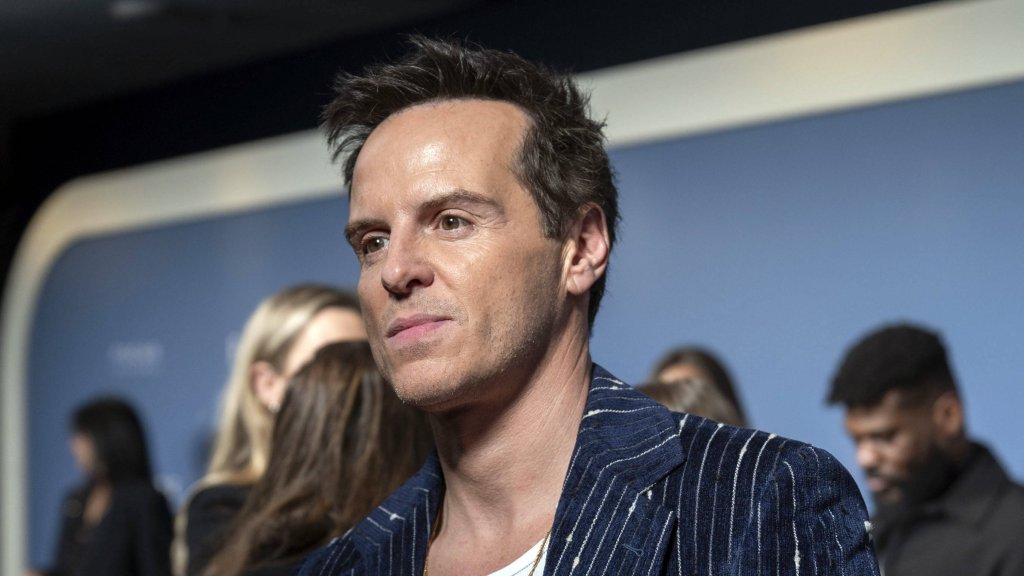
With his portrayal of gay actor Ian Charleson in the drama “Elsinore”, openly gay actor Andrew Scott (50) could achieve a historic success. If he wins the Oscar for Best Actor in 2027 for his performance, he would be the first openly gay man to receive the honour.
Key points at a glance
- Andrew Scott plays gay actor Ian Charleson, who died of AIDS-related complications, in the drama “Elsinore”.
- Film critics describe Scott’s performance as the best of the year.
- If Scott wins, he would be the first openly gay man to win an Oscar for Best Actor.
- By 2024, more than 80 Oscar nominations had gone to heterosexual actors for portraying LGBTQ+ characters. Around 19 per cent of these resulted in a win.
- An award for Scott could mark an important turning point in Hollywood’s treatment of gay actors and LGBTQ+ stories.
The year’s best performance
Several US film critics are now explicitly backing an award for Scott. They argue that his performance is not only the best of the year, but that a potential win would also set an important precedent for telling LGBTQ+ stories in Hollywood. At the Oscars, the best performance and the social or personal significance of an award have not always gone hand in hand. In the past, actors have sometimes received awards more in recognition of their body of work than for an outstanding individual performance. In Scott’s case, however, the two aspects would come together. “Elsinore” explores the final days of gay actor Ian Charleson’s life. It centres on his portrayal of Hamlet while already seriously ill, before he eventually died of AIDS-related complications.
According to the film critics, the restraint with which Scott portrays the physical and emotional effects of the illness is particularly impressive. Unlike many actors who deliberately appeal to the audience’s sympathy when playing seriously ill people, Scott avoids obvious attempts to move viewers to tears. He portrays the symptoms of pneumonia and the side effects of chemotherapy with painful intensity. In doing so, he sets aside all vanity, without being overly concerned about how these moments look on camera. At the same time, Scott manages to convey Charleson’s determination to play the role of his life despite his serious illness. The smallest changes in his facial expressions communicate an immense vulnerability.
Small gestures, big impact
Stephen Beresford’s comparatively restrained screenplay also plays to Scott’s acting strengths, critics say. While other actors more often rely on grand gestures, Scott knows that a glance can express more than a scream. This makes the scenes in which Charleson gives free rein to his emotions all the more powerful. A painful conversation with his parents is cited as an example. A growing number of critics now agree that Scott’s performance far surpasses those of other Oscar favourites, such as Matt Damon in “The Odyssey”. They also put him ahead of John Malkovich in “Wild Horse Nine”. They describe Scott as being at the height of his powers, delivering a performance that remains wholly faithful to the real person he portrays.
A historic opportunity
The particular significance of a potential Oscar win, however, lies not only in the fact that Scott could become the first openly gay man to receive the Best Actor award. What matters more is that he would win the trophy for portraying a gay man. For decades, it has primarily been heterosexual actors who have received film awards in Hollywood for portraying gay or other LGBTQ+ characters. An analysis published in 2024 found that, over the history of the Oscars, more than 80 nominations had gone to heterosexual actors for playing LGBTQ+ characters. Around 19 per cent of these nominations resulted in an award. LGBTQ+ actors themselves, by contrast, had gone almost entirely empty-handed.
Hollywood’s treatment of LGBTQ+ people
The way awards have been handed out to date sends a problematic message in many quarters. It is as though Hollywood has said: “We’ll take your stories as long as they are detached from your bodies,” one film critic goes on to explain. In doing so, the film industry ignores the fact that gay people’s stories are shaped by their own physical and personal experiences. In the case of people such as Ian Charleson, those stories were even paid for with their lives. An Oscar for Scott would therefore be an important first step towards correcting Hollywood’s exploitative treatment of the LGBTQ+ community.