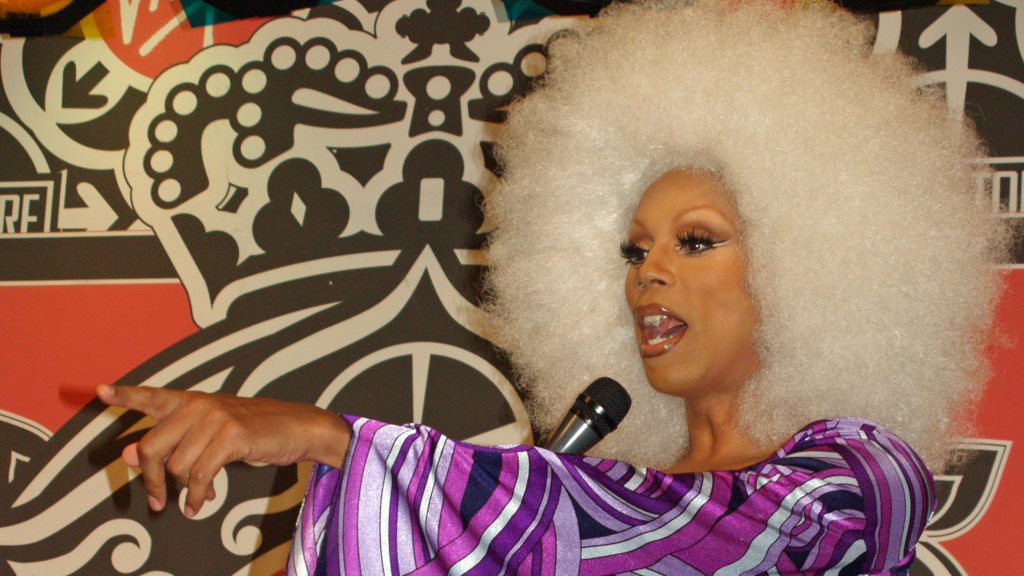
RuPaul turns 66 on 17 November. His journey from New York clubs to television screens also changed public perceptions of drag. In 1989, he danced in the video for “Love Shack” by the B-52’s. “Supermodel (You Better Work)” and the album “Supermodel of the World” brought him international recognition.
In 1994, RuPaul became the first face of MAC’s “Viva Glam”. The campaign raised money for people affected by HIV and AIDS. Since 2009, he has hosted and produced “RuPaul’s Drag Race”. The show combines transformation, comedy and competition, giving queens a stage for their art. In 2016, RuPaul received his first Emmy for hosting, followed in 2018 by a star on the Hollywood Walk of Fame.
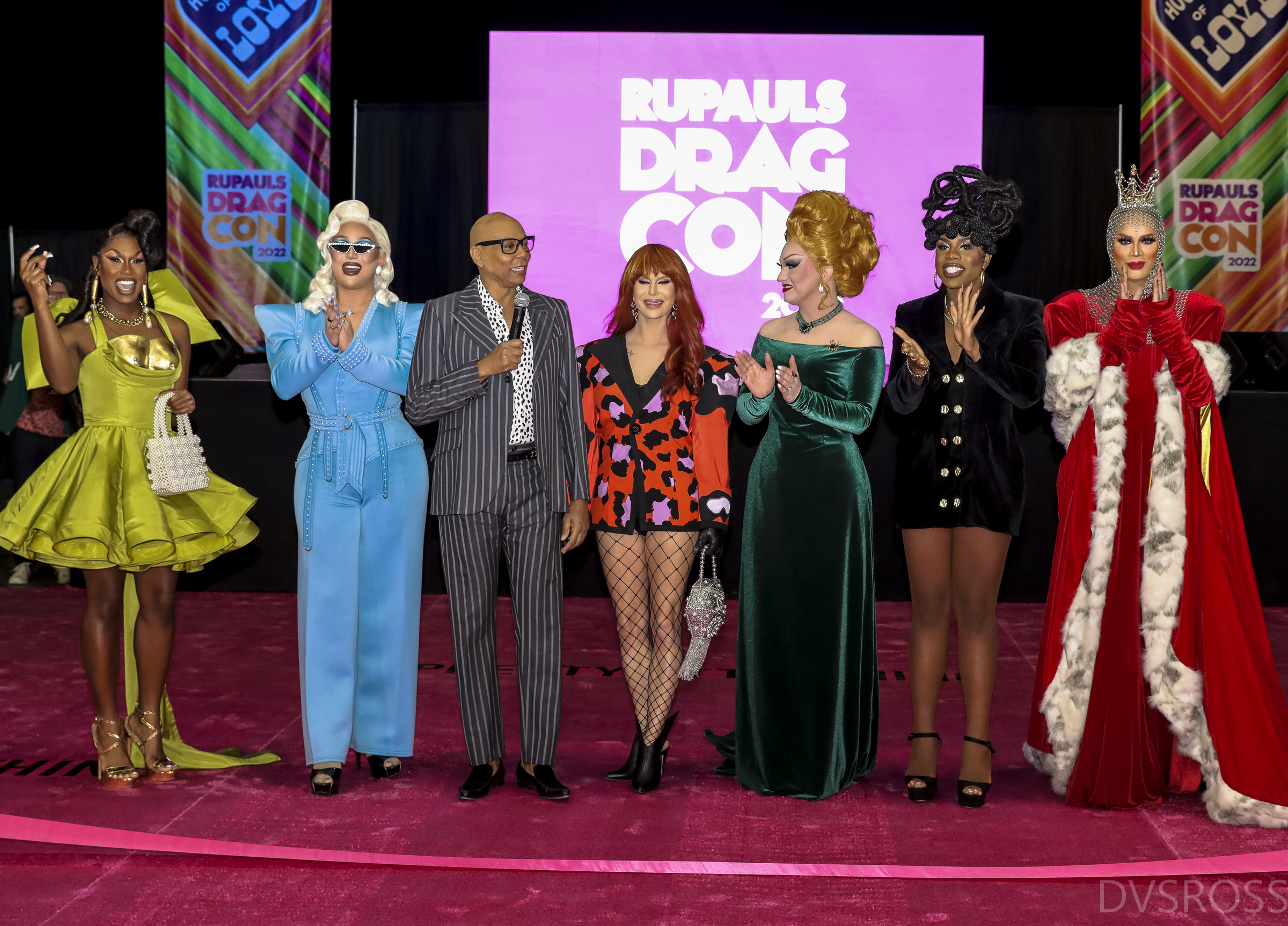
His book “The House of Hidden Meanings”, published in 2024, offers a personal perspective. In it, he writes about his youth in San Diego, his chosen family and his husband Georges LeBar. Behind the dazzling figure, we see someone who had to work to find his place. That is precisely what makes his story interesting beyond the glamour: his own performances gave rise to a stage on which others can tell their stories too.
RuPaul began exploring how such stories could find their way onto television early on. Long before his own competition, he appeared on “The American Music Show” in Atlanta. Speaking to “Good Morning America” in 2024, he recalled how straightforward that beginning had been: he wrote to the local programme, was invited to appear and put together a dance routine with friends. They also made costumes for it. According to him, the programme had no budget.
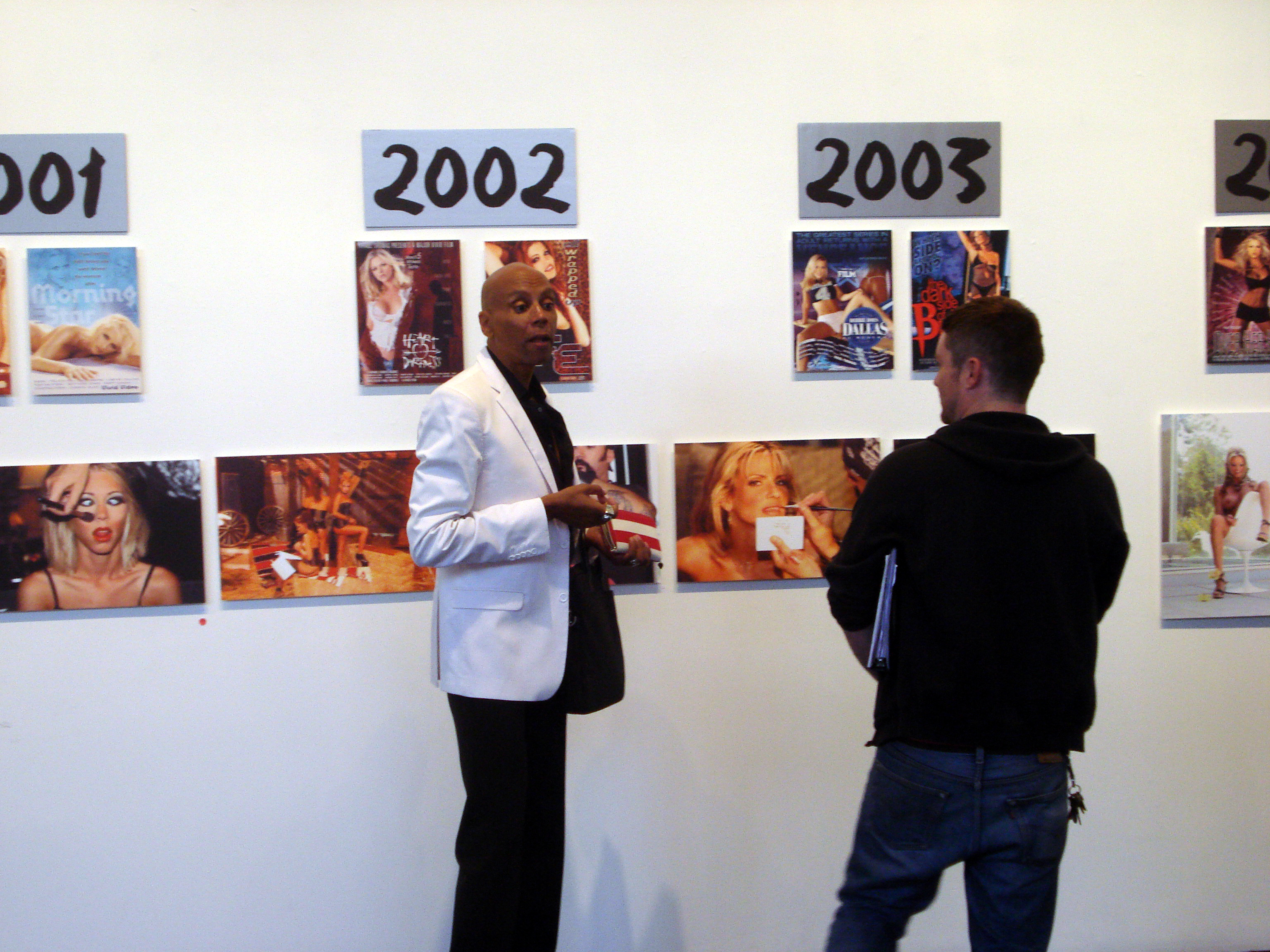
Today, contestants on his show need to bring far more than a polished performance. Behind the transformations lie craftsmanship, comedy and the work of developing a distinctive persona. Yet the programme remains a competition. Those who show individuality must also win over the judges. RuPaul encourages the queens and decides who goes through. The tension between artistic freedom and the rules of an entertainment show gives the format its drama. In 2026, he was again nominated by the Television Academy for his hosting.
In the 2024 interview, he also described how self-confidence has a history. He spoke about his difficult relationship with his father and how therapy helped him work through childhood hurt. This adds to our understanding of an artist whose public persona conveys such control. The transformation in front of the camera is visible; what people need to forge their own path often only becomes clear through their deeply personal memories and stories.