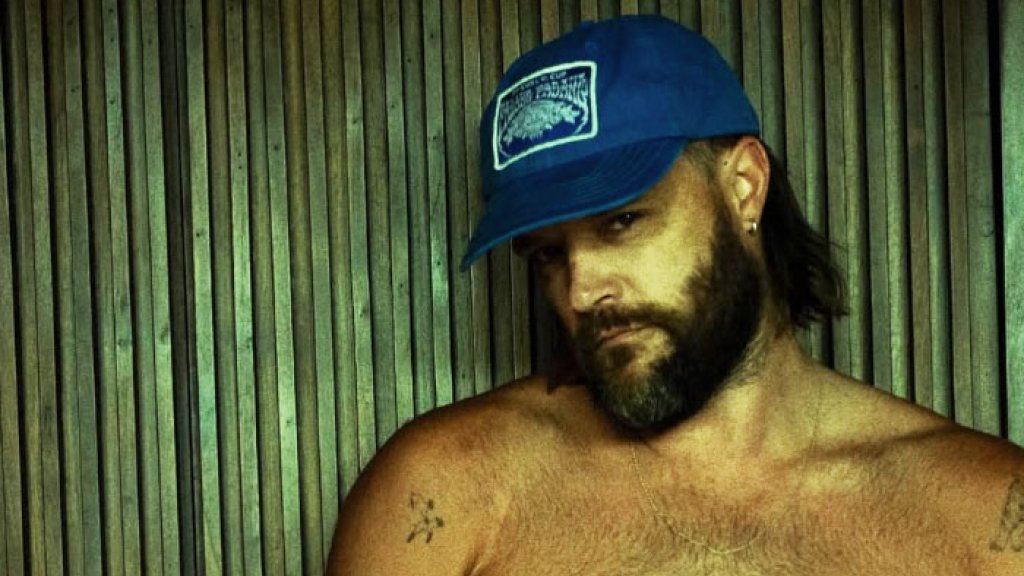
Australian rules footballer Mitch Brown, one of the few professional athletes who openly identify as bisexual, has spoken publicly about his experiences of toxic masculinity in the Australian Football League to mark Bi Visibility Month in September. In an Instagram campaign that attracted considerable attention, Brown stressed that outdated ideas of masculinity remain widespread even in elite sport, and explained which stereotypical roles he himself had to shed.
Key points at a glance
- Mitch Brown, a professional Australian rules footballer, speaks publicly about his own experiences of toxic masculinity.
- The AFL had no openly gay or bisexual player until Brown came out in 2025.
- Homophobic incidents in professional Australian rules football continue despite public debate.
- Brown reports ongoing bi erasure, even in his private life.
- By speaking out, Brown puts a personal face to the problem and makes it visible to younger generations.
Ideas of masculinity and discrimination in the AFL
According to several Australian media outlets, Mitch Brown addressed his fans and followers directly on Instagram. He describes how, even during his school years, “gay” was treated as a synonym for weakness, and how social pressure contributes to many young men not showing their feelings openly. The Australian Football League is one of the country's top leagues for physically demanding sport, but is also characterised by a particularly pronounced “macho culture”. According to Brown, teammates and those around them often reinforce discriminatory messages. Brown says an incident in which a teammate declared that he would rather “get into a cage with lions than shower next to a gay man” exemplifies the atmosphere in parts of professional sport.
Homophobic incidents persist despite visibility
As the website Outsports documents, homophobic incidents within the league continued even after Brown came out. According to its research, the AFL recorded ten publicly reported cases in the last two years alone in which players or officials made anti-gay remarks. Brown also describes how discrimination is not confined to the pitch. At a concert, he says, a woman asked him to “prove” his bisexuality. This highlights the problem of so-called bi erasure, which renders bisexual identities invisible – an issue that studies suggest particularly affects men.
Fresh impetus for younger generations in sport
Through his public statements, Brown wants above all to encourage younger people to move beyond narrowly defined roles. He cites authenticity and openness as signs of real strength. His central concern is that love and friendship between men should not have to be associated with weakness or even a flaw. Through his example, Brown shows that the public visibility of bisexual athletes can have a practical impact on acceptance both on and off the pitch.
According to media reports, the Australian Football League has responded to the criticism by stepping up its evaluation of anti-discrimination training in the professional game. However, no binding plan to tackle homophobia has yet been published.