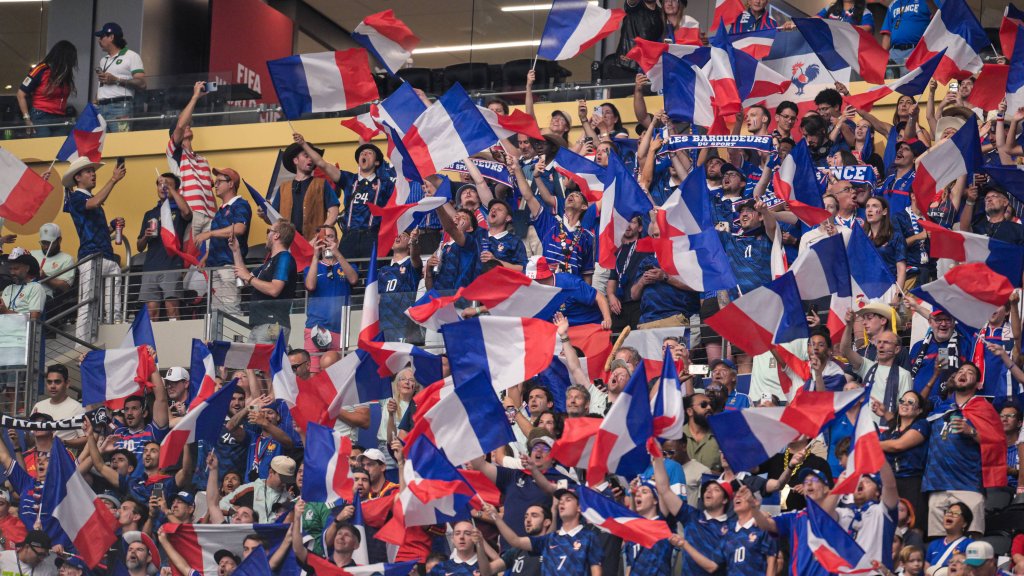
The 2026 football World Cup made headlines not only on the pitch. Away from the stadiums, players faced a massive wave of hatred and discrimination on social media. The French national team was hit particularly hard, according to a new analysis by football's world governing body FIFA.
Key points at a glance
- The French national team received more than 18,000 abusive messages during the 2026 football World Cup. According to FIFA, no other team faced more homophobic abuse.
- Massive increase: FIFA recorded a total of 240,000 messages confirmed as abusive. The governing body says this is eleven times the figure for the 2022 men's World Cup in Qatar.
- More than 17.1 million social media posts relating to the tournament were analysed. Of the abuse recorded, 20 per cent was racist and seven per cent homophobic.
- One player particularly targeted: An unnamed footballer received more than 10,000 hate messages. He was also the player most affected by homophobic and sexist attacks.
- AI to protect players: FIFA uses software called “Threat Matrix” to filter out discriminatory posts. More than 100 cases were also identified as potentially providing grounds for legal action.
France faces widespread hate
According to the analysis, more than 18,000 abusive and discriminatory messages targeting French players were recorded. This made France the tournament's most targeted team across all platforms examined. No other national team faced as many homophobic attacks either. The findings come from the Social Media Protection Service (SMPS), through which FIFA aims to protect footballers from online hate. FIFA states in its report: “French players were the most targeted team across all platforms, with more than 18,000 instances of abuse and hostility.” The attacks were by no means limited to homophobic remarks. Racist abuse also played a central role. “Racism (33 per cent) was the largest category alongside general abuse. France was also the nation targeted by the most homophobic abuse,” the analysis states.
240,000 hate messages
The scale of the online abuse becomes particularly clear when looking at the overall figures. For the study, FIFA's protection service analysed more than 17.1 million posts published in connection with the World Cup. Technical systems were used to identify potentially abusive content, which was then assessed by human reviewers. In total, the analysts confirmed 240,000 messages as abusive or discriminatory. According to FIFA, this represents an elevenfold increase compared with the 2022 men's football World Cup in Qatar. The study also shows which forms of discrimination were particularly common.
According to the findings, 20 per cent of the abusive posts recorded contained racist content. Seven per cent were classified as homophobic. Homophobic attacks did not consist solely of direct abuse based on someone's actual or perceived sexual orientation. FIFA describes the content in question as “homophobic slurs and sexualised language frequently used to insult or mock individuals”. This makes clear that homophobic terms continue to be used in football as a way of demeaning players, regardless of whether those targeted are themselves gay.
Player received 10,000 attacks
Another finding in the report is particularly disturbing. One footballer was targeted with more than 10,000 abusive messages during the tournament. FIFA does not name him. According to the analysis, he was also the player most affected by homophobic and sexist attacks. A significant proportion of the online abuse was therefore concentrated on one person. The published summary does not explain why this particular footballer was targeted so frequently. FIFA also provides no further details about his nationality or possible triggers for the wave of hate. The figures nevertheless show how intensely discriminatory comments surrounding major sporting events can target individual players.
AI to intercept hate comments
To provide footballers with greater protection against such attacks in future, FIFA is relying on its Social Media Protection Service. At the heart of the system is AI-powered software called “Threat Matrix”. It scans social media posts for abusive and discriminatory content. The aim is to filter out potentially abusive messages before they reach the players concerned wherever possible. However, the protection service is not just intended to detect and hide hate comments. FIFA says it also collects evidence that could be used in potential criminal investigations.
Football's world governing body explained: “As the SMPS continues to develop, the service also collects evidence for law enforcement agencies. More than 100 cases have already been identified that meet the legal requirements for preparing investigation files for potential legal action against those responsible.” Some attacks could therefore have legal consequences beyond the deletion or hiding of individual posts. However, the published information does not indicate whether, or to what extent, investigations have actually been launched.
Abuse at the Women's World Cup
It is not new that online hate poses a serious problem for international football. A study following the 2023 Women's World Cup had already documented substantial numbers of discriminatory messages. At the time, almost 22 per cent of the players monitored were affected by hate comments. The composition of the attacks was particularly striking: sexist, sexualised and homophobic remarks together accounted for almost half of all abusive posts detected. The latest figures from the 2026 men's World Cup now show a further worsening of the problem.








