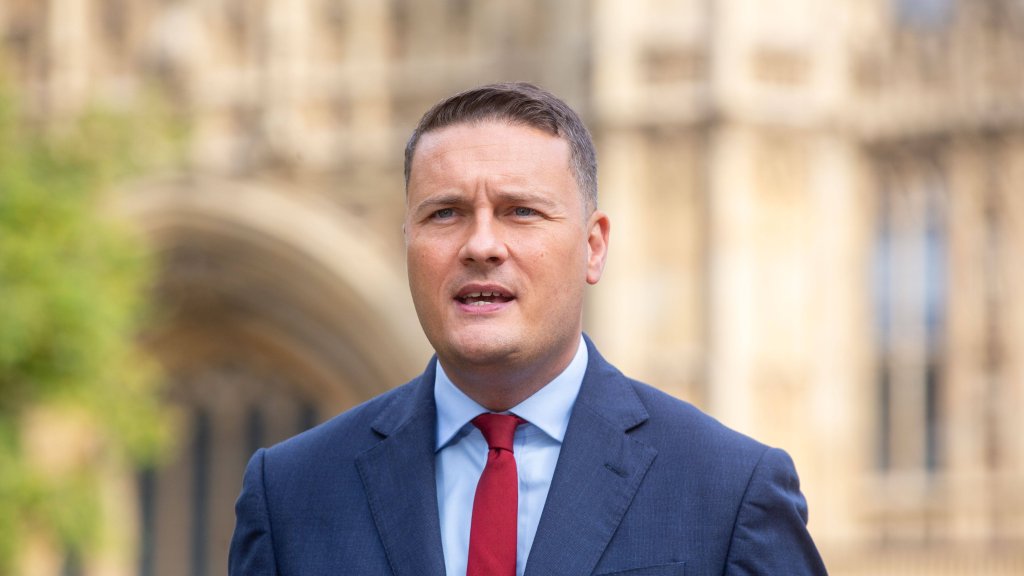
British Defence Secretary Wes Streeting (43) (German) has spoken about the homophobic hostility he has faced online since taking office. He described an “incredible level” of abuse
The key points at a glance
- Defence Secretary Wes Streeting reports an “incredible level” of homophobic hostility online.
- The openly gay politician has been Britain’s Defence Secretary since 20 July.
- Streeting says some people cannot accept the idea of a gay man leading the Ministry of Defence.
- His appointment has particular symbolic significance in light of the former “gay ban” in the British armed forces.
- The ban on gay people was in place from the 1950s until 2000.
- Streeting was previously Health Secretary and was a controversial figure within the LGBTQ+ community, partly because of policies on puberty blockers.
Defence in gay hands
Streeting, who is openly gay, was appointed to Andy Burnham’s cabinet (German) on 20 July. This followed Keir Starmer’s resignation. His appointment as Defence Secretary makes Streeting one of three openly gay ministers in the new government. Speaking at an event during the Edinburgh Fringe, Streeting said he felt that some people “cannot cope with the idea” of a gay man leading Britain’s Ministry of Defence. At the same time, Streeting emphasised the historic significance of his appointment. Within just a few decades, Britain’s treatment of LGBTQ+ people in the armed forces had changed fundamentally.
“I am proud that, in my lifetime, we have moved from the attitude that gay people cannot serve in the military to having a gay Defence Secretary,” he told ITV News. Streeting also spoke about a gay colleague at the Ministry of Defence. During his first week in office, the colleague had told him that Britain having an openly gay Defence Secretary for the first time meant a great deal to people who remembered those “bad old days”.
The appointment’s particular symbolism
The British military introduced a so-called “gay ban” in the 1950s (German). It remained in place until 2000. It excluded openly gay people from serving in the British armed forces. The policy had significant consequences for several generations of gay and lesbian military personnel. Those affected were dismissed, investigated or discriminated against because of their sexual orientation, among other things. The Ministry of Defence later officially acknowledged the harm caused by the ban. The LGBT Financial Recognition Scheme was also established. It is intended to support gay former members of the armed forces who were affected by the policy at the time.
Streeting’s appointment therefore has a particular symbolic dimension. Just 26 years after the ban was lifted, an openly gay man is leading the ministry responsible for the British armed forces. The department’s responsibilities include national security policy, military operations and Britain’s nuclear deterrent.
Time as Health Secretary
Streeting previously served as Health Secretary under Starmer for almost two years. He left Starmer’s government in May after declaring that he had lost confidence in his leadership. During his time as Health Secretary, Streeting was something of a controversial figure within the LGBTQ+ community. The British government’s restrictions on the use of puberty blockers for trans young people under 18 drew particular criticism. Streeting has since successfully completed his first visit to Ukraine as Defence Secretary.








