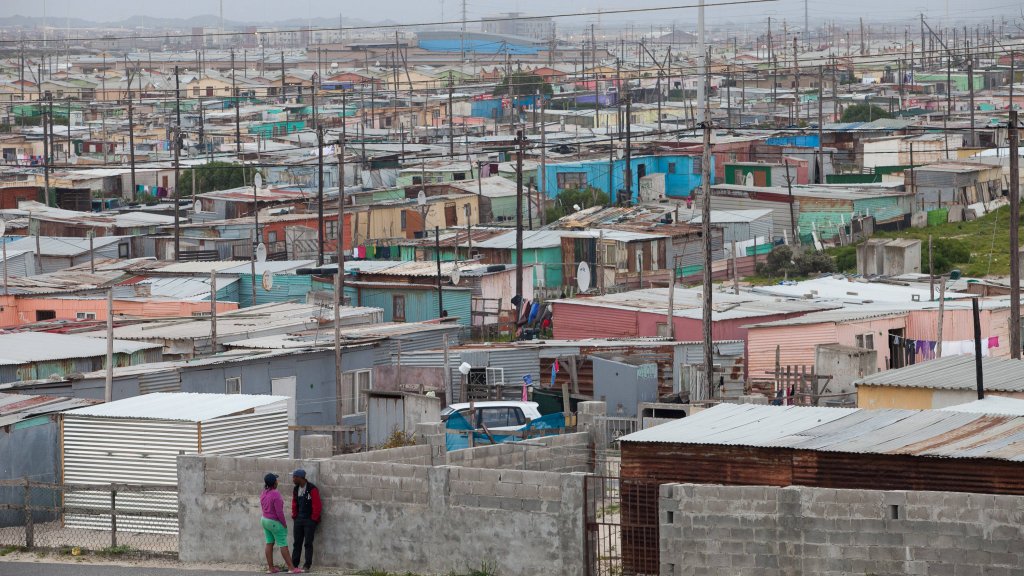
A specialist sexual offences court was officially inaugurated in Khayelitsha, South Africa, on 25 November 2026. Deputy Minister of Justice Andries Nel described safeguards for witnesses in his inauguration speech. According to Nel, the formal designation as a Sexual Offences Court had already taken place on 17 October 2025.
Key points at a glance
- The inauguration took place on 25 November 2026, following the formal designation in 2025.
- Nel explicitly called for action against anti-LGBTQ+ violence and discrimination too.
- Particularly vulnerable witnesses can testify by video with permission.
- According to Nel, the Thuthuzela centre in Khayelitsha is open around the clock.
Nel includes anti-LGBTQ+ violence
Nel spoke out against prejudice, discrimination and violence based on sexual orientation, gender identity, gender expression and sex characteristics. He said men and boys had a particular responsibility to challenge patriarchal attitudes and behaviour that contributed to violence against women and children. He placed his call for action against anti-LGBTQ+ violence in the same context.
Nel described support from prosecution service staff to help witnesses prepare for proceedings: they explained court procedures and the roles of court personnel. Intermediaries relayed questions and statements from the court sensitively and in an age-appropriate manner.
Protected spaces for testimony and waiting
Separate testimony rooms with video links enabled particularly vulnerable witnesses to testify without being in the immediate presence of the accused, Nel explained. This required the appropriate permission. Protected, age-appropriate waiting areas for adults and children were intended to prevent encounters with accused persons. The model he described provided for separate entrances and dedicated toilet facilities where space permitted.
Case backlogs remain a challenge
According to Nel, the measures were intended to reduce the additional distress caused by proceedings and make it easier for witnesses to give evidence. The right of accused persons to a fair trial had to be upheld. He also called for delays and backlogs in sexual offences proceedings to be addressed. Repeated adjournments could place a considerable burden on those affected and their families. Tackling this required cooperation between the police, forensic services, prosecution service, judiciary and court administration.
Nel cited the Thuthuzela centres as another source of support. There, medical treatment, forensic examinations and counselling were coordinated with assistance from the police and prosecution services. He said the centre in Khayelitsha was open 24 hours a day, every day.








