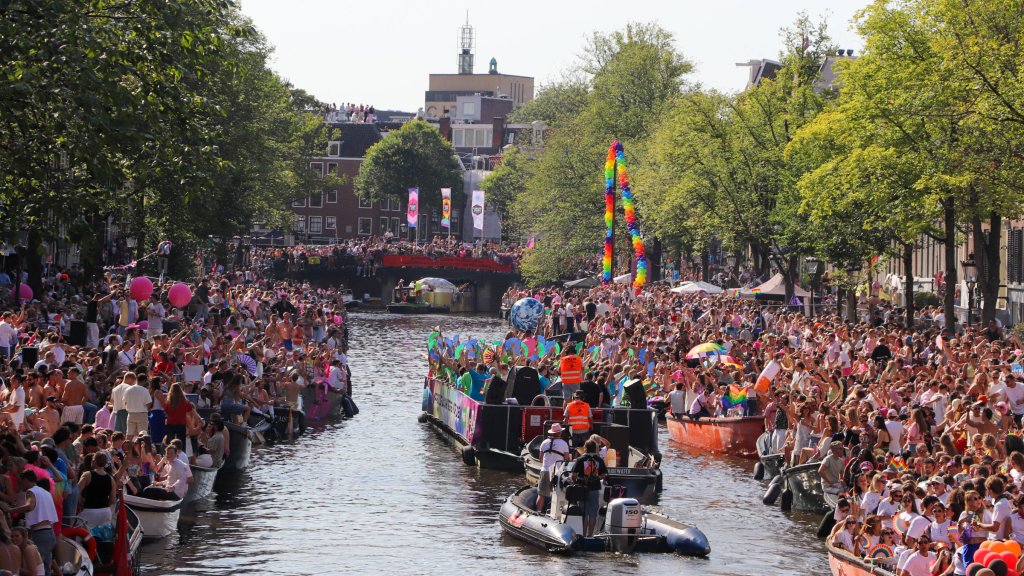
World Pride celebrations in Amsterdam have been accompanied by numerous further anti-LGBTQ+ and homophobic incidents. More than 70 attacks were reported on the first weekend alone (German), while on the second main weekend of the event, the police network responsible received more than 170 reports of discrimination and violence against LGBTQ+ people.
Key points at a glance
- More than 170 reports of discrimination and violence were received during the second World Pride weekend in Amsterdam.
- In total, more than 270 homophobic and anti-LGBTQ+ incidents were recorded across the event's two main weekends.
- The reports were received by RITA, the network within the Dutch police responsible for the LGBTQ+ community.
- The incidents ranged from insults and threats to physical attacks and property damage.
- Police believe the actual number of attacks could be higher because many cases go unreported.
Numerous attacks during World Pride
The reports were recorded by RITA (Roze in Blauw & Transgender Netwerk Politie). The network is the official point of contact within the Dutch police for the LGBTQ+ community. Together with the roughly 100 reports received previously, this brought the total number of incidents recorded during the two main World Pride weekends to more than 270. According to a RITA spokesperson, the reports reveal a broad spectrum of hostility. This reportedly included verbal attacks, such as homophobic insults, as well as intimidation and threats.
Physical assaults were also reported. These included cases of people being spat at, as well as direct attacks on individuals. Police also recorded thefts and damage to personal property. In one case, a rainbow flag was reportedly snatched from someone's hand. The incidents were not confined to particular areas of the city. According to RITA, they occurred at various locations across Amsterdam, including on public transport, in the city centre and near official World Pride venues.
Police urge people to report incidents
Police point out that the published figures probably reflect only a proportion of the actual incidents. Many cases of discrimination or harassment reportedly go unreported because those affected consider them insufficiently serious or doubt whether reporting them to the police would make a difference. According to the study by the European Union Agency for Fundamental Rights, only ten per cent of attacks are recorded. “Every report counts,” a police representative said. “It helps us build a more accurate picture of the problems and the places where they occur. Even if an incident seems minor, reporting it contributes to the community's safety and helps hold perpetrators accountable.”
RITA says it is continuing to work to lower the barriers to reporting incidents. The aim is to encourage more of those affected to contact the authorities. Police are currently processing and investigating all of the more than 170 reports from the second weekend. In the network's assessment, the high number of recorded incidents shows that the safety and social acceptance of LGBTQ+ people cannot be taken for granted, even at major events celebrating diversity. The incidents also highlight the importance of support systems, vigilance and the ongoing work of community networks such as RITA.








