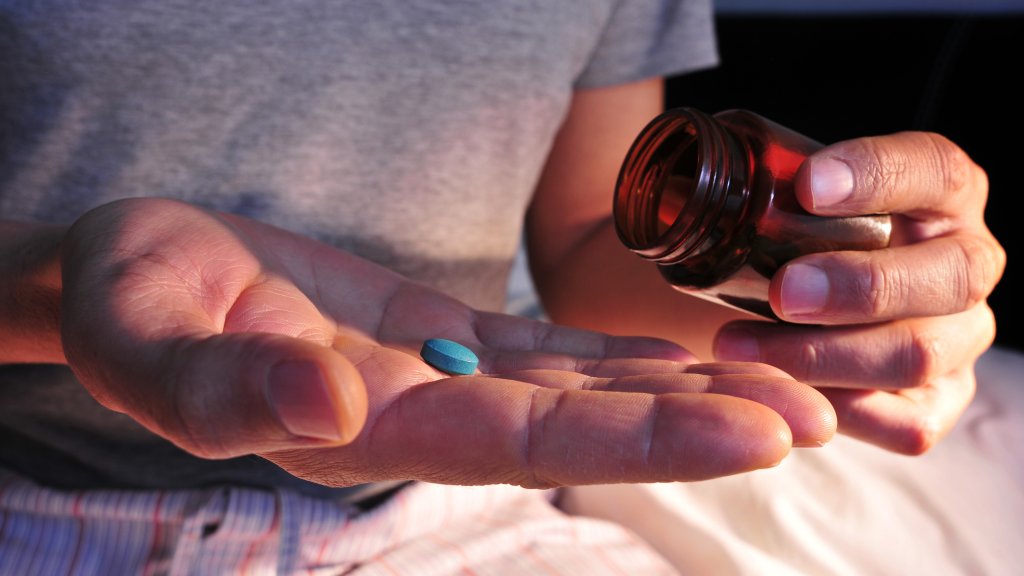
Scientists at Tel Aviv University have found evidence of a possible new use for sildenafil, the active ingredient known under the brand name “Viagra” for treating erectile dysfunction. The researchers believe sildenafil could help limit the spread of cancer in the body.
Key points at a glance
- Scientists at Tel Aviv University are investigating a possible new use for sildenafil, the active ingredient in Viagra.
- The drug could potentially prevent cancer cells from spreading through the body.
- Central to this is the role of cholesterol, which cancer cells need to form metastases.
- The research is still at an early stage and is not yet based on randomised trials.
- Experts highlight potential opportunities but warn against uncontrolled use of erectile dysfunction medication.
Viagra could slow cancer
The possible effect is said to relate to how cancer cells use cholesterol. This plays an important role in enabling cancer cells to break away from the original tumour, travel through the body and invade other organs. The US National Cancer Institute published information about the research on the platform X last weekend. The study was conducted in early 2026 and has now been published. “Cholesterol is particularly important for cancer cells that break away from the primary tumour, travel through the body and invade distant organs,” the researchers explained. Restricting cancer cells’ access to cholesterol could therefore make them less able to “form metastases”. This process describes the spread of cancer cells from their original site to other parts of the body through the bloodstream.
Early results offer hope
The scientists stress that the research is still at an early stage. Nevertheless, they say the findings so far are promising. “The combination could not only limit cancer cells’ access to existing cholesterol, but also prevent them from producing new cholesterol. This could potentially enhance the anti-metastatic effect,” the study continues.
The results attracted considerable attention on social media. Referring to cuts in US healthcare spending, one user wrote tongue-in-cheek: “The one potential cancer drug whose research the Republicans won’t cut. Touché.” Scientists, however, urge caution. One researcher pointed out on X that the investigations to date had not been randomised trials. “Many findings like these do not stand up to scrutiny when you finally test them,” he wrote.
A look at the gay community
Despite the unanswered questions, experts see reason to continue investigating possible additional uses for erectile dysfunction medication. This comes as other classes of drugs, such as GLP-1 medications – commonly known as weight-loss injections (German) – are increasingly being linked to various health effects. The use of erectile dysfunction medication is also being discussed within the gay community. Many gay men report using such drugs to offset sexual side effects of antidepressants, which can make it harder to get an erection or affect orgasm.
Urologists recently told US media that gay men could be more likely to experience erectile problems for various reasons. These included factors such as having a greater number of sexual partners. With growing acceptance of medications such as PrEP and DoxyPEP for HIV and STI prevention respectively, many believe it is time to speak more openly about erectile dysfunction medication too.
Stronger erections for gay men
There is little scientific evidence that gay men take such medication more often than heterosexual men. However, the assumption is considered plausible. Dr Philip Cheng, head of urology at Reproductive Medicine Associates of New Jersey and Peak Men’s Health, said: “Gay men are generally more likely to use treatments to enhance sexual performance.” He added: “Many of my younger gay patients ask about ED medications such as Viagra, Cialis or similar drugs – and it is more about enhancing performance. They do not have serious problems. They want to achieve stronger erections with these medications.”
Experts also point to potential risks. A 2021 study concluded that younger men could develop a “psychological dependence” on erectile dysfunction medication when it is used without medical need. If further studies confirm the effect, sildenafil could play an additional role in medicine in future. Until then, its possible use against cancer remains a subject of further research.








