A brutal attack on five 14-year-old girls has sparked outrage in the Spanish municipality of Benialí. According to the investigation so far, three young men aged 16 and 17 allegedly insulted and physically attacked the girls during local festivities, apparently motivated by homophobia – two of the girls are lesbians. The Guardia Civil is investigating the incident.
Key points at a glance
- Five 14-year-old girls were brutally attacked by three teenagers at a village festival in the province of Alicante.
- The girls were also repeatedly subjected to homophobic insults.
- The Guardia Civil is investigating; the three alleged attackers are also minors.
- More than 200 people subsequently demonstrated against the attack in the municipality.
- Spain's Equality Minister Ana Redondo condemned the attack and described it as lesbophobia.
Escalation after displays of affection
The incident was reportedly triggered by two of the girls being lesbians and allegedly having “exchanged displays of affection” during the festival. The teenagers then allegedly hurled abuse at the girls, using the words “maricona” and “bollera”. These Spanish terms are homophobic slurs: “maricona” roughly means “faggot”, while “bollera” is a derogatory term for a lesbian woman that targets her genitals. Eventually, an otherwise uninvolved festivalgoer intervened to calm the situation. After he had left the scene, the brutal attack allegedly took place. The youth mob reportedly beat the five friends, who suffered moderately severe injuries to their faces and the rest of their bodies. The victims subsequently reported the attack to the Guardia Civil with their families.
Solidarity in the municipality
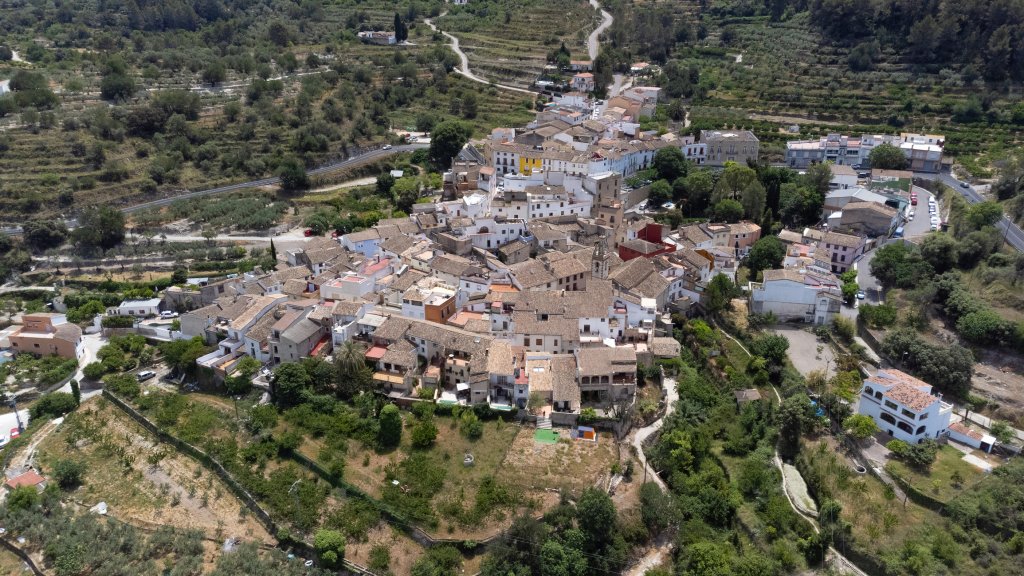
Benialí is part of Vall de Gallinera in the province of Alicante and has around 580 residents. The day after the incident, around 200 people gathered outside the municipal offices to protest against the allegedly homophobic attack. The municipality itself also condemned the events, stating that there must be no place at local festivals for hatred, discrimination or attacks based on sexual orientation. It also reaffirmed its commitment to a “diverse, inclusive, respectful” Vall de Gallinera.
The LGBTQ+ organisation Diversitat Alacant also described the incident as homophobic violence. Its chair, Juan David Santiago, warned of a growing number of homophobia “hotspots”. “We cannot allow hatred of LGBTQ+ people and certain fascist discourses to infiltrate our young people's everyday lives as though this were normal.” Spain's Equality Minister Ana Redondo stressed: “My solidarity is with the young women who were attacked in Alicante because of lesbophobia. Hatred stigmatises, legitimises and strikes on the streets. In the face of the far right, which sows the fear that leads to hatred, we need firm democratic convictions and respect for human rights. Not one step back!” In Spain, too, the community is increasingly facing hate-motivated violence and attacks (German).








