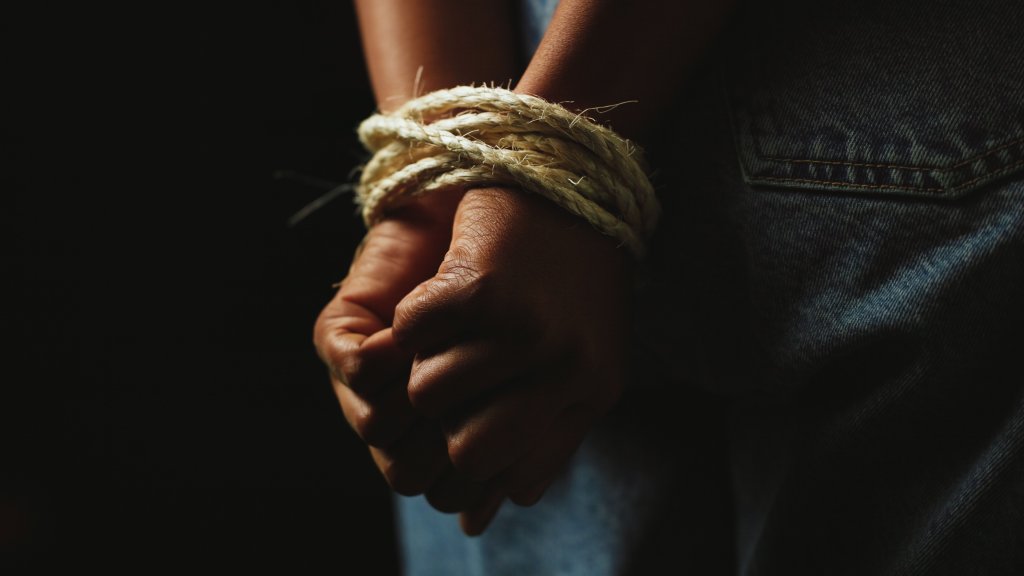
In Senegal, seven women accused of online fraud and extortion have been subjected to compulsory anal examinations. They included five lesbian and two heterosexual women. The examinations apparently took place as part of medical examinations at Youssou Mbargane Diop Hospital in Rufisque and also included forced digital rectal examinations. LGBTQ+ organisations believe these constitute deliberate harassment of gay and lesbian people.
Key points at a glance
- Seven women in Senegal were subjected to compulsory anal examinations following allegations of online fraud and extortion.
- The accused included heterosexual and lesbian women.
- Anal examinations are internationally regarded as scientifically worthless and are criticised by human rights organisations as cruel and degrading.
- According to the report, Senegal is only the second country after Afghanistan where such examinations of women have been documented as part of criminal investigations.
- The cases are linked to an intensified crackdown on same-sex sexual activity by the Senegalese authorities.
Investigations following sextortion
Anal examinations are usually used on men suspected of being gay, purportedly to provide evidence of sexual contact. Scientifically, however, no such conclusions can be drawn from them. According to the LGBTQ+ organisation 76crimes, this is only the second internationally documented case after Afghanistan in which women have been subjected to such examinations as part of criminal investigations.
The seven arrests are reportedly linked to a suspected “sextortion” ring in the Thiès region, around 72 kilometres east of the capital, Dakar. Four people were initially arrested there. The accusations against them included criminal conspiracy, “unnatural acts”, online prostitution, possession and use of narcotics, intentional transmission of HIV, endangering the lives of others, identity theft and fraud. Further investigations then led to charges against seven people in Rufisque-Est, around 26 kilometres east of Dakar.
The accused allegedly used a fake Instagram account to pose as a young girl. They are then alleged to have offered sexual video calls via WhatsApp in exchange for payment. A pre-recorded video of a female accomplice was allegedly used to deceive their contacts. According to the report, the women were also subjected to forced HIV tests. One of them tested positive for HIV but was not charged with intentional HIV transmission.
Examinations with no value
According to Seneweb, the examining doctor stated in connection with the anal examinations that they had “identified clear physical characteristics” supposedly proving same-sex behaviour. In its report “Dignity Debased”, Human Rights Watch describes how such examinations often involve doctors or other medical personnel forcibly inserting fingers or sometimes other objects into the accused person's anus. According to the report, police officers and some medical professionals claim that this allows them to assess the tone of the anal sphincter or the shape of the anus and infer whether the person concerned has had same-sex intercourse.
As far back as 2017, the World Medical Association adopted a resolution calling for a ban on forced anal examinations. Doctors were urged not to participate in them. The method became known in the 19th century through the forensic physician Auguste Ambroise Tardieu. Today, it is widely criticised and has no scientific value. Nevertheless, its use has been documented in Afghanistan, Cameroon, Egypt, Kenya, Lebanon, Tunisia, Turkmenistan, Uganda, Zambia and now Senegal.
Criticism from human rights organisations
Human rights organisations regard the examinations as cruel and degrading. Human Rights Watch has previously described them as a form of cruel, inhuman and degrading treatment that can amount to torture. International human rights standards are also reportedly implicated. Those cited include the Convention against Torture, the African Charter on Human and Peoples' Rights and Article 7 of the Senegalese constitution. The latter states: “Every human being has the right to physical integrity.” There has so far been no official explanation of why the Senegalese judicial authorities now considered the invasive examinations relevant for women too.
The detained lesbian women face five to ten years in prison under Senegal's law against “unnatural acts”. Heavy fines may also be imposed. Under Senegal's criminal code, a conviction can also lead to the permanent loss of various civil rights. The allegation of criminal conspiracy is particularly serious. It carries a possible prison sentence of up to 20 years.








