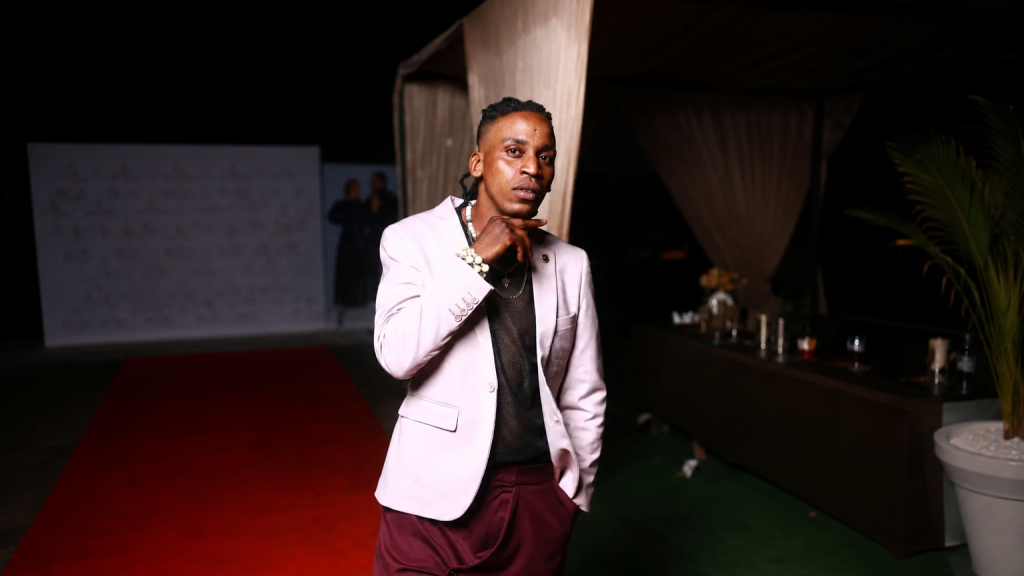
With his first album, “Unmuted”, Zimbabwean artist Charles TJ wanted above all to get people talking. Friends say the record was his “life’s work”. It explored personal experiences, rejection, mental health, faith and the longing for recognition. Shortly before its release, the young artist died at the age of 28. The exact circumstances of his death remain unclear, with possibilities ranging from suicide to murder.
The key points at a glance
- Zimbabwean musician and LGBTQ+ activist Charles TJ died in February 2026 at the age of 28 – just weeks before the planned release of his debut album, “Unmuted”.
- His music addressed discrimination, mental health, faith and the desire for acceptance.
- Friends and fans see him as an important voice for Zimbabwe’s marginalised LGBTQ+ community.
- His producer is considering releasing the album posthumously.
- Same-sex sexual activity between men remains a criminal offence in Zimbabwe; gay men and lesbians report exclusion and violence.
Music as a refuge
“He was nervous but excited,” says Nyasha, an activist and friend of the musician. Charles TJ, who was also known as a gay activist and storyteller, knew the album would move people, Nyasha says. “He wanted people to have conversations.” That never came to pass. A few weeks before the planned release, Charles TJ died unexpectedly on 19 February 2026. The circumstances of his death remain unclear. Friends, fans and Zimbabwe’s LGBTQ+ community reacted with shock and grief.
The 28-year-old was born Tafadzwa Charles Jaera. Away from the stage, he was considered reserved, but at the microphone he was confident. For many people in Zimbabwe’s marginalised community, he was not just a musician but a symbol of courage. Through his songs, he spoke openly about identity, rejection, love and resilience – in a society where such subjects are often discussed only in hushed tones. Friends say his musical development grew out of personal pain. After Charles TJ came out as gay as a teenager, he also experienced rejection within his family. Music became a refuge for him.
A life of freedom
What began as handwritten lyrics in an old notebook later developed into songs he recorded with borrowed equipment in makeshift studios. His style eventually combined Afro-soul with spoken word. His tracks were marked by emotion and great openness. The song “Ndinorarama Zvinofadza Ini” (“I live my life the way I like”) particularly resonated with young people who were often exploring their own identities in secret.
Although Charles TJ remained outside the mainstream for a long time, his fan base grew through word of mouth and social media. After his death, his songs spread even further. Memorial gatherings were marked not only by grief but also by quiet resistance. His message reached people he would probably never have reached during his lifetime.
Songs about love, loss and acceptance
“He was someone who wanted to express his feelings and his pain through music,” says his close friend Primrose Kavhumbura. His songs include “Ndaiti Ndamuwana” (“I thought I had found the right man”). In it, he processes the loss of a partner who, according to the lyrics, was “taken away” by a heterosexual woman who later married him. In “Rudo Rwenyu” (“Your love”), he explores God’s love, which he describes as unconditional and free from discrimination.
“In the song ‘Ndinorarama’, he told the world that he was who he was, that this could not be changed and that people should accept him as he was,” Kavhumbura explains. She adds: “His music helped other people in the LGBTQ+ community understand that anyone with a story should tell it – that finding a way to share it with others is a good thing, including for your own mental health.” She says Charles TJ’s music helped gay people cope with depression and trauma caused by harassment and stigmatisation. With few legal protections available, many found comfort in his songs. “He always said: ‘If they won’t listen to us when we talk, they will hear us in song,’” Kavhumbura recalls. She describes Charles TJ as a kind person, particularly towards those who understood his life story. His father’s rejection of him because of his sexual identity had taken a heavy emotional toll on him. “Sometimes he showed signs of depression, and sometimes he took his frustration out on those who did not understand his life story,” she says.
Between rejection and hope
Activists see Charles TJ’s story as an example of the challenges facing many LGBTQ+ people in Zimbabwe: rejection, invisibility and the emotional strain that can arise when people are open about their identity in an often hostile environment. At the same time, they highlight his courage and the power of his art. “It takes a great deal of courage to achieve something the way Tafadzwa did – especially in a country where being different is seen as taboo and as something evil. Despite all the odds, he stood up and made his voice heard,” says another friend.
In Zimbabwe, same-sex sexual activity between men is prohibited under criminal law. The so-called “sodomy laws” carry fines or up to one year in prison. The legal provisions are broad and partly unclear. This means that even non-sexual acts, such as public displays of affection, can become targets of state action.
Releasing the album after his death
Despite the difficult circumstances, Charles TJ’s music could soon reach even more people. Brighton Tafadzwa Tapfumanei, a producer at Brave Records who oversaw the artist’s recordings, is considering releasing the album after his death – including the final songs Charles TJ recorded. “When we were making the last two songs, he complained that he wasn’t feeling well. But we thought it was just a passing phase and that we would carry on and release the album,” says Tapfumanei. For his friends, it is clear that the late musician’s work must be carried forward. Through his music, Charles TJ wanted not only to process personal experiences but also to give others courage.








