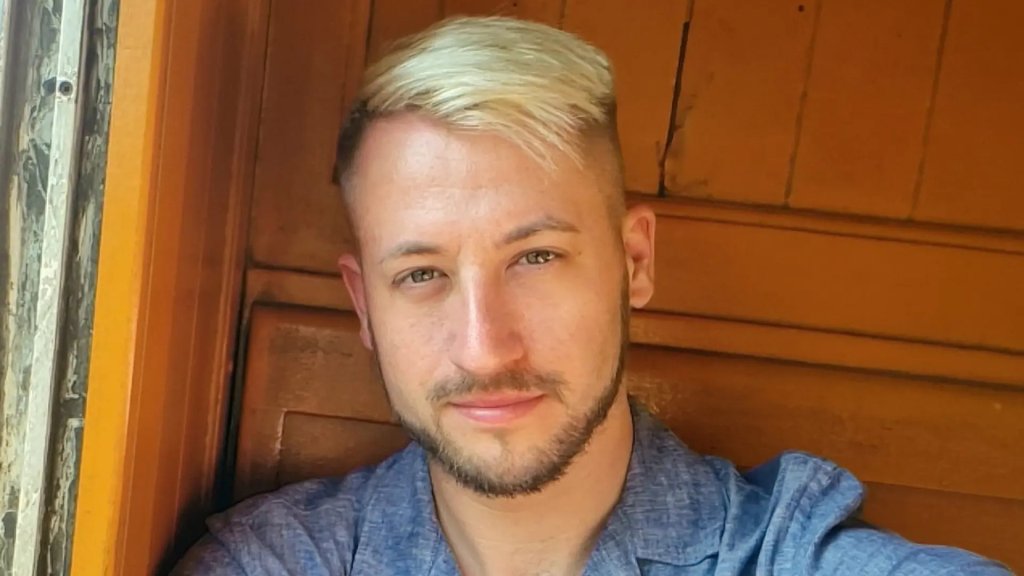
A British police officer wants to significantly improve HIV education within the police. Casey Pownall of the Metropolitan Police is campaigning for mandatory training for police officers across the United Kingdom. Since joining the Metropolitan Police in 2023, he says he has already trained 120 police officers and staff.
Key points at a glance
- Casey Pownall has already educated 120 police officers and staff about HIV.
- The Metropolitan Police officer is calling for mandatory HIV training for police across the United Kingdom.
- His initiative was prompted in part by police officers’ fears and misconceptions about HIV transmission.
- Pownall is also working towards a nationwide peer support network for police officers living with HIV.
Tackling stigma
His work was prompted in part by situations in which Pownall observed colleagues reacting strangely when dealing with suspects living with HIV. Although he does not live with HIV himself, these experiences led the openly gay police officer to take action against stigma. “I noticed that officers became uncertain when conducting investigations involving the arrest of suspects living with HIV, often because of misconceptions about transmission,” Pownall said. He also wants to draw attention to the prejudice that persists: “I am aware that people living with HIV unfortunately still face stigma and discrimination both within the police and in society as a whole. I want to raise awareness of this to help my colleagues challenge stigma and understand how effective modern treatments are.”
From an idea to training
Getting his education project off the ground was initially difficult. “When I first arrived in my borough, I had no idea who to approach or how to navigate the right channels to move this initiative in the right direction,” he went on to explain. Together with the founder of the HIV peer support network Positive Plus, Pownall then developed a training presentation. He has since delivered it to 120 police officers and staff. The content was also independently reviewed by the Metropolitan Police’s Chief Medical Officer and the National AIDS Trust.
Pownall is now one of two co-chairs of Positive Plus. Together with the Police Federation, he is working to persuade the College of Policing to introduce formal HIV training for police across the United Kingdom. His experience so far gives him confidence. “Officers are grateful for the greater awareness this initiative has created. That shows its value and why I believe it should be made mandatory across the country. The response has been very positive, and there has been some amazing progress.” He stresses that this is not about exposing gaps in officers’ existing knowledge to embarrass them. “It is not about shaming anyone. I want to create a safe space where people can talk about it,” Pownall said.
Modern HIV treatments
One common misconception, for example, concerns transmission through saliva. HIV can be transmitted through the blood, semen, pre-ejaculate, rectal fluid, vaginal fluid and breast milk of a person with a detectable viral load. People living with HIV who receive effective treatment can achieve an undetectable viral load. In this case, the virus cannot be passed on during sex. This makes education particularly important to Pownall. “Having these conversations is crucial. There are not many medical conditions that still carry a level of stigma and discrimination comparable to HIV.”
His initiative also aims to support police officers who themselves live with HIV. “And there are police officers from various forces who are living with HIV and feel they have no one to talk to. That is why I think it is absolutely fantastic that we are now expanding our peer support network across the whole country.” The National AIDS Trust is lending its support. Annie Howard, Senior Programme Manager for HIV Confident, said: “It is vital that police officers, as first responders, have access to training that explains the modern reality of living with HIV.”








