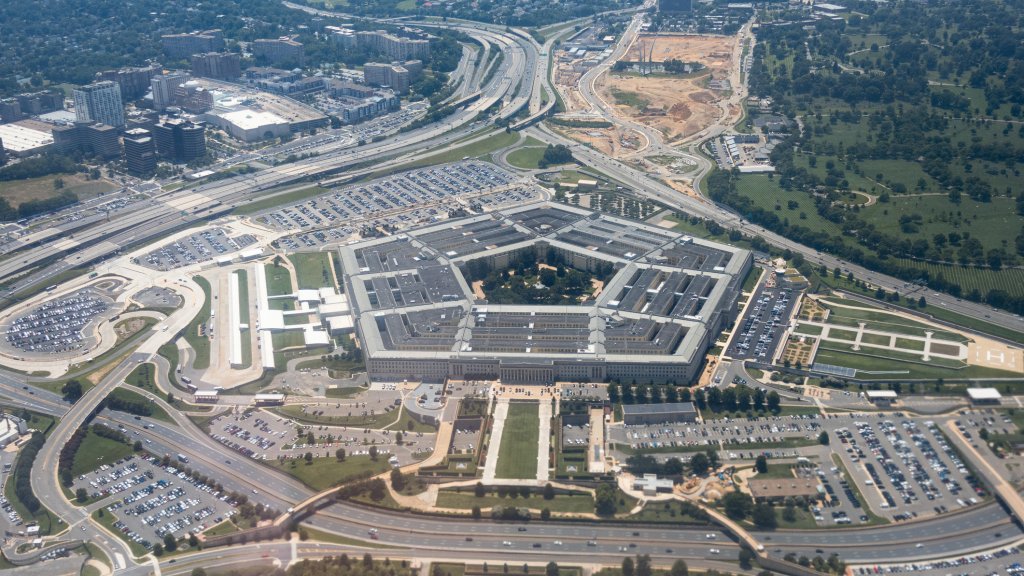
According to media reports, the US Pentagon is currently conducting targeted searches of military medical records to identify trans service members. US President Donald Trump's administration is apparently continuing its efforts to remove trans people from the US military.
Key points at a glance
- The Pentagon is reportedly searching military medical records for indications that service members are trans.
- According to Federal News Network, hundreds of active-duty and reserve soldiers may have been identified in recent months.
- Commanders have reportedly been instructed to initiate discharge proceedings.
- The searches reportedly also cover medical information about previous transitions, gender dysphoria and related treatments.
- According to lawyer Priya Rashid, people who are not trans also appear to have been flagged.
- The Pentagon declined to comment on the allegations, citing ongoing litigation.
- The ban intended to end military service by trans people is currently being challenged in several courts.
Searches of medical data
According to Federal News Network, hundreds of active-duty and reserve soldiers may have been identified in recent months. Reports suggest that commanders have received instructions to initiate proceedings to discharge those affected from the military. The searches reportedly involve military health and personnel databases. These can contain highly sensitive information, including medical histories, prescribed medication, psychological or psychiatric notes, and records of medical treatment received before joining the military. The approach is currently causing considerable concern among trans service members and their supporters. Particularly controversial is the use of private medical information to identify people who may never have publicly come out as trans.
Earlier treatments also under scrutiny
Some of the soldiers now reportedly facing discharge proceedings transitioned years ago or received medical treatment when it was permitted under the rules and policies in force at the time. They are now being targeted after those policies changed. The current search appears to extend beyond service members who have made their transition public. According to media reports, it is also flagging people whose medical records mention a previous transition, a diagnosis of gender dysphoria or related medical treatments.
According to Priya Rashid, a lawyer representing affected service members, the search has even purportedly identified some people as trans who are not. These reportedly include service members with certain medical procedures or diagnoses on record, even though these related to treatment for other health conditions. The Pentagon has so far not answered questions about the alleged searches, citing ongoing litigation.
Several lawsuits challenging the ban
The ban currently faces several legal challenges and a class action (German). The Trump administration previously asked the US Supreme Court to consider the policy, and the justices provisionally ruled in favour of a ban (German). In June this year, however, a US federal appeals court ruled that Trump's policy of removing transgender soldiers from the military was unlawful (German). Nor has there so far been a majority in the US House of Representatives for a permanent ban (German). The US Supreme Court will probably have to consider the matter again for a final decision. Meanwhile, the professional futures of the affected service members are at stake. They face losing careers they have built over many years. Supporters also warn that removing experienced personnel could affect the military's staffing levels and operational readiness.








