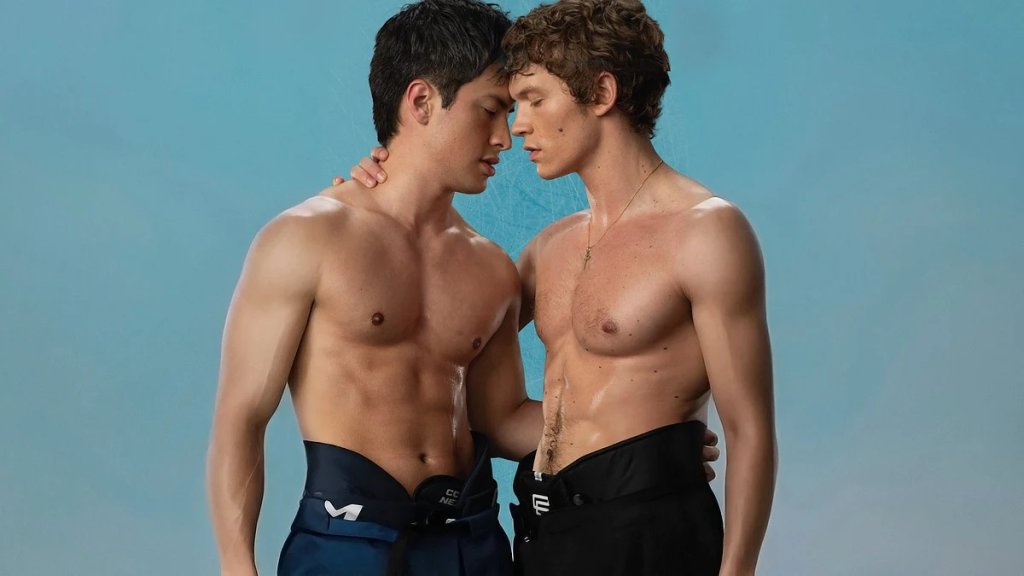
The huge success of the series “Heated Rivalry” appears to be drawing fresh attention in Hollywood to Asian actors and performers of Asian heritage. That is according to “Heartstopper” actor William Gao. Since the breakthrough of Hudson Williams, who plays a leading role in “Heated Rivalry”, Gao says he has been receiving significantly more enquiries.
Key points at a glance
- According to William Gao, Hudson Williams’ success in “Heated Rivalry” is generating significantly more interest in Asian and “Wasian” actors.
- Gao, known for playing Tao Xu in “Heartstopper”, reports more enquiries, self-tapes and auditions.
- Gao sees the development as positive for his career, but also describes it as “predictable” and “strange”.
- The debate about “Wasian” representation is part of a broader shift in Hollywood and pop culture.
- Critics warn against treating ethnic identity as merely a passing trend.
- The question now is whether Hollywood will support Asian and “Wasian” stories in the long term or simply capitalise on the trend in the short term.
More opportunities for Asian actors
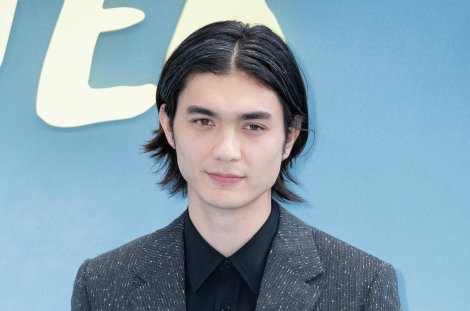
Gao played Tao Xu in the “Heartstopper” series. He says new professional opportunities are now opening up for him. He attributes this development in part to Williams’ success. “Since Hudson Williams, loads of people have been trying to contact me,” Gao said. “I recently went to an audition with four other Wasian men. It felt like: ‘Avengers, assemble!’” The film industry uses the term “Wasian” for people of what is described as white and Asian heritage. A recent investigation by US magazine Vulture also examines this group’s growing visibility in the media and pop culture. Gao has mixed feelings about the development. “I don’t know how to feel about it, because it’s positive for my career, but in the bigger picture it’s kind of predictable: let’s just jump on this trend. It’s good, but it’s strange.”
Greater visibility – but not for everyone
However, the new attention does not mean that all the problems surrounding the representation of Asian people in the media have been resolved. Nor should Asian identity be reduced to a single, uniform image. For fans online, one thing is clear: Hudson Williams has not single-handedly solved every problem with Asian representation. His success has, however, opened a door and sparked a discussion. This could also lead to conversations about the representation of other minority groups.
Hollywood’s long-standing failure to give Asian actors more than limited consideration is particularly visible in LGBTQ+ television. Asian men have often been overlooked in mainstream productions. This makes it all the more striking when the new interest is justified primarily on the grounds that a particular ethnic identity is currently considered a “trend”. For actors such as Gao, this is therefore a double-edged sword. On the one hand, new opportunities are emerging; on the other, questions remain about the industry’s motives.
“Crazy Rich Asians” as an earlier turning point
Whether this development will last remains to be seen. Eight years ago, “Crazy Rich Asians” became a major box-office success. The film helped pave the way for more stories with Asian lead characters. Examples cited include “The Farewell”, “Fire Island” and “Everything, Everywhere, All At Once”, which secured funding and found success with mainstream audiences. Yet to many industry observers, the current development apparently seems more superficial. Screenwriter Aaron Stewart-Ahn also warns against treating identity merely as a lifestyle brand. Hollywood faces a fundamental question: are studios willing to fund Asian and “Wasian” stories even when they are no longer considered the latest trend?








