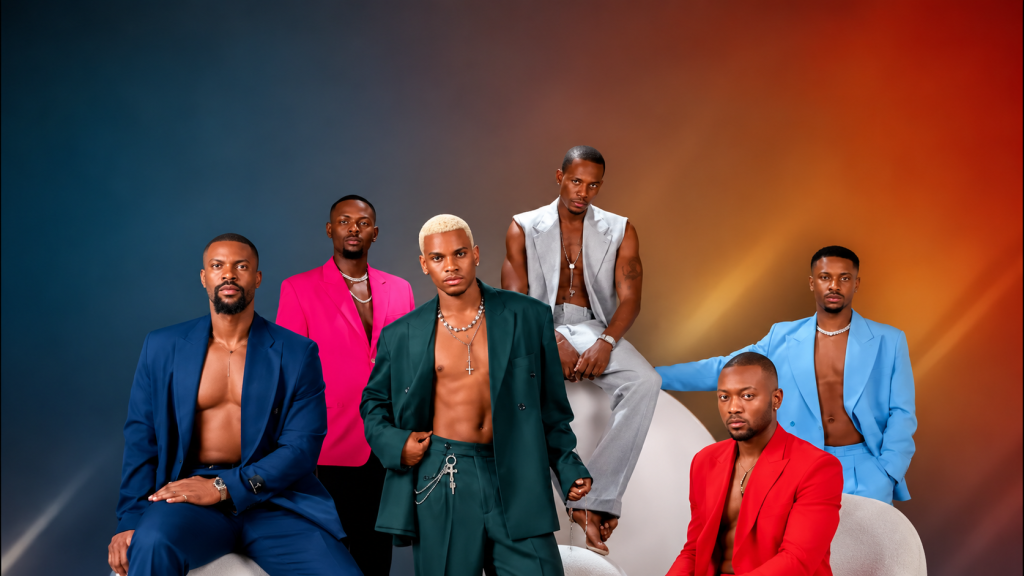
A Nigerian web series about gay and bisexual men has reappeared on YouTube despite opposition from the state film authority. The National Film and Video Censors Board (NFVCB) wants “Living in Colors” removed from the video platform again. The authority had previously prevented a planned premiere in Lagos.
Key points at a glance
- The Nigerian web series “Living in Colors” follows the lives of five young men and openly addresses homosexuality and bisexuality.
- Nigeria’s film authority, the NFVCB, wants to prevent the series from being shown in the country or distributed via YouTube.
- A planned premiere in Lagos was prevented following intervention by the authority.
- The series nevertheless appeared on YouTube and quickly attracted more than 90,000 views per episode.
- After their removal, several episodes were uploaded again to the production studio’s channel.
- The film authority cites, among other things, Nigeria’s strict laws on same-sex relationships.
- No court has yet ruled in this case on whether fictional depictions of such relationships actually breach these provisions.
Campaign against gay web series
The dispute began in August. On 26 August, the NFVCB stated that the production had neither been submitted to it nor reviewed or classified by it before the planned public screening. Preliminary investigations had also found that, in the authority’s view, the trailer contained “explicit pornography” and promoted same-sex relationships. The authority announced that it would work with security agencies at federal and state level to prevent the planned event. The intended venue was also warned. A screening could result in penalties including closure and the withdrawal of its operating licence. The NFVCB also threatened legal action against the production company, producers and supporters. The authority has not yet publicly stated whether any such proceedings were actually initiated.
Tens of thousands of viewers
Despite the warnings, “Living in Colors” was released on production company Prism House Studio’s YouTube channel on 30 August. During the brief period in which they were available, each of the seven episodes attracted more than 90,000 views. By 2 September, however, the videos had disappeared again. It is unclear who removed them. Neither whether YouTube or the producers were responsible, nor whether the film authority had submitted a formal removal request, is known.
On 13 September, however, the series returned to the same YouTube channel. Initially, four episodes were available. This shifted the dispute from a planned cinema screening to the question of how far the Nigerian film authority can also regulate productions distributed through international platforms. The NFVCB’s position is that Nigerian productions must be classified and registered in advance even when they are released through platforms such as YouTube.
Five friends at the centre
“Living in Colors” was produced by Prism House Studio. Manuel Ruben is credited as producer, with Tega Idogho and Udo Casciavit directing. The series follows five friends, Jeremy, Chris, Robert, Justin and Shawn, who live together in Lagos. It centres on relationships, sexuality, friendship, career goals and personal problems. Justin is a feminine gay man who is attacked by men because of his demeanour while on his way to a date. His flatmate Chris saves him. Chris does not describe himself as gay, but later begins a sexual relationship with Justin’s date, a married man. While looking for a partner, Robert is lured into a trap, abducted and beaten up. Shawn is bisexual and sexually adventurous, while Jeremy begins a workplace relationship that eventually costs him his job. The series thus explores questions of identity, sexuality, violence, relationships, friendship and life in the Nigerian metropolis.
Strict laws in Nigeria
The dispute is unfolding against a backdrop of restrictive laws affecting gay people in Nigeria. The film authority cites, among other things, the Same-Sex Marriage (Prohibition) Act of 2013. The law prohibits same-sex marriages and civil partnerships, as well as the “public display of a same-sex amorous relationship, directly or indirectly”. Certain offences carry prison sentences. For the direct or indirect public display of a same-sex amorous relationship, the law stipulates a prison sentence of up to ten years. However, no court has yet determined in the case of “Living in Colors” whether fictional depictions of same-sex relationships in a series fall under this provision. The film authority’s allegations and any potential criminal liability would also have to be established through proceedings that uphold the rule of law. Beyond this, the situation in the country is becoming increasingly dangerous, particularly for gay men (German), and many of them are now leaving their homeland if they can (German).
Crackdown announced
Meanwhile, the high viewing figures demonstrate considerable interest in the production. This does not, however, mean that viewers support its content. Some may also have watched the series out of curiosity after the film authority publicly warned against it. NFVCB head Shaibu Husseini announced that the authority would continue to take action against its release. “The film as a whole promotes same-sex relationships; it is not a film that promotes the arts. We have taken every regulatory step to ensure that the film is not released, including preventing its premiere or screening in the country. We will do everything we can to ensure that it is removed from streaming platforms such as YouTube. If it is to be shown, then let it be shown in another territory where that is permitted, but it will not be shown within Nigeria,” Husseini said.
He added: “The film promotes something that is unlawful. We have no problem with someone identifying with their sexuality, but it should not be promoted through entertainment.” The dispute over “Living in Colors” is therefore not over yet. The series has not only become a point of contention over the depiction of same-sex relationships. It also raises the question of how far a national film authority’s powers extend over productions distributed through international streaming platforms.








