The death of 26-year-old trans activist Kai Sorem during a military operation in the Philippines has now prompted calls for an independent investigation. The case also raises questions about the particular dangers facing queer environmental and human rights activists.
Key points at a glance
- Kai Sorem, a 26-year-old trans activist from Seattle, was killed on 19 April on the Philippine island of Negros.
- A total of 19 people died during the military operation in Toboso, including nine civilians, three of whom were queer.
- Sorem worked to support farmers and rural communities and was a member of the Philippine youth movement Anakbayan.
- An investigative commission has now concluded that Sorem and other victims were unarmed volunteers.
- The case highlights the particular dangers facing queer environmental and human rights activists.
- Relatives and activists are calling for an independent investigation into the deaths.
- The Philippine government described the military operation as having been completed “successfully”.
19 killed in military operation
Sorem, a Filipino-American activist from South Seattle, was involved in Anakbayan, a democratic Philippine youth movement. She travelled to the Philippines for the first time in the summer of 2025. On the island of Cebu, she spent several weeks working with farmers and helping in community kitchens for people displaced by flooding. “Kai really wanted to understand what our people are going through,” said her friend and fellow activist Poppy. “That was so important to her.”
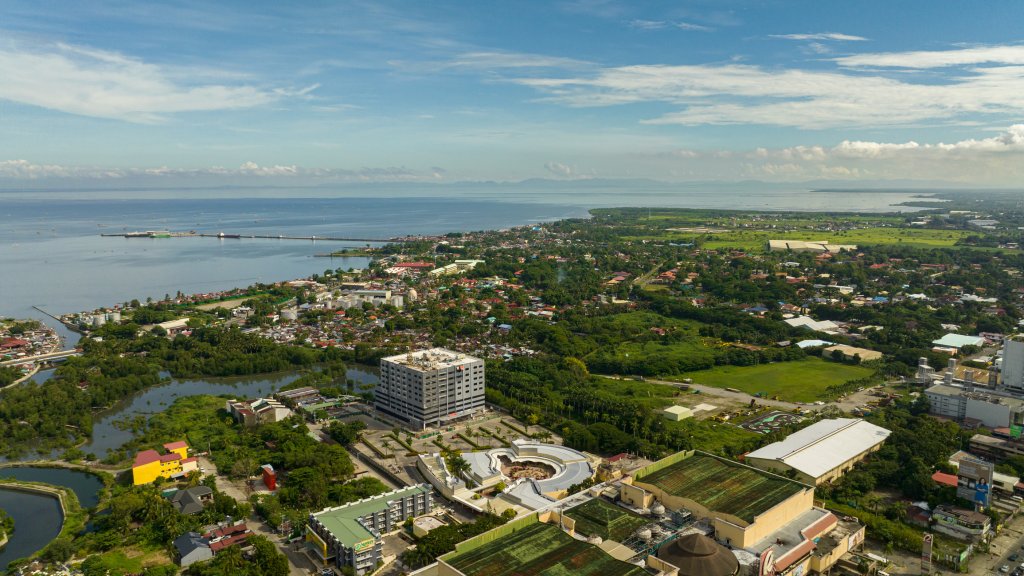
This year, Sorem returned to the Philippines. On the island of Negros, she wanted to work with and learn from sugar cane farmers and plantation workers. In the coastal municipality of Toboso, she was travelling with journalists, activists, lawyers and students and helping with farm work. Early on the morning of 19 April, residents of the Salamanca district heard gunshots near a fish pond. Days later, reports emerged that 19 people had died during the military operation, including nine civilians. Sorem was among the dead.
Investigation contradicts account
Sorem’s family subsequently travelled to Negros to collect her body. Her trans sibling PJ reported that the family had been under surveillance during their stay and had sometimes had to leave places quickly because armed personnel were present. “Having a police officer watching you while you cry over your sister’s body is horrific,” PJ said. “I had never felt under state surveillance in that way before.” In early May, 117 representatives of local, national and international organisations investigated the events in Toboso. The team has now concluded that ten members of the communist New People's Army (NPA) were killed in the operation. However, it said interviews with residents had confirmed that Sorem, fellow US activist Lyle Prijoles and other civilians who were killed had been unarmed volunteers.
According to the investigative commission, Sorem and the eight other civilians killed were subjected to so-called “red-tagging” by the Philippine government after the incident. This involves publicly labelling people as terrorists or members of the NPA. According to Human Rights Watch, much of this practice is linked to state actors. “They criminalise environmental activists, they criminalise human rights defenders and they criminalise people who stand up for what is right,” said Yell Teresa, spokesperson for the Philippine LGBTQ+ alliance Bahaghari. “The issue of violence against LGBTQ+ people is inseparable from the violence inflicted on the Filipino people.”
Risks for queer activists
Sorem’s death also draws attention to LGBTQ+ people working for environmental and human rights. Land rights activist Maureen Santuyo and community journalist RJ Ledesma, who were killed alongside her, were also queer. While violence against environmental defenders has been documented internationally for years, the organisation OUT for Sustainability (OFS) says there is a lack of data on the extent to which queer activists are particularly affected. As a result, it says, it is often impossible to establish whether people are targeted because of their sexual orientation or gender identity, or because they work as activists in a dangerous environment. “There is a double risk in being queer and an environmental activist at the same time,” said Diego de León of OFS. This risk is “not necessarily shared by other marginalised communities”.
The SOGIESC Climate Alliance, a coalition of organisations, researchers and activists, has now identified five specific risks for LGBTQ+ environmental defenders in a submission to the United Nations. These include legal barriers, exclusion from consultations, structural invisibility, and “stigma-related violence and harassment”. Friends, activists and some politicians are therefore now calling for an independent, impartial and credible investigation into the deaths in Toboso. By contrast, the Philippine government praised the military operation as “successful” and apparently considers it concluded. For Sorem’s relatives, many questions remain unanswered months after her death. Although same-sex relationships are legal in the Philippines, LGBTQ+ people face widespread discrimination and violence, and there is still no nationwide anti-discrimination law.








