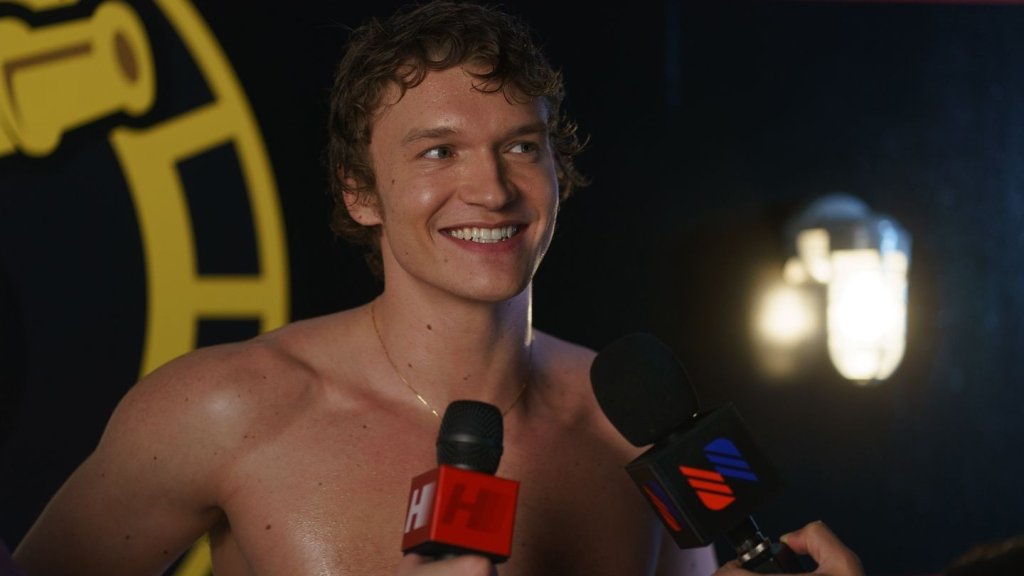
Gay ice hockey players, secret passion and a love story between two rivals: the series ‘Heated Rivalry’ has attracted attention far beyond ice hockey’s traditional audience. Now the NHL also wants to capitalise on this interest (German). With its new ‘Hot for Hockey’ campaign, the North American professional league is deliberately drawing on elements of the romance genre. The only question is: will it backfire?
The key points at a glance
- The NHL is launching its ‘Hot for Hockey’ marketing campaign for the new season, drawing on the success of the ice hockey romance Heated Rivalry.
- Stories lasting 60 to 90 seconds are to appear on audiobook platforms, recounting real NHL storylines in the style of romance novels.
- Actual romances between NHL players are explicitly ruled out.
- The league wants to reach groups including women and gay men who have developed an interest in ice hockey through Heated Rivalry.
- Almost 1.8 million people are said to have followed the NHL for the first time last year because of it.
- Marketing chief Sean Eggert stresses the importance of an "emotional connection".
- There is widespread criticism on social media: female fans do not want their interest reduced to players’ attractiveness, while others accuse the NHL of lacking authenticity in its approach to the LGBTQ+ community.
- The debate has a backstory: the NHL temporarily banned players from using Pride tape and wearing Pride jerseys.
- The second season in 2027 is likely to make the NHL’s situation more difficult: it sharply criticises the ice hockey league for its homophobia.
NHL turns to love stories
Timed to coincide with the start of the new season, real stories from the NHL are now to be told as though they came from a romance novel. The league’s intended audience includes women and gay fans who have developed an interest in ice hockey following the success of Heated Rivalry (German). Just one thing will be missing from the stories: actual romances between the players. Gay sex therefore seems to be off the table too. According to the Sports Business Journal, the NHL is planning a whole series of short audio stories. These are to be released on audiobook platforms during the season. ‘The league has hired well-known authors of ice hockey romance novels to write and narrate the 60- to 90-second pieces. These are intended to encourage listeners to tune in to upcoming games to see how the stories continue on the ice.’
The idea is to give real rivalries and stories from professional ice hockey the language and dramatic structure of romantic fiction. Listeners are then supposed to tune in to follow how the real stories develop on the ice. The NHL does, however, explicitly draw a line. ‘The stories released by the NHL will not feature actual romances between real NHL players. The presentation does, however, play with the genre with a knowing wink.’
‘Heated Rivalry’ as a model
The league’s decision to embrace this form of marketing now is linked to the success of Heated Rivalry. The series centres on Shane Hollander and Ilya Rozanov. Their relationship combines professional ice hockey with a gay love story and explicit sexuality. Encounters between the two in changing rooms, hotel suites and the cottage now familiar to fans are among its defining scenes. The NHL now wants to harness the appeal of this combination once again for its own players and stories (German) – but without the actual romance. This is attracting considerable criticism. While the league is adopting the aesthetics and storytelling of such stories for its marketing, the gay core of its inspiration is being left out. Added to this is the NHL’s previous stance on LGBTQ+ issues.
NHL in a bind
The league has faced criticism before, after temporarily banning players from using so-called Pride tape during games, training sessions and warm-ups. The decision was later reversed following considerable opposition. Its approach to special Pride jerseys had also sparked debate. This meant that, even during the success of ‘Heated Rivalry’, the NHL found itself in an unusual position: a league that had been criticised over its handling of Pride symbols was simultaneously benefiting from the growing interest generated by a series about gay ice hockey players. NHL Commissioner Gary Bettman also commented on ‘Heated Rivalry’. The 74-year-old said he had watched all six episodes in one evening. At the same time, he defended the league’s decisions on Pride tape and special jerseys.
Hit series brings millions of new viewers
The additional interest in ice hockey is particularly attractive to the NHL commercially. Despite the controversies surrounding Bettman’s position, almost 1.8 million people are said to have followed the NHL for the first time last year. The league now apparently wants to build stronger ties with this new audience. Sean Eggert is playing a central role in this. The former Under Armour executive has joined the NHL as its new Senior Vice President and Chief Marketing Officer. Speaking to ESPN, he described how important emotional stories could be in marketing the sport. ‘People fall in love with people. That emotional connection is really, really important,’ Eggert said.
He also believes the success of romantic stories centred on sport and ice hockey is impossible to ignore. ‘The whole “romantasy” space, specifically around sport and ice hockey, is undeniable,’ Eggert said. Gay men are not, however, the largest audience group for ‘Heated Rivalry’. Women make up around two-thirds of the series’ audience (German). Accordingly, the NHL’s new strategy is also aimed strongly at potential female fans. Yet this is precisely where the campaign is also attracting considerable criticism. Some women who are already ice hockey fans point out on social media that their interest in the sport is not based on the players’ attractiveness. They criticise a marketing strategy that associates women’s interest in ice hockey primarily with romantic or sexual fantasies.
Sexualisation of fans and players
One female user wrote on X: ‘Ignoring the Neanderthals in the replies, I wish sports leagues would stop trying to appeal to women through attractiveness and realise that we can like things just like everyone else, lol.’ Another user feels the campaign fails to take either players or fans seriously. ‘Honestly, I think this is pretty disrespectful to both the players and the fans. I don’t think the players want to be sexualised, and I don’t think the fans want to be patronised. But what do I know? I’m not the NHL’s marketing team.’
The league’s focus on BookTok, the large book community on TikTok, is also drawing critical comments. One female user wrote: ‘I’m laughing at the fact that the league sees explosive growth among its non-traditional fan groups and its response is to present poorly copied, non-erotic stories.’ Others, meanwhile, warn against blurring fiction and reality: ‘It doesn’t just seem pretty disingenuous to want to profit from a community you keep making it clear is not welcome. I also think we need to show more sensitivity when it comes to ice hockey romances and some people’s inability to distinguish fiction from reality.’
New crisis in 2027 with season 2
This leaves the NHL facing a difficult balancing act. The league has recognised that ‘Heated Rivalry’ and the growing genre of ice hockey romances can get people excited about a sport they may previously have barely followed. With ‘Hot for Hockey’, it is now trying to turn that attention into genuine interest in NHL games. Yet the very groups it hopes to reach are debating whether this approach is credible. The situation is likely to become more difficult again next year with the planned launch of the second season of ‘Heated Rivalry’ in April 2027. It will be based in part on Rachel Reid’s novel ‘The Long Game’, in which the ice hockey league, and its leadership in particular, are portrayed as homophobic and sharply criticised (German). The NHL is already deeply worried about this potential damage to its image – and little, erotica-free audiobook snippets are unlikely to be much help.








