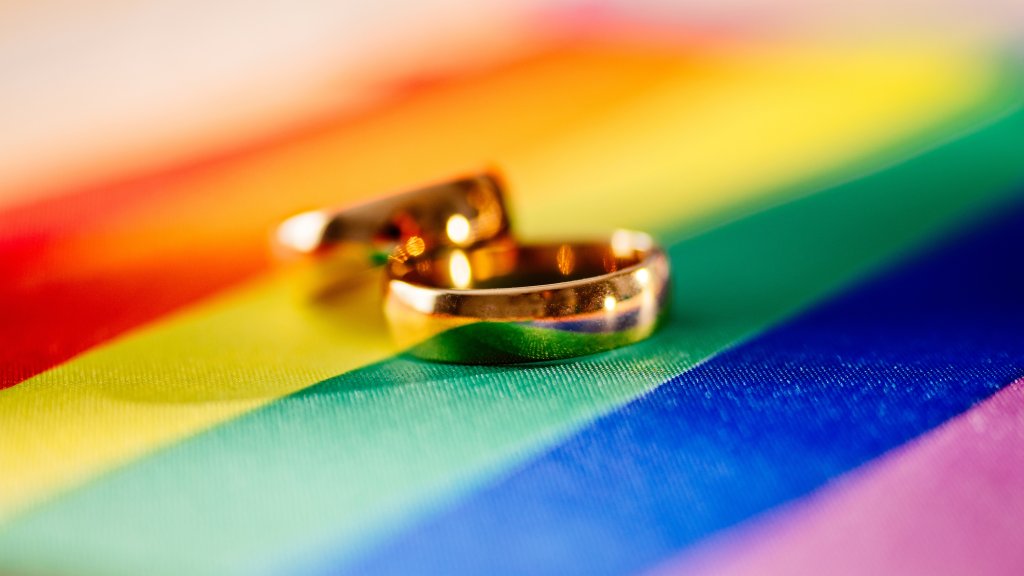
Although marriage has not been opened to same-sex couples in Poland, growing numbers can now officially register their marriages entered into abroad. According to the latest government figures, 516 such marriages have now been recorded. At the end of July, the figure was just 184.
Key points at a glance
- According to Digital Affairs Minister Krzysztof Gawkowski, 516 same-sex marriages entered into abroad have now been registered in Poland.
- Specifically, the marriages of 318 male couples and 198 female couples have been recognised.
- Warsaw has recorded the highest number of registrations, at 209, followed by Wrocław with 73 and Kraków with 46.
- The European Court of Justice required member states to recognise same-sex marriages lawfully entered into in other EU countries.
- While Poland's Supreme Administrative Court upheld recognition, the Constitutional Tribunal declared the ruling unconstitutional.
- Opening marriage to same-sex couples is still not in sight. A law granting legal recognition to same-sex partnerships has also been blocked by the president's veto.
Warsaw leads the way
The new figures have now been published by Digital Affairs Minister Krzysztof Gawkowski. They show 318 registrations of marriages between men and 198 of marriages between women. The trend shows that increasing numbers of couples are making use of a European court ruling, even though same-sex couples still cannot marry in Poland itself. Recognition is based on a judgment by the Court of Justice of the European Union (CJEU). It requires member states to recognise certain marriages of same-sex couples lawfully entered into in other EU countries, even if national law does not allow these couples to marry.
Foreign marriages are registered through a procedure known as transcription. This involves Polish civil registry offices transferring the details from foreign marriage certificates into national registers. So far, this option has been used particularly frequently in the capital. In Warsaw, the authorities registered 209 same-sex marriages. Wrocław follows in second place with 73 cases, then Kraków with 46. The procedure is also being used outside the major cities. According to the government figures, civil registry offices in more than 50 other towns and municipalities have carried out at least one such registration.
EU ruling opens up marriage
The legal developments began with the case of a Polish male couple who had married in Berlin (German). The two men then wanted their marriage to be recognised in their home country as well. The legal dispute eventually reached the European Court of Justice. It ruled in favour of the couple and found that EU member states are obliged to recognise marriages entered into in this way. This obligation also applies to countries that have neither opened marriage to same-sex couples nor introduced registered partnerships. This gave affected couples in Poland a way to have their marriage entered into in another EU country officially recorded, without the Polish parliament first having passed legislation opening marriage to all couples.
Courts and a veto
Implementation of the European ruling nevertheless remains disputed within the Polish judiciary (German). Poland's Supreme Administrative Court upheld the obligation to recognise same-sex marriages entered into abroad. The Polish Constitutional Tribunal, however, reached a different conclusion and declared the CJEU's ruling incompatible with the Polish constitution. The government did not endorse the Constitutional Tribunal's assessment. It continues to recognise these marriages and to allow civil registry offices to register them.
Regardless of the recognition of foreign marriages, legal equality for same-sex couples within Poland remains politically contested. Neither opening marriage to same-sex couples nor introducing a statutory partnership scheme has yet been achieved. Although a parliamentary majority supported legal recognition of same-sex partnerships, the president blocked the proposal with his veto (German) – against the wishes of the majority of the population, with 62 per cent recently expressing support for same-sex marriage. Overriding this decision would require a sufficient parliamentary majority, which does not currently exist. The situation for same-sex couples in Poland therefore remains contradictory.








