The bicycle has long been more than just a practical means of transport. Today, it represents freedom, sustainability and a modern lifestyle. In cities in particular, more and more people are consciously swapping their cars for bikes. There are many reasons for this: rising fuel prices, overcrowded city centres, climate protection and, not least, the desire for more physical activity in everyday life. For many, cycling is now a firm part of their personal green mobility strategy.
Interest in sustainable mobility is also growing within the community. Whether on a leisurely Sunday outing, the daily commute or a group bike ride with friends, cycling combines environmental awareness with quality of life. The trend is clearly on the rise, not just for conventional bicycles, but particularly for e-bikes and modern gravel bikes.
Cycling as a statement
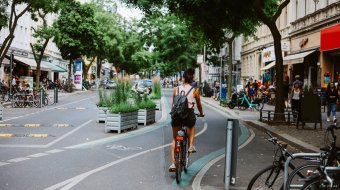
People who cycle today are often making a conscious choice to avoid stress, noise and emissions. In major cities in particular, the bicycle is increasingly becoming a faster alternative to the car or public transport. While cars sit in traffic jams, cyclists can often make much more relaxed progress.
Then there is the environmental aspect: bicycles produce no direct CO₂ emissions and take up considerably less space than cars. Cities such as Copenhagen and Amsterdam, as well as parts of Berlin, already show how modern urban mobility can work. Wide cycle paths, multi-storey cycle parking facilities and car-free zones are increasingly shaping the urban landscape there.
But green mobility is not just about protecting the climate. It is also about making cities better places to live. Less traffic means cleaner air, less noise and more space for people to meet. Many people therefore now see cycling as an active contribution to a more sustainable lifestyle.
E-bikes are changing mobility
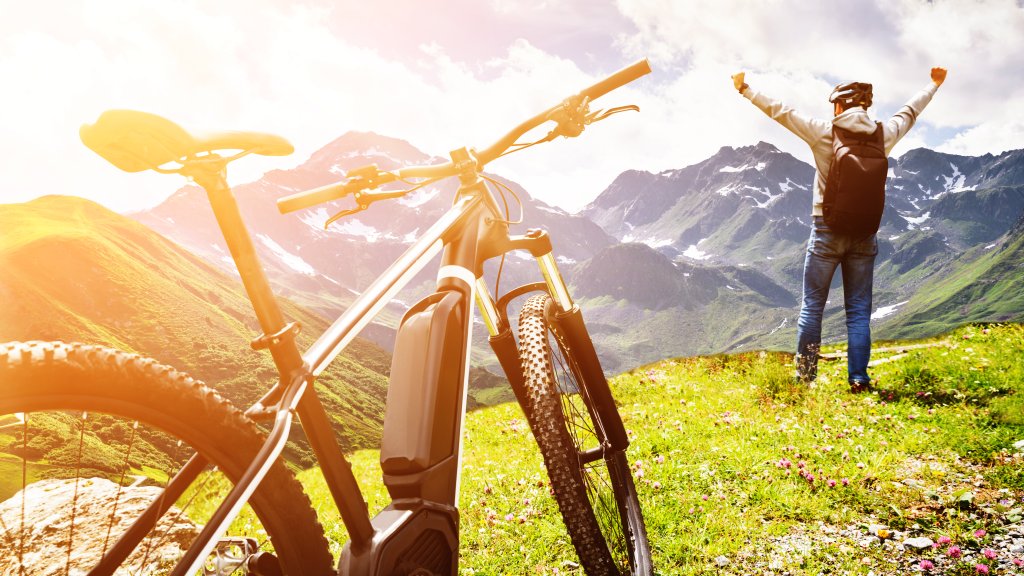
The market for e-bikes is currently growing particularly strongly. Modern models have little in common with the heavy bikes of the past. The latest generations are light, powerful and often look almost indistinguishable from conventional bicycles.
E-bikes offer enormous advantages, especially over longer distances or in hilly areas. Commuters can easily cycle several kilometres to work without arriving sweaty. At the same time, e-bikes are now even replacing the second car in many households.
Cycling is also playing an increasingly important role in the travel industry. Cycling holidays are booming. Hotels offer charging stations and secure bicycle garages, while many regions are investing heavily in new cycle paths. People planning a holiday today increasingly consider whether a destination is cycle-friendly.
Health meets sustainability
Alongside its environmental benefits, cycling also has plenty to offer in terms of health. Even short everyday journeys strengthen the cardiovascular system, improve endurance and help reduce stress. Many people report feeling more balanced and relaxed thanks to regular cycling.
A short ride can help clear your head, especially after a long day at work. The bicycle offers a form of freedom that has become rare: no timetable, no searching for a parking space, no constant time pressure.
Studies also show that people who cycle regularly lead healthier lives on average and feel better overall. This fits perfectly with the current mood, in which issues such as self-care, mental health and conscious consumption are becoming increasingly important.
Community on two wheels
New cycling communities are currently emerging in many cities. Group outings, known as community rides, have long been part of the urban lifestyle. Queer cycling groups are also becoming increasingly visible. The focus here is not on performance or competition, but on community, visibility and shared experiences.
Younger generations in particular increasingly associate cycling with identity and values. Sustainability is no longer seen as going without, but as a modern lifestyle. Bicycles are customised, given stylish designs and have long been a means of personal expression.
Greater safety is still needed
Despite all these positive developments, challenges remain. Many cities are still heavily geared towards cars. A lack of cycle paths, dangerous junctions and confusing traffic conditions leave people feeling unsafe in many places.
Transport experts are therefore calling for faster investment in safe infrastructure. Good lighting, separate cycle lanes and secure parking facilities are now considered key elements of modern urban planning.
The market is also continuing to develop technologically. Smart cycle helmets with built-in lights, GPS trackers and app-controlled locks provide added convenience and greater safety and security in everyday life.
Summer belongs to the bicycle
For many people, June marks the start of the best cycling season of the year. Long days, mild temperatures and sunny weekends make exploring new routes an inviting prospect. Whether it is a spontaneous ride to the water, a leisurely outing through the countryside or the daily commute, the bicycle combines sustainability with a zest for life like almost no other means of transport.
And perhaps that is precisely the real reason for the success of the current cycling boom. Green mobility has long ceased to feel like going without: it feels like freedom. (tb)