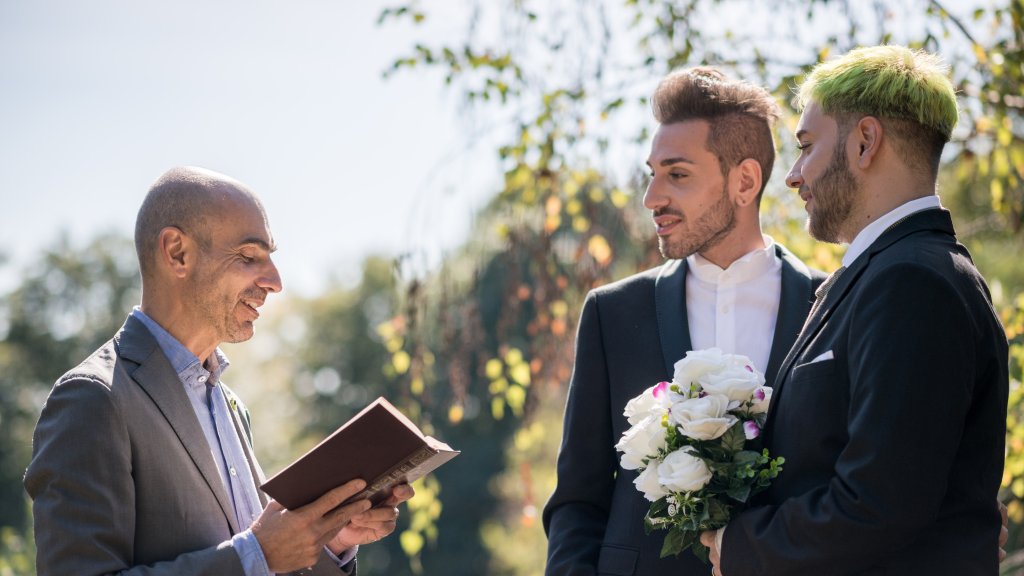
For many couples, getting married initially feels like a huge project. Too many opinions, too many expectations, too many things that supposedly “have to be part of it”. It is easy to forget that a wedding is not a test of achievement, but a personal moment. Asking yourselves a few honest questions early on can save you stress and disappointment later.
This article helps you sort out your own priorities. No romanticising, no demand for perfection, just clarity and practical insights.
Three questions to ask yourselves
Before you even get to venues, outfits or guest lists, it is worth pausing for a moment. These three questions determine whether your wedding reflects who you are or whether you are unwittingly meeting other people's expectations.
1. Who are we actually doing this for
For yourselves, for family, for friends or for beautiful photos. It is fine to answer honestly. Trying to please everyone can quickly make you lose your own sense of direction. A wedding works best when, first and foremost, it makes you happy.
2. What really matters to us and what can we leave out
Not every couple needs speeches, scheduled activities or grand gestures. Some want good food, others music, and others time to talk. Everything else is an extra. Setting priorities makes planning more relaxed.
3. How do we want to remember this day
As a perfectly timed event or as a relaxed day with people who make you feel good. This question helps with many decisions. What to wear, the running order and the size of the celebration often fall into place almost by themselves.
INFO BOX: Brief & honest
A wedding does not have to please everyone
Not everything that is possible is also worthwhile
Your mood shapes the day more than any detail
What we wish we had known beforehand
Almost every married couple says afterwards: if only we had known that beforehand. Here are the most common things couples wish they had realised sooner.
Many underestimate how tiring the day can be. An early start, lots of conversations, few breaks. Comfortable clothes, spare shoes and brief moments away from it all make a big difference.
Another consideration is the guest list. People often invite those they barely keep in touch with, out of politeness or a sense of duty. Looking back, many couples say they would rather have had a smaller celebration. Fewer guests mean a more intimate atmosphere and less stress.
There are lessons to be learnt about photos too. Staged pictures rarely look as lovely as genuine moments. Couples are often happier with documentary-style photos than with traditional poses.
And last but not least: you see yourselves differently on the day from how others see you. Guests usually do not even notice the little insecurities that preoccupy you.
INFO BOX: Lessons from experience
Plan breaks
Only invite people you feel comfortable around
Natural beats perfect
The day goes by faster than you expect
Myths about getting married
A surprising number of myths persist around weddings. Time to clear up a few of them.
Myth 1: A wedding has to be perfect
It does not. Little mishaps are part of the experience and often become the loveliest memories. Perfection creates pressure; a relaxed approach creates atmosphere.
Myth 2: It will not work without a big budget
Wrong. A good atmosphere, good food and genuine connections do not necessarily cost a lot of money. Many of the loveliest weddings are deliberately kept simple.
Myth 3: Everyone has to be happy
Unrealistic. There will always be someone who would have done something differently. That is okay. A wedding is not a vote, but a decision.
Myth 4: There are fixed rules
Most rules exist only in people's heads or on social media. Whether you want scheduled activities, rituals or dress codes is entirely up to you.
INFO BOX: Myth check
Perfection is not a mark of quality
Money cannot replace feeling
Other people's expectations are not a benchmark
Whatever feels right is allowed
In the end, it is not the concept that counts
Many couples start with a plan and realise along the way that things change. That is normal. A wedding is not a rigid concept, but a day that takes on a life of its own. Staying flexible and taking your own needs seriously lets you experience it more fully.
Perhaps this is the most important tip of all: do not let anyone or anything drive you to distraction. Neither trends nor well-meant advice. The sign of a successful wedding is not the decorations or the staging, but whether it feels true to you.
And if you look at each other at the end of the day and think: that was just right, then you have done everything right. (tb)