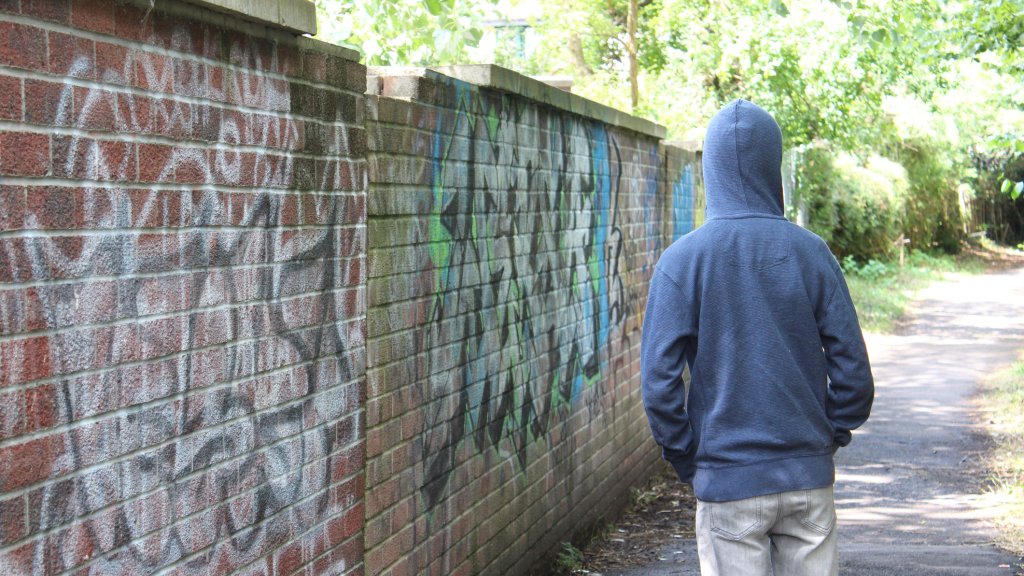
Young lesbian, gay, bisexual, trans and queer people in the United States are significantly more likely to experience homelessness than their peers outside the LGBTQ+ community. Despite growing social acceptance and higher government spending, the situation has barely improved in recent years. Experts see family rejection, discrimination, mental health pressures and inadequate support services as the main causes.
Key points at a glance
- More than twice the risk: according to a study, LGBTQ+ people aged 18 to 25 in the US are more than twice as likely to experience homelessness as their non-queer peers.
- A Trevor Project study found that 28 per cent of the LGBTQ+ young people surveyed had experienced homelessness or housing instability.
- Rejection by relatives, discrimination, mental health problems and a lack of support increase the risk of losing one's home.
- Social progress is not enough: experts describe a “paradox of progress”. Greater acceptance of LGBTQ+ people encourages coming out, but does not automatically protect against rejection within the family.
- Despite increased government spending, the situation remains difficult. Queer people in particular often avoid emergency shelters for fear of discrimination.
- New approaches to support: direct cash payments, psychological care, family counselling and stronger protection against discrimination could prevent homelessness.
The paradox of growing acceptance
According to research by the Chapin Hall research centre, LGBTQ+ people aged 18 to 25 are more than twice as likely as their non-queer peers to have experienced homelessness recently. A Trevor Project study also found that 28 per cent of the LGBTQ+ young people surveyed had experienced homelessness or housing instability at some point in their lives. The disproportionate impact of homelessness on queer young people has been documented by researchers for at least two decades.
Researchers suggest that one possible reason for the persistently high figures lies in the gap between social progress and young people's actual living conditions. Carin Tunåker, a legal scholar at Britain's University of Kent, describes this phenomenon as a “paradox of progress”. The introduction of same-sex marriage, greater social visibility and increased acceptance could encourage young LGBTQ+ people to come out earlier. However, this does not mean that their families and those around them also accept their sexual orientation or gender identity. “People have this idea that there has been progress and society is getting better. So they believe it will be safe and that it is OK to come out as queer,” Tunåker told US outlet Uncloseted Media. “But the reality people face does not always match their expectations.”
Anti-LGBTQ+ sentiment
When young people lose their family's support after coming out, they often lack financial resources and alternative housing options. The fact is that the social visibility of sexual and gender minorities has increased significantly in the US. According to a Gallup poll, almost one in four adults aged 18 to 29 now identifies as LGBTQ+. Among 30- to 49-year-olds, by contrast, the figure is around ten per cent. Experts stress, however, that increasing openness does not necessarily go hand in hand with better living conditions.
Alex Roque, president of New York's Ali Forney Center, reports a substantial increase in demand for support. The facility is regarded as the largest community centre for homeless LGBTQ+ teenagers and young adults in the United States. Following the introduction of same-sex marriage in New York State, he says, its waiting list doubled within a few weeks from around 100 to 200 young people. According to Roque, the number of young adults seeking help from the Ali Forney Center has risen by 20 per cent each year since 2016. “We believe that the anti-LGBTQ+ sentiment in our country, along with growing hatred and political attacks on our community, is directly linked to the increasing need for support,” he explains. Public debates about LGBTQ+ issues could exacerbate conflicts within families and lead to young people being outed against their will.
Hundreds of legislative proposals
According to the civil rights organisation American Civil Liberties Union (ACLU), at least 531 legislative proposals classified as anti-LGBTQ+ have already been recorded in US state legislatures this year. Tunåker sees this as an additional risk factor for queer young people. “The reason homelessness in this group is not just staying at the same level but actually increasing is that LGBTQ+ people are constantly under attack. That puts them at even greater risk.” Political debates about restricting existing rights could also undermine trust in public authorities. “When rights are publicly abolished, or even when there is public discussion about possibly abolishing rights, it frightens people,” Tunåker adds. As a result, those affected are less likely to ask authorities or other public institutions for help.
Fear of discrimination
Researchers consider the situation of queer people in existing support facilities particularly problematic. A Williams Institute report found that more than a quarter of the queer respondents who had become homeless because of their gender identity had avoided emergency shelters for fear of mistreatment. Brandon Robinson, a researcher at the University of California, Riverside, criticises conditions in many emergency shelters. “We know that most people in emergency shelters move back and forth between shelters, the streets and prisons,” he says. “There is violence, it is noisy, and the facilities are, of course, segregated by gender. That causes a lot of problems for trans people. They do not work in the long term.” Experts therefore recommend support services specifically tailored to LGBTQ+ people and mandatory safeguards against discrimination.
Funding for homelessness services
The US federal government has increased its spending on tackling homelessness by around 22 per cent over the past decade. This is reflected in information from the Congressional Research Service and US Department of Health and Human Services budget documents for 2026. Nevertheless, experts say the available data show little progress on youth homelessness. “The data have not improved over the past ten years,” explains Larry Cohen, co-founder of the non-profit organisation Point Source Youth. The organisation works to prevent youth homelessness and is trialling measures including direct financial assistance.
A Point Source Youth pilot programme examined whether one-off cash payments could protect young people from losing their homes. Participating households received an average of US$3,700. They were also offered support with housing planning and optional counselling services. Of 311 participants surveyed, 229 responded. For 92 per cent of respondents, no use of homelessness services was recorded within six months of receiving support. The findings suggest that early financial assistance could offer an alternative to later placement in emergency shelters. However, the pilot programme does not provide conclusive evidence of effectiveness. By comparison, a place in a New York emergency shelter cost around $47,000 to $55,000 a year in 2025. According to the city council, these amounts did not cover all operating costs.
Mental illness
Cohen stresses that cash payments alone are not enough. “It is about more than just giving them money,” he explains. Additional services and ongoing support from social workers are needed to ensure young people have lasting access to housing and other support. Researchers say homelessness and mental health problems can reinforce one another. A Trevor Project study found that LGBTQ+ young people who had experienced homelessness or housing instability were almost twice as likely to report anxiety and depression as queer young people with stable housing. They were almost four times as likely to have attempted suicide.
Amy Stone, professor of sociology and anthropology at Trinity University, points out that a lack of housing also affects other areas of life. Without a safe place to live, it becomes significantly harder to complete school or vocational training, start university, build social relationships and develop long-term prospects. Alongside stable housing, access to psychotherapy and social support is therefore crucial. According to the Trevor Project, prevention must begin before young people lose their homes.
Calls for those responsible to act
The organisation calls for stronger measures against discrimination and bullying, family counselling and mediation services for conflicts over sexual orientation or gender identity. Young people leaving state care facilities also need better preparation for independent living. Sociologist Stone stresses the importance of reliable personal relationships. “One of the factors that protect all of us from becoming homeless is what we call permanent connections,” she says. These do not necessarily have to be with parents. Grandparents, other relatives or trusted adults can also prevent young people from being left without a home.
Experts also recommend raising awareness of support services in schools and giving LGBTQ+ young people early access to financial, social and psychological support. Researchers agree that emergency shelters alone cannot solve the problem. Long-term secure housing, a functioning support network and effective protection against discrimination are crucial.








