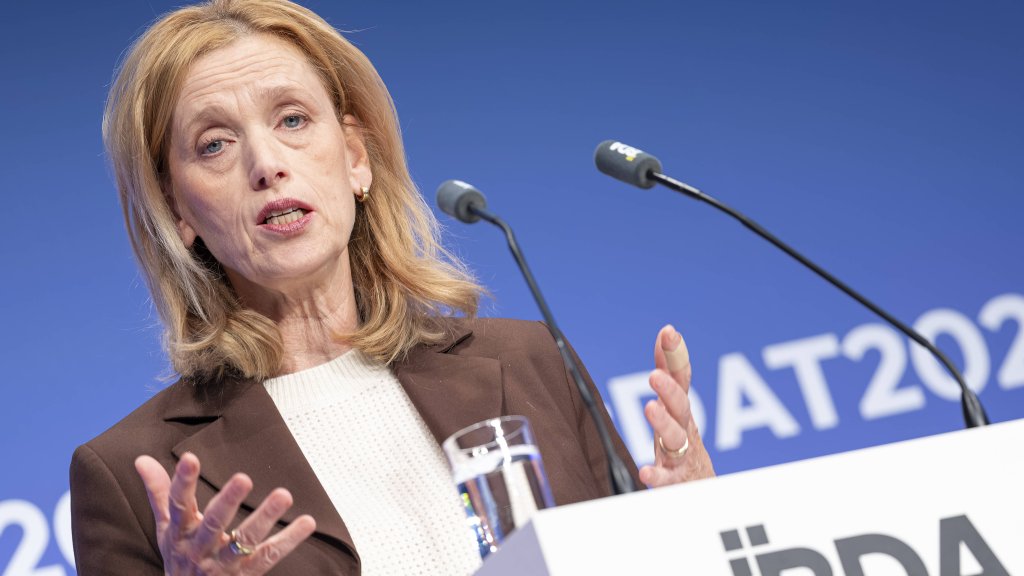
Children under 13 in Germany are to be generally prohibited from using social networks in future. Additional restrictions are planned for older minors. Today, the federal government adopted key proposals for an overhaul of online safety protections for children and young people. Federal Family Minister Karin Prien (CDU) wants these measures to better protect children and young people from the dangers of digital platforms. Specialist associations and queer organisations have serious concerns.
The key points at a glance
- New age limits: The federal government wants to generally prohibit children under 13 from using social networks. Graduated restrictions are planned for 13- to 17-year-olds.
- More responsibility for platforms: Features that encourage addiction are to be prevented, and algorithmic recommendation systems disabled by default.
- Particular risks for queer young people: Cyberbullying, hate speech, sexual harassment and targeted hostility can particularly affect young LGBTQ+ people online.
- Warning against blanket bans: Many LGBTQ+ organisations are critical of general social media bans, as digital communities can provide important information and support for queer young people.
- Further measures planned: Age verification, media education, AI literacy and an online police reporting service for children are intended to improve protection.
Protection or censorship?
The plans affect millions of young people who use social media for communication, entertainment and information. The issue is particularly complex for queer young people: they frequently face discrimination and hostility online, but also find communities, support and information there that may be lacking in their immediate surroundings. While the federal government wants to improve protection against cyberbullying and platform mechanisms that encourage addiction, numerous voices from the LGBTQ+ community warn of the possible consequences of far-reaching access restrictions. The central question is therefore how young people can be protected from online abuse without depriving them of important opportunities to participate in society.
Empowerment and participation
The government's plans are based on 56 recommendations for action from an expert commission on protecting children and young people in the digital world. The panel submitted its final report in mid-September 2026. According to the Federal Ministry for Family Affairs, the key proposals now adopted mark the start of implementing the first measures. Prien said: “The analysis is over; now it is time for implementation: with these key proposals for protecting children and young people in the digital world, we as the federal government are laying the foundations for children and young people to grow up safely and with autonomy in the digital world too. Protection, empowerment and participation – that is our mission.”
The minister also reiterated: “The internet has long been part of everyday life, especially for young people – that is why we do not want to shut them out of the digital world, but to make them strong and resilient. An end to cyberbullying, just as to endless scrolling! We are firmly holding platform operators accountable and backing parents — they are the ones raising children; we will not leave that to corporate algorithms.” According to the federal government, it is pursuing three goals: children and young people should be protected from dangers, learn to use digital media on their own terms and remain able to participate in the digital world.
Ban for under-13s
A central element of the key proposals is a statutory age limit for social networks. At European level, as part of negotiations on the so-called EU KIDS Act, the federal government intends to push for children under 13 to be generally denied access to social networks. Until a corresponding European regulation is in place, a national interim solution is to be introduced. This would generally prohibit under-13s from using social networks. Exceptions are to be possible for services demonstrably suitable for children.
For young people aged between 13 and 18, the federal government envisages graduated restrictions on use. The key proposals presented do not yet specify which restrictions would apply to the individual age groups. The measures are therefore, for now, policy proposals rather than general bans on use that are already in force. Under the government's plans, the EU KIDS Act is also to include rules for online games, app stores, operating systems and AI companions.
Focus on queer young people
For young LGBTQ+ people, the question of how best to approach social media takes on particular significance. Digital platforms can be both places of support and settings for severe hostility. Homophobic and anti-queer insults, targeted cyberbullying, threats and discriminatory comments are among the risks that queer, gay, lesbian and bisexual people may encounter online. Such attacks can weigh particularly heavily on young people. Those still exploring their sexual orientation or gender identity may already be facing uncertainty, social expectations or rejection from people around them.
There are also risks such as the unwanted disclosure of one's identity, known as outing, the sharing of personal information or the publication of private images without consent. Sexual approaches by adults, attempted blackmail and manipulative relationships can also pose a danger. These risks can affect all minors, but may create additional dependencies for young people with little support in their immediate surroundings. Recommendation algorithms that can spread particularly distressing or contentious content are also problematic. Repeated exposure to anti-queer messages can reinforce a sense of being rejected by society.
LGBTQ+ associations oppose bans
At the same time, many LGBTQ+ organisations and queer youth initiatives oppose blanket restrictions on access to social media in principle. Their central concern is that a general ban could particularly affect precisely those young people who find little support offline. For young people in rural areas or in an unaccepting family environment, digital services can provide an important connection to other queer people. Through social networks, young people learn about counselling services, youth groups, self-help services and opportunities to exchange experiences with their peers.
Information about coming out, sexual orientation, gender identity or dealing with discrimination is also often more readily available online than in a person's immediate surroundings. For some young people, the internet is also the only place where they can initially ask questions anonymously without having to fear being outed against their will. A blanket exclusion could restrict these opportunities. Critics also fear that young people could move to platforms that are less well moderated or harder to monitor.
Concerns over age checks
Another objection concerns age checks. If extensive personal data is collected for this purpose, new data protection risks could arise. For queer young people, it would be particularly problematic if sensitive information about their identity or their use of relevant services were disclosed. Calls for better safeguards therefore do not necessarily conflict with opposition to general social media bans. Many advocates of youth protection that supports participation instead favour stricter platform rules, better moderation, accessible reporting options and comprehensive media education.
Making platforms safer
Another focus of the government's plans is the principle of “Safety by Design”. Under this approach, digital services are to be designed from the outset to keep risks for minors as low as possible. This includes, in particular, restricting features that encourage excessive use. Infinite scrolling, automated recommendations and other mechanisms intended to keep users on a platform for as long as possible have faced criticism for years. Under the key proposals, algorithmic recommendation systems are to be disabled by default in future.
The federal government wants to prevent harmful features from becoming part of digital services in the first place. At the same time, parents are to be relieved of the burden of configuring every safety setting on their children's devices themselves. Such requirements could also be relevant for queer young people because recommendation algorithms can amplify discriminatory content or repeatedly expose users to hate messages. However, the actual level of protection will depend on how the requirements are technically implemented and enforced.
Digital identity solution
To enable compliance with age limits, the federal government wants to facilitate more reliable age verification. From 2027, Germany's implementation of the European Digital Identity Wallet, named “d-you”, is to be available for this purpose. This is intended to allow digital services to reliably check their users' ages. Such checks are considered an important prerequisite for effectively implementing age-based restrictions to protect children and young people online. At the same time, introducing age checks again raises questions about data protection, anonymity and access to sensitive information services. The ability to use services confidentially can be crucial, particularly when seeking advice on sexual orientation and gender identity. The key proposals do not make clear in detail how the planned procedures are to take these requirements into account.
Child and youth welfare services
The federal government also wants to give the use of digital media a firmer place within child and youth welfare services. To this end, Book VIII of the German Social Code, SGB VIII, is to be clarified accordingly. The focus is on developing media literacy as a preventive measure. This is to be strengthened particularly in youth work, youth social work, school social work, educational work to protect children and young people, and family education. For those working with queer young people, another relevant question is whether professionals are adequately prepared to address online discrimination and particular support needs. Those affected by homophobic or anti-queer cyberbullying need not only technical advice on blocking or reporting accounts, but potentially psychosocial support too. Helping young people handle personal information safely and protect themselves from involuntary outing can be equally important.
Online police reporting service for children
The federal government also hopes to provide more support through a so-called online police reporting service for children. It intends to urge the federal states to establish such a service. The plan is for a child-friendly version of the states' existing online police reporting services. This is intended to give children and young people the simplest possible way to report incidents online. Schools and other educational institutions are to provide information about this option. Educational counselling services are also to be accessible through the central online police reporting service for children. For minors who are threatened, insulted or harassed online, such a point of contact could make it easier to access help.
Strengthening media literacy
Alongside new rules for social networks, the federal government plans to do more to promote media and AI literacy. Children and young people should be able not only to use digital applications, but also to understand how they work and the risks they pose. This applies particularly to artificial intelligence. Young people are to learn to recognise AI-generated content, assess the opportunities and dangers of such applications and use AI on their own terms. For queer young people, the question remains whether the relevant services will also reflect diverse lived realities and provide reliable information on sexual and gender diversity.
A nationwide information and awareness campaign is also intended to inform parents about the dangers of digital media. However, this is not intended to shift responsibility for safe digital services from platform operators to families. In the federal government's view, providers must bear primary responsibility for ensuring that their services are designed to be safe for minors. According to the federal government, the key proposals adopted are the first step towards a more comprehensive overhaul of online safety protections for children and young people. To this end, the Federal Ministry for Family Affairs wants to pursue dialogue with. Further recommendations from the expert commission are to be examined and gradually translated into additional measures.








