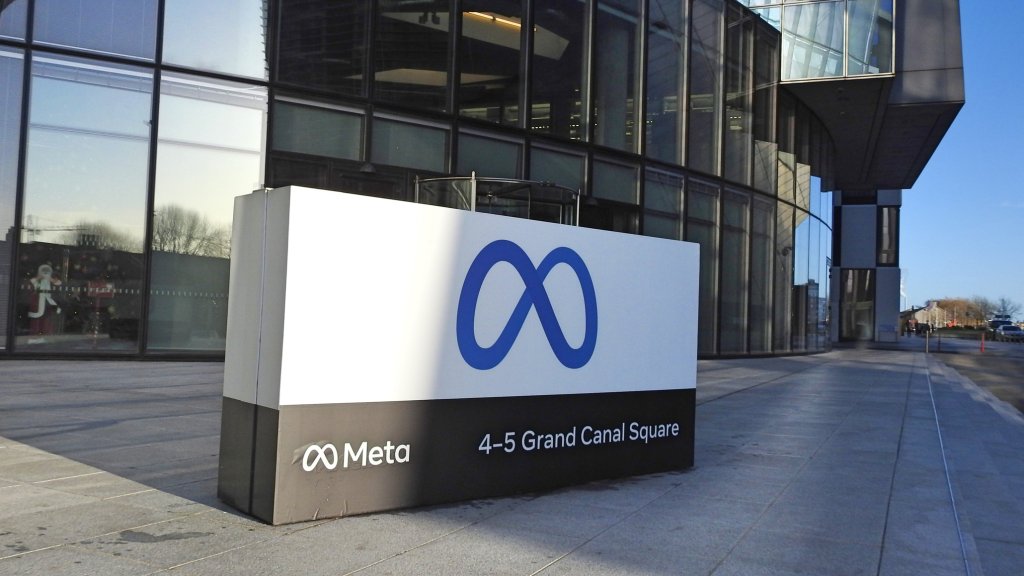
US technology company Meta is facing criticism over payments to controversial Facebook accounts. According to a joint investigation by Uncloseted Media and the non-profit newsroom The 19th, at least 29 profiles that have previously spread anti-LGBTQ+ content are taking part in the company's payment programme. The beneficiaries include well-known right-wing influencers and individuals who have attracted attention for their extremist views.
Key points at a glance
- Controversial payments: according to the investigation, Meta pays at least 29 Facebook accounts that have attracted attention for anti-LGBTQ+ statements.
- Political disinformation: some of the paid influencers are spreading misleading claims and conspiracy theories ahead of the US midterm elections.
- High earnings: content creators can earn five- to six-figure dollar sums each month through the monetisation programme.
- Despite official bans, extremist accounts and political party pages are also reportedly benefiting from the programme.
- A complaint has already been filed against Meta in the EU over alleged breaches of the Digital Services Act.
Disinformation ahead of elections
The findings are particularly concerning in light of the upcoming midterm elections in the United States. Alongside attacks on LGBTQ+ people, some of the accounts also spread false political information. Critics accuse Meta of using its payment system to make precisely the kind of content that provokes outrage and social conflict financially attractive. One example is far-right influencer Chaya Raichik, known as “Libs of TikTok”. In mid-September, she attacked Mercer Island High School in the US state of Washington on Facebook because the school was displaying a Pride flag. “Hey Mercer Island High School, why does your profile picture show a mutilation flag?” Raichik wrote. She tagged the school's Facebook account and posted a photograph of its entrance.
Facebook attracts influencers
The payments are made through the “Facebook Content Monetization” programme, which Meta introduced in 2024. Participation is by invitation only. The company aims to encourage more people to publish content regularly on Facebook. The social network faces competition from newer platforms and is struggling with an ageing user base. Financial incentives are therefore intended to keep successful content creators using Facebook.
The payments can be substantial. In the very first year, participants reported significant increases in their earnings. Some described Facebook as now being their most lucrative platform. One content creator told industry magazine The Hollywood Reporter that she regularly earned between US$20,000 and US$30,000 a month. Another participant reported that his monthly earnings frequently reached six figures. However, the programme has faced growing criticism. In August, Australian broadcaster ABC reported that Meta had also invited accounts spreading neo-Nazi ideologies to participate.
Millions of accounts earn money
For their investigation, the two newsrooms used data from Dutch non-profit organisation What To Fix (WTF). It focuses on the accountability of technology companies and runs the Meta Monetization Archive. The database contains information about accounts participating in the payment programme, based on information published by Meta. Since the programme launched two years ago, WTF has identified more than 18 million participating accounts.
Belén Luna Sanz, head of policy at WTF, is particularly critical of the lack of transparency. She said it was almost impossible to establish the criteria Meta used to invite accounts to participate. She described the programme's introduction as “reckless”. Sanz also sees it as a fundamental change in social networks' business model. In the past, she said, companies had often paid content creators directly for advertising, while platform operators such as Meta received a share of the revenue. Now, the platforms collect the advertising revenue themselves and then pay the content creators. “You now only receive payments whose size depends on how much engagement your content generates,” Sanz explained.
Outrage and disinformation
Critics see this as an incentive to publish particularly provocative content. Posts that trigger strong emotional reactions are frequently commented on and shared. Hong, one of the investigation's authors, stressed: “We know that things that make people really angry generate a great deal of engagement. We also know that disinformation and misinformation generate a lot of engagement too. Meta is at a crossroads. One path leads to morality, ethics and the well-being of society and democracy. On the other path lies an enormous pile of money.” Radsch, another expert quoted in the report, also criticised the combination of algorithmic distribution and financial incentives. “The amplification and enabling of harassment campaigns, as well as the promotion of fringe conspiracy theories through algorithmic selection and monetisation opportunities, have led to an erosion of democracy in America.”
Meta's policies
Under Facebook's official monetisation policies, content may be excluded from payments if it addresses contentious social issues in a polarising or inflammatory way. These include ethnicity, religion, sexual orientation and political affiliation. However, Uncloseted Media's investigation uncovered numerous examples of posts that appear to breach these rules. For example, “Libs of TikTok” called the organisers of an LGBTQ+ Pride event “sick, sick freaks”. In other posts, Raichik accused LGBTQ+-friendly teachers of wanting to “indoctrinate your children”. She also referred to an alleged “LGBTQ+ groomer cult”.
Meta says it also prohibits the monetisation of misinformation. Under its policies, this means content rated as false by independent fact-checkers. However, the company ended its collaboration with external fact-checkers last year. It therefore remains unclear how the ban is supposed to be enforced now. Experts quoted in the report consequently believe that changes to social networks' algorithms and payment systems are necessary. So far, they say, the commercial success of content has primarily been assessed on the basis of its reach and the engagement it generates, whereas its impact on society should also be taken into account.
EU complaint with consequences
While legislation protects Meta from numerous lawsuits in the US, other legal avenues could emerge in Europe. In 2022, the European Union adopted the Digital Services Act (DSA). Among other things, it requires large online platforms such as Facebook to limit risks and potential harm caused by the content they distribute. Last month, What To Fix filed a complaint against Meta in European courts. It concerns the monetisation of eleven accounts sanctioned by the EU for their alleged involvement in pro-Russian propaganda campaigns. In WTF's view, Meta thereby breached its risk-mitigation obligations under the DSA.
Belén Luna Sanz sees the case as a possible starting point for tighter future oversight of financial support for problematic content. “The monetisation of content creators is an area that has received very little scrutiny so far,” she explained. The EU already has legal tools that could enable platforms to be held more accountable, she said. However, the discussion also needs to extend to other countries. For now, it remains unclear whether Meta will tighten its payment rules or review individual accounts' participation.








