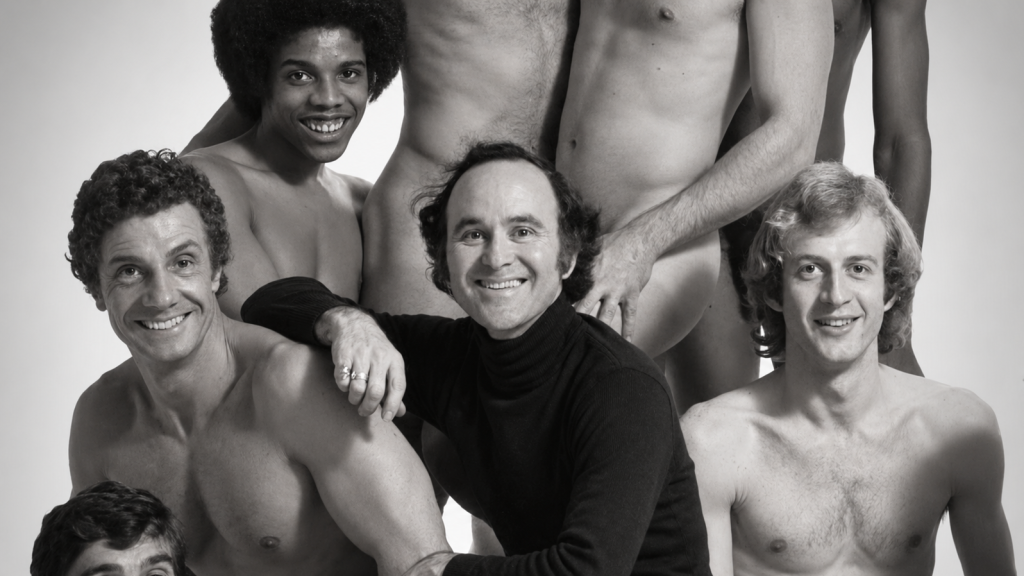
Even as a child, Keri Pickett found her uncle Roy a fascinating figure. Roy Blakey (1930–2024) was rarely at home, travelling the world as a professional figure skater and leading a life of which his niece long knew only part. It was only years later that Pickett discovered that, alongside his career on the ice, her uncle had created a significant body of photographic work – and was regarded as “one of the grandfathers of gay photography”.
The key points at a glance
- Roy Blakey was a professional figure skater in the 1950s and 1960s, performing in shows including “Holiday on Ice”.
- After his figure-skating career, Blakey worked as a photographer in New York, taking portraits of figures including Bette Midler and Divine.
- His niece, filmmaker Keri Pickett, only learnt years later that Blakey was regarded as “one of the grandfathers of gay photography” for his erotic photographs of men.
- Blakey’s images, taken in Manhattan and on Fire Island, depicted gay life, male bodies and sensuality with unusual openness. His photography book “He” was published in 1972.
- In her documentary “Uncle Roy”, Pickett tells the story of Blakey’s life while trying to find a permanent home for his photographic and historical legacy.
A passion for the camera
Now Pickett tells this story in her documentary “Uncle Roy”. The film is at once a personal portrait, a record of gay history and an account of the attempt to preserve Blakey’s extensive life’s work for future generations. In the 1950s and 1960s, Blakey travelled the world as a professional figure skater. His performances included appearances in the then-popular “Holiday on Ice” shows. During those years, he developed two passions that would shape his later life. Blakey began collecting posters, costumes and other memorabilia from the shows in which he performed. Over the decades, this grew into an extraordinary private collection, described as the world’s largest archive of theatrical ice skating. His second passion was the camera.
Colleagues become photographic models
Initially, Blakey photographed other figure skaters and performers from his professional circle. After retiring from skating, he moved to New York City and set up his own studio. At first, his friends posed for him. Over time, Blakey also photographed numerous celebrities, including Bette Midler and Divine. His niece Pickett later followed a similar path. After graduating from college, she too wanted to become a photographer and went to New York to live with her uncle. The two became closer than ever during this period. Even so, Pickett was still far from knowing every aspect of his life and work.
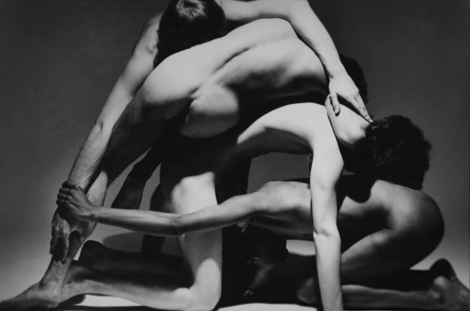
That changed only many years later. Pickett visited an art gallery and discovered a collection of erotic photographs of men. Beneath the pictures was a familiar name: Roy Blakey. Only then did she realise the scope of a body of work that had earned her uncle a distinctive place in gay photography. New York Times photography critic Gene Thornton once described Blakey’s achievement as transforming the young male body “into an aesthetic rather than a sexual object”. Blakey’s pictures were taken in locations including his Manhattan studio and Fire Island. His photographs depicted gay life, male physicality and sensuality with unusual openness for their time.
Between galleries and subculture
The photographs appeared in magazines including Mandate and After Dark. Blakey’s work was shown both in prestigious galleries and in gay subcultural venues – including New York’s notorious gay Continental Baths. In 1972, he also published his own photography book, “He”. For Pickett, discovering this side of her uncle did not create distance between them. On the contrary: the more she learnt about his work, the closer she felt to him. His collections eventually also became the starting point for her own work as a filmmaker.
In 2013, Pickett released her first feature-length film, “The Fabulous Ice Age”. She drew on Blakey’s extensive private collection for the documentary. The film tells the story of an era when lavishly produced ice-skating shows were among the world’s most popular forms of entertainment. But while Blakey’s archive was being explored on film for the first time, his personal life was changing. As he approached 90, he increasingly showed signs of dementia. Pickett eventually became her uncle’s full-time carer.
A race against forgetting
As she cared for him, Pickett felt an increasing urgency to safeguard Blakey’s entire body of work. This was no longer just about his extraordinary archive documenting the history of ice shows. The photographs of gay men taken over decades also needed to be preserved. For Pickett, they are not merely works of art, but also records of gay history. This is precisely where her new film “Uncle Roy” begins. In it, Pickett portrays her lifelong hero while documenting her search for a suitable permanent home for his extensive archives. The film traces Blakey’s life as a pioneering gay artist and performer. At the same time, it explores caring for older people and the question of how LGBTQ+ history can be preserved before personal memories, documents and artworks are lost.
Premiere in New York
For Pickett, the film is also a deeply personal project. “With Uncle Roy, I am opening my heart in a way I have never done before,” she explained ahead of the film’s presentation at NewFest. The final years she shared with her uncle are especially important to her. “This film intimately documents the beautiful final years of our life together.” The fact that Uncle Roy is now being shown in New York has added significance for the director. After all, that was where Blakey’s second major career began after figure skating. “I could not be more excited and proud to present the film at NewFest in New York City, where Roy began his professional photography career, which brought the LGBTQ+ community into the light.” Following its international premiere, the documentary is now on the programme at several film festivals this October. It is also available to stream through the festival’s virtual platform from yesterday until 30 October. Another screening will follow on 30 October at the SCAD Savannah Film Festival. A possible further collaboration with a major streaming service is in the works.








