
A favourite song, the people in our lives and memories that truly reflect who we are: helping to shape our own farewell can do a great deal for us and our loved ones. For the LGBTQ+ community, it is also about visibility and chosen family.
Which song should play as the doors to the funeral hall open? Perhaps the very one we used to dance to until morning. Perhaps there should be a shared meal afterwards, with stories everyone can laugh about once more. Thinking about our own farewell can have a surprising amount to do with life. With what makes us who we are. And with the people who belong in our lives.
Preserving your own story
For some, that includes a rainbow flag; for others, a photograph with their long-term partner. Others want a quiet ceremony without grand speeches. What matters is that their personal story remains recognisable. Even a relationship that was never allowed to be taken for granted within someone's family of origin should be able to have its place in the farewell.
That is precisely why it is worth having a conversation while you are alive. Who do I consider family? Who should speak, and who should be invited? Which memories should live on? Questions like these make wishes tangible. They can also prevent those close to you from having to guess later what would have been right.
Wishes need to be recorded
A funeral directive allows you to put your wishes for your burial or cremation and funeral ceremony in writing. These include your preferred type of funeral, music, clothing and personal rituals. The person you want to take care of the farewell should also be explicitly named. Anyone wishing to appoint someone from their chosen family should seek professional advice to ensure the arrangements are legally sound.
The directive should be dated, signed and easy to find at short notice. People you trust need a copy, or at least to know where it is kept. Such wishes should not appear only in your will: by the time its contents become known, important funeral decisions may already have been made.
What fits my life?
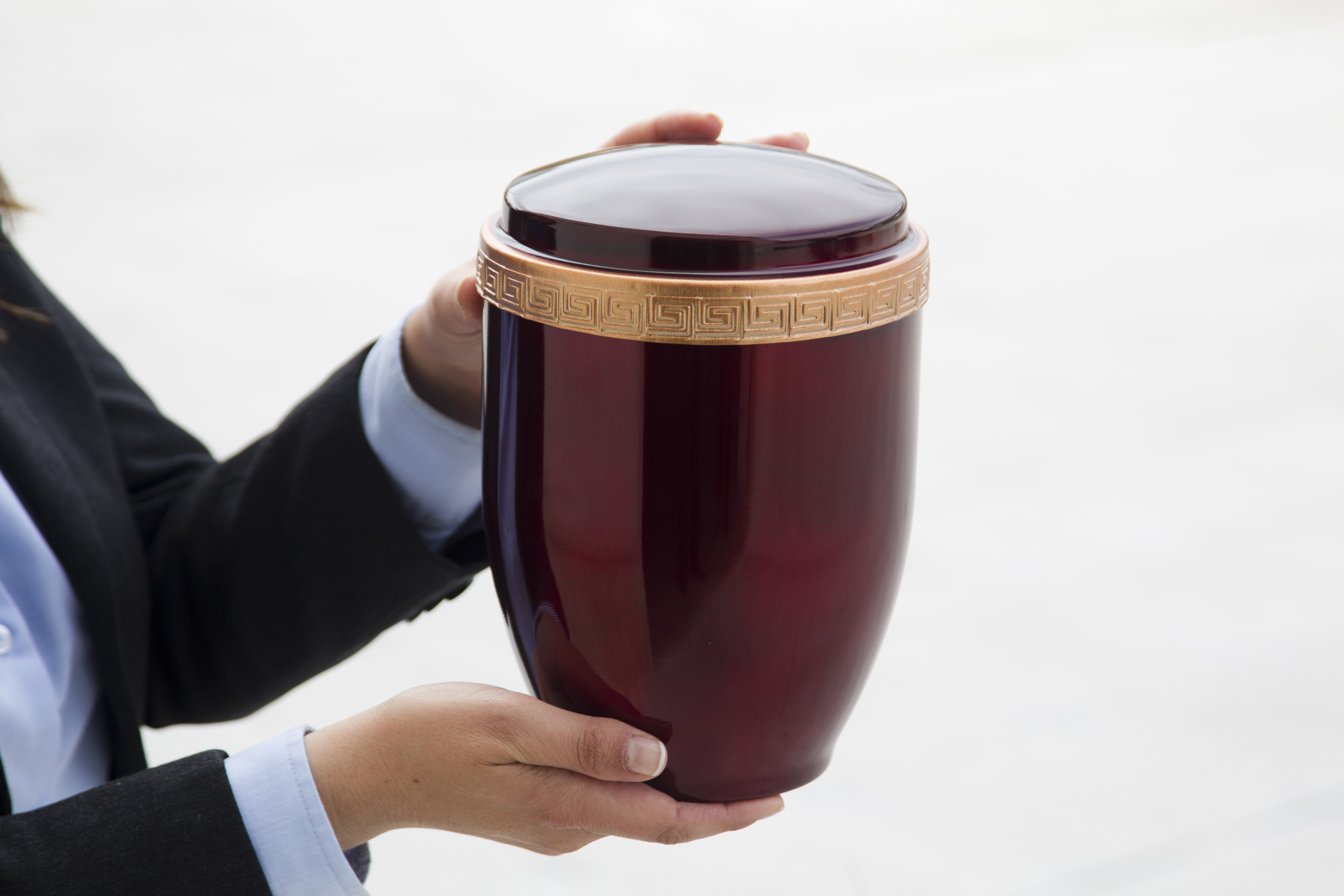
A conversation with a funeral director helps bring your wishes and the available options together. What forms of burial or cremation are available locally? Is there a place friends can reach easily? Who could look after a grave later on? How partners and chosen families are treated should also be part of the first conversation. It is worth noticing whether the funeral director listens attentively and makes room for personal wishes as a matter of course.
A clear breakdown of costs is just as important. In addition to the company's services, there may be charges for cemetery fees, a memorial and grave maintenance, for example. Comparing quotes early gives you time to decide without pressure. A funeral directive alone does not pay for the farewell. A pre-arranged funeral contract can set out services and funding; if paying in advance, you should check how the money is protected.
No one has to settle every detail. Perhaps all you know at first is which people absolutely must be there. That, too, is a start. An open conversation can spare loved ones the worry of getting something wrong at such a painful moment later on. And it creates space for a farewell that feels familiar.
The time afterwards can also be discussed. Will those left behind need a fixed place to remember you? Would they like a shared ritual on your birthday? These things can be discussed without grieving in advance. Sometimes it is only then that differences in people's needs become apparent. Knowing about these differences can help everyone find a way forward they can live with.
For your planning folder
Write down your wishes for your burial or cremation and funeral ceremony. Name someone you trust and agree their role with them. Note where important documents are kept, along with any existing funeral planning contracts. Tell your loved ones where to find everything. Review the details occasionally: relationships and wishes can change.
Further information: Planning ahead for your funeral: directives and contracts, from the Verbraucherzentrale.