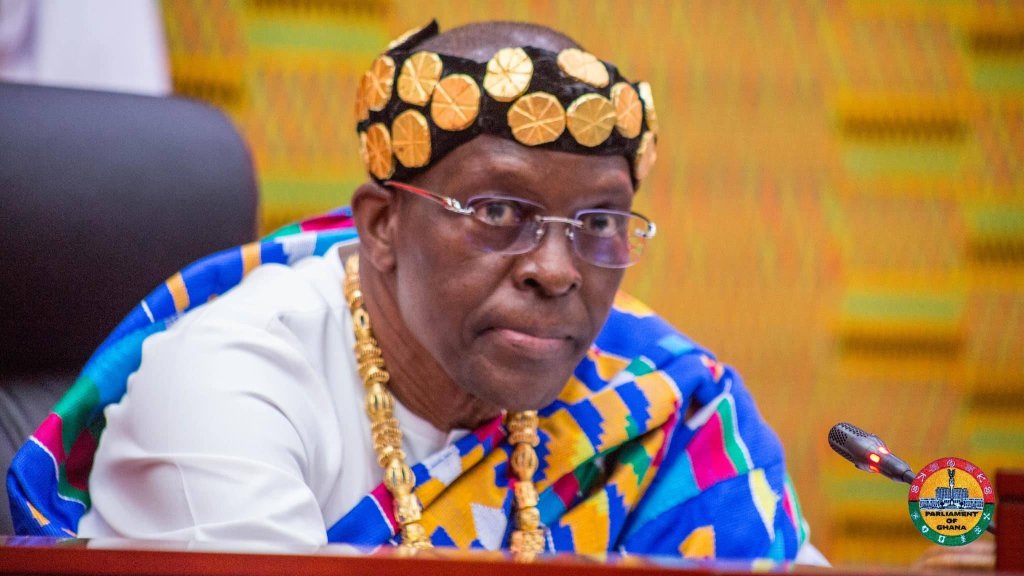
In Ghana, the future of a sweeping bill targeting LGBTQ+ people remains uncertain (German). Although Speaker of Parliament Alban Bagbin has now acknowledged significant flaws in the legislative process, he remains committed to its planned passage. For the West African country's gay population, renewed deliberations could bring additional risks: human rights organisations fear that the already draconian penalties could be tightened further.
Key points at a glance
- Errors in the bill acknowledged: Ghana's Speaker of Parliament Alban Bagbin has confirmed that the controversial anti-LGBTQ+ bill was passed hastily and contains errors.
- Bagbin wants the bill to be reconsidered and then pushed through. President John Mahama has so far neither signed it nor explicitly rejected it.
- Fears of harsher penalties: opponents of LGBTQ+ rights have criticised earlier concessions. As a result, fears are growing in the gay community that parliament could tighten the provisions again.
- The bill provides for up to three years in prison for people who identify themselves as LGBTQ+. Same-sex weddings and gender-affirming surgery would also be criminalised.
- Mandatory reporting planned: anyone who fails to report prohibited LGBTQ+ acts to the authorities could also face a prison sentence.
Errors in the bill
At the centre of the debate is the so-called “Human Sexual Rights and Family Values Bill, 2025”. Among other provisions, the bill would impose prison sentences on people who identify as LGBTQ+, enter into a same-sex marriage or support certain forms of LGBTQ+ activism. Although parliament passed the bill in late May, it has not yet come into force. President John Mahama has neither signed it nor explicitly rejected it. Meanwhile, further parliamentary proceedings have stalled. According to LGBTQ+ human rights organisation Rightify Ghana, Bagbin has now acknowledged that MPs were too hasty in their handling of the bill. At a conference held by the Institute of Public Relations in eastern Ghana, the Speaker criticised the legislative process. He said the bill had been passed at the last minute and without his involvement.
He said this had made it difficult to scrutinise the provisions properly. Subsequent reviews had identified several errors resulting from last-minute changes to the text. “We have identified some errors that arose from the last-minute amendments. That is why, at the next sitting, we will return to a second reading and pass the bill,” Bagbin explained. The Speaker is therefore not questioning the fundamental aim of the legislation. Rather, he wants to correct the passages at issue and then put the bill to another vote. When this will happen remains unclear, however. Bagbin had previously announced such deliberations for July and then for August. Both dates passed without the promised reconsideration taking place.
Dispute over tougher provisions
The delay is causing unease on both sides of the public debate. Particularly staunch opponents of LGBTQ+ rights complain that amendments before the vote in May weakened the original bill. LGBTQ+ people and their supporters therefore fear that renewed deliberations might not simply address procedural errors. Instead, MPs could try to toughen penalties that had already been reduced. It is not yet known what changes are actually planned.
Bagbin himself is calling for the legislation to be treated as a matter of national importance. Given what he sees as its great significance for society, he says a national consensus should be reached rather than making the bill a subject of party-political disputes. He leaves no doubt about his goal: as long as he has influence over parliamentary proceedings, the legislation will remain a priority. Despite opposition to the bill, he says it should ultimately become law.
Wide-ranging prison penalties
The potential consequences for gay and queer people would be considerable. In the version passed by parliament, the bill provides for up to three years in prison for people who publicly identify as LGBTQ+ or otherwise make themselves known as such. However, the bill does offer one way to avoid a prison sentence: those affected could undergo conversion therapy aimed at changing their sexual orientation or gender identity. Such practices are rejected by numerous medical and psychological professional organisations because they are based on the idea that homosexuality can or must be changed.
The planned prohibitions extend far beyond publicly identifying as LGBTQ+. Under the bill, people who undergo gender-affirming surgery could also face a three-year prison sentence. People who enter into a same-sex marriage would likewise be punished. Another provision is particularly far-reaching: not only the marriage itself, but even attending a same-sex wedding celebration could be punishable by three years in prison. The threat of punishment would therefore also extend to people attending such a celebration as guests.
Another key focus of the bill is support for LGBTQ+ activities. The “funding, promotion or support” of such activities would be prohibited. The bill provides for prison sentences of between three and five years for violations. These provisions could have particular implications for organisations that advocate for LGBTQ+ people's rights or support related projects. There is also a planned legal duty to report offences. Under this provision, prohibited LGBTQ+ acts would have to be reported to the police or other competent authorities. Anyone who fails to comply could themselves face up to three years in prison.
Existing criminal laws to remain
Same-sex sexual acts are already criminalised in Ghana. Current legislation provides for prison sentences of up to three years. The new bill would not abolish or replace this provision. Instead, the existing ban would remain and be supplemented by further criminal provisions. Whether all the provisions will remain in this form is currently unclear.








