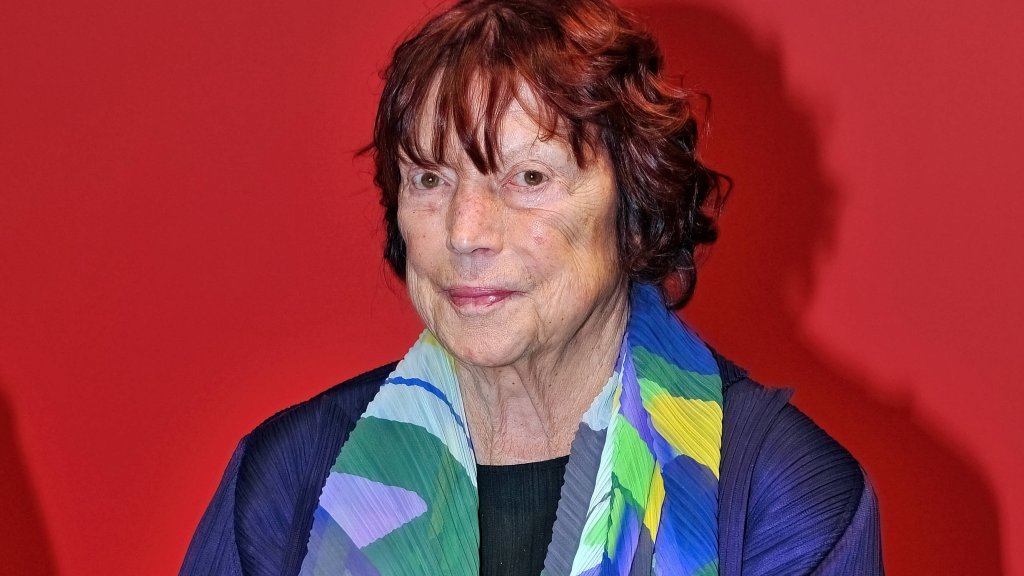
She was behind “Weissensee”, “Familie Bundschuh” and more than 500 film and television productions: Regina Ziegler has died. The producer died in Berlin on 1 November at the age of 82. This was also confirmed by the Berlin Senate Chancellery. ZDF is changing its schedule today to remember a woman who helped shape German television over several decades.
The key points at a glance
- Regina Ziegler died on Sunday, 1 November 2026, aged 82.
- On Monday evening, ZDF will show “Familie Bundschuh” in her memory.
- “Fabian”, “Kommissarin Heller” and “Die Holzbaronin” are also part of the announced tribute programming.
An evening of television for Regina Ziegler
As ZDF announced in its statement on the producer’s death, “Familie Bundschuh – Bundschuh gegen Bundschuh” has been added to today’s schedule at 8.15pm. “Fabian” will follow at 12.15am on Tuesday. Repeats of “Kommissarin Heller” and “Die Holzbaronin” are also planned for later in the week.
The broadcaster has lost a long-standing partner. Director-General Norbert Himmler paid tribute to her lifetime of creative and entrepreneurial achievement; Director of Programmes Nadine Bilke highlighted her importance as a role model for women in the industry.
Courage in a male-dominated industry
Ziegler was born on 8 March 1944 and founded her own production company in the early 1970s. From 2000, she ran the company jointly with her daughter Tanja. Most recently, her name was behind Volker Schlöndorff’s “Heimsuchung – eine Jahrhundertgeschichte”, which is currently showing in cinemas.
Berlin paid particular tribute to her role in establishing West Berlin as a centre for film production. It credited persistence, creativity and entrepreneurial courage with opening her path into an industry then dominated by men. Her work ranged from cinema releases to series that reached audiences of millions.
A connection with Rosa von Praunheim, too
Ziegler learnt her craft at the broadcaster Sender Freies Berlin and as a production assistant to filmmaker Rosa von Praunheim, among other places, as MDR reports in its obituary. Her story thus also leads into the heart of German queer film history. In forging her own path, she combined artistic ambition with a feel for television entertainment with broad appeal.
You can find more stories about film, television and the people who shaped them in our Cinema and Media sections.








