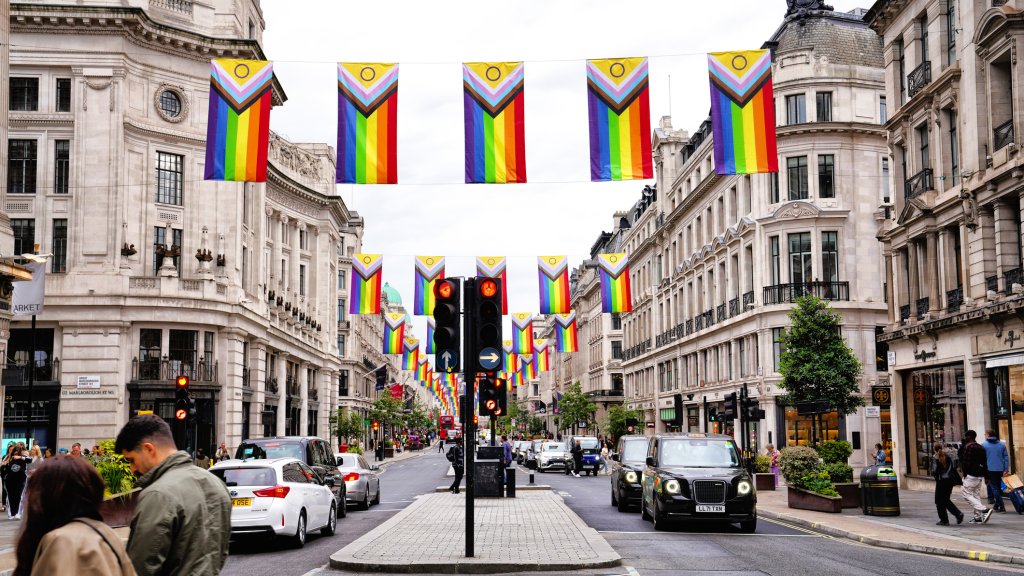
Nearly half of LGBTQ+ people in the UK perceive growing social acceptance. At the same time, a majority are concerned about the future of their rights. These are findings from the new report “LGBTQ+ Life in the UK: 2026” by the British organisation Stonewall.
Key findings at a glance
- Acceptance: 48 per cent of respondents see progress over the past ten years, while 32 per cent see a deterioration.
- Concerns for the future: Only 24 per cent are optimistic. Among trans people, 80 per cent are pessimistic about the future.
- Discrimination: Queer people in particular report disadvantages in everyday life and healthcare.
- Work: For 69 per cent, sexual orientation or gender identity plays a role in choosing an employer.
- Retirement provision: 55 per cent have doubts about their financial security in retirement.
Fear of the future
The survey, conducted through polling company YouGov, examined the living conditions of lesbian, gay, bisexual, trans and queer people. It focuses on equality, social belonging, safety, healthcare, work and future prospects. The report builds on the “LGBT in Britain” studies published between 2018 and 2020 and includes people of different sexual orientations and gender identities.
According to the findings, 48 per cent believe that acceptance of LGBTQ+ people has increased over the past ten years. By contrast, 32 per cent perceive a deterioration. Among trans people, this figure is 58 per cent. The introduction of same-sex marriage is seen by 20 per cent as a significant step forward for equality. Yet only 24 per cent expect positive developments in LGBTQ+ rights. Half of respondents are pessimistic. Among trans people, this figure reaches 80 per cent. Those aged 18 to 24 are particularly sceptical. People aged 65 and over, by contrast, take a comparatively optimistic view of the future.
Family remains an important source of support
The study reveals marked differences in how open people are about their sexual orientation or gender identity. Of the lesbian, gay and bisexual respondents, 67 per cent are fully or partly open about it within their families. In Wales, this figure is higher than in other parts of the country, at 75 per cent. Among bisexual people, the figure is 56 per cent. Of the trans respondents, 52 per cent are open about their gender identity within their families. With friends, the figure is 85 per cent. Among non-binary people, the proportion who are open with their families is 40 per cent. Of the lesbian, gay and bisexual people who are open with their families, 93 per cent feel accepted. According to Stonewall, there is a close link between openness, experiences of acceptance and personal wellbeing.
Discrimination in everyday life
Despite legal progress, hate crime remains a problem. Official police data show that very large numbers of offences motivated by sexual orientation or gender identity continue to be recorded in the UK (German). Their number is higher than it was five years ago. At the same time, a substantial proportion of such incidents go unreported. Respondents particularly frequently report discrimination on public transport, in hospitality venues, and in shops and shopping centres. Trans people are particularly frequently affected across all the areas examined. These also include looking for housing, educational institutions and religious institutions. In addition, 19 per cent of all respondents report verbal harassment or intimidation. Twelve per cent have experienced sexual harassment. Women are more frequently affected by sexual violence and harassment than men. Of the women surveyed, 18 per cent report sexual harassment, ten per cent unwanted sexual touching and three per cent sexual assault.
Problems when visiting the doctor
Differences are also evident in healthcare. For appropriate treatment, it can be important for doctors and medical staff to know their patients’ sexual orientation or gender identity. Nevertheless, 20 per cent of LGBTQ+ respondents say they are barely open, or not open at all, about this with healthcare professionals. Among gay men, 85 per cent speak openly about their sexual orientation, compared with 80 per cent of lesbian women. Among bisexual men, the figure is 68 per cent, and among bisexual women, 64 per cent. Overall, 89 per cent of lesbian, gay and bisexual people feel that medical staff accept their identity. Among trans people, the figure is 74 per cent. Ten per cent of all LGBTQ+ respondents report difficulties accessing healthcare because of their sexual orientation or gender. Among trans people, this figure is 33 per cent.
Acceptance and choosing a job
For many respondents, their identity also plays a role when looking for a job. Some 69 per cent take aspects of their sexual orientation or gender identity into account. Forty-nine per cent want to be able to be open about their sexual orientation at work and value transparent equality policies. For 35 per cent, visible inclusion of LGBTQ+ people on the company website is important. Thirty per cent look for LGBTQ+ people in leadership positions, and the same proportion look for company management’s involvement in diversity, equality and inclusion networks.
For trans people, other requirements are particularly important. Seventy per cent value being addressed by their correct name and pronouns. Sixty-eight per cent want to be able to live openly in their gender identity at work. Transparent equality policies are cited as an important criterion by 67 per cent. For 63 per cent, being able to wear clothes that reflect their gender identity matters. A further 60 per cent want to be able to be open about their sexual orientation.
Having children and growing older
Alongside discrimination and career prospects, the report examined family planning and financial security. It found that 57 per cent of the LGBTQ+ people surveyed do not plan to have children. Among those who do want children, however, many see significant obstacles. Twenty-four per cent consider fertility treatments, such as in vitro fertilisation (IVF), too expensive. A further 13 per cent consider the eligibility criteria set by the UK’s National Health Service (NHS) too strict. Lesbian couples in particular often have to bear additional costs. Retirement provision is also a concern. Fifty-five per cent of all respondents are not confident that they will be financially secure in retirement.








