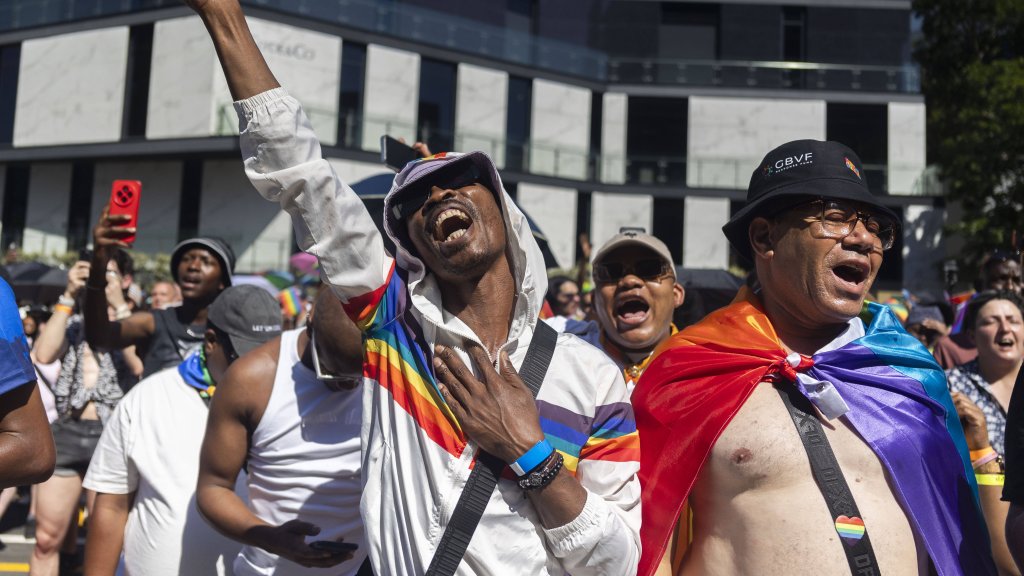
Thousands of people in South Africa demonstrated for the rights and visibility of the LGBTQ+ community with rainbow flags, music and striking costumes. Last weekend, Johannesburg's financial and business district of Sandton was transformed into a large Pride celebration.
Key points at a glance
- Large Pride parade: Thousands of people celebrated the diversity of the LGBTQ+ community in Johannesburg's Sandton district.
- Political protest: Alongside the celebrations, the focus was on growing restrictions on LGBTQ+ rights worldwide.
- Prominent support: South African Deputy Minister Mmapaseka Steve Letsike and well-known drag performers led the parade.
- A pioneer in Africa: South Africa has explicitly protected sexual orientation in its constitution since 1996 and has allowed same-sex marriage since 2006.
- Persistent problems: Despite legal equality, discrimination, social exclusion and violence remain widespread.
Political demands
Johannesburg Pride is one of the oldest and most significant LGBTQ+ events on the African continent. People from different parts of South Africa, as well as international visitors from Africa and Asia, took part in the parade. Alongside the exuberant atmosphere, political demands shaped the procession. Many participants expressed concern about growing restrictions on LGBTQ+ rights in various countries. The event thus combined a celebration of social achievements in South Africa with solidarity with LGBTQ+ people facing increasing hostility and state restrictions elsewhere.
Costumes and clear messages
The streets of Sandton were a colourful sight. Participants wore glittering clothes, elaborate make-up, striking hairstyles and rainbow-coloured accessories. Extravagant costumes and drag performances were also part of the street scene. For many visitors, it was not just about entertainment, but about the opportunity to express their identity publicly and without fear of judgement. Pride participant Kingsley Carrington explained to the local newspaper Sandton Chronicle what the event meant to him: “It means freedom. It means not having to apologise for who you are!” With large black feathered wings and gold body paint, he was among the most strikingly dressed people there.
Deputy minister and drag stars
The march made its way through the streets of the business district. Pride participants sang, danced and chanted slogans calling for equal rights and social acceptance. Leading the parade were drag performer Grand Marshal Adam and Mmapaseka Steve Letsike, South Africa's Deputy Minister of Women, Youth and Persons with Disabilities. Letsike is also a well-known LGBTQ+ activist who has campaigned for equality and political representation for many years. Alongside drag performers and activists, numerous LGBTQ+ organisations and people from different sections of society took part in the event. Despite the high temperatures, the mood remained exuberant throughout the procession.
During and after the parade, visitors could continue celebrating in the so-called Pride Village on Katherine Street. The festival site featured several stages with music, DJ sets, drag shows and other entertainment. LGBTQ+-friendly businesses and organisations also presented their work at information and sales stalls. Food and drink were available too. Many visitors took the opportunity to meet friends, make new connections and learn about the work of various initiatives.
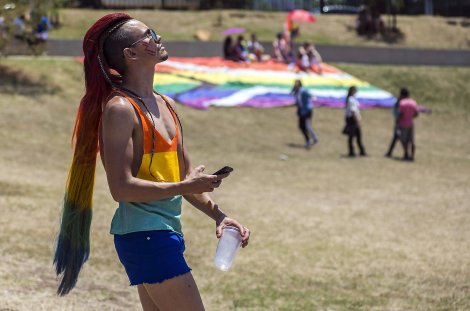
Pride has a long history
Johannesburg Pride has a history stretching back decades. The first parade took place in October 1990, as South Africa was transitioning from the apartheid system to a democratic society. The event developed into an important platform for LGBTQ+ visibility and equality. The movement was particularly significant for black LGBTQ+ South Africans, who faced both racial discrimination and homophobia. In the years that followed, South Africa became a legal pioneer for gay rights on the African continent. With the constitution adopted in 1996, it became the first country in the world to explicitly prohibit discrimination on the grounds of sexual orientation in its constitution.
Another step followed ten years later: in 2006, South Africa became the first African country to legalise same-sex marriage. To this day, it remains the only country on the continent where same-sex couples can marry. Johannesburg Pride also has significance beyond the country's borders. While same-sex relationships are criminalised in numerous African countries or LGBTQ+ people face severe restrictions, South Africa offers comparatively extensive legal protections. The participation of international visitors from Africa and Asia underlined the event's importance as a place for connection and solidarity.
Violence remains a reality
Despite this legal progress, daily life for many LGBTQ+ people in South Africa remains difficult. According to activists, discrimination, social prejudice and violence remain significant problems. Social acceptance is not universal, particularly outside the major cities. Even in Johannesburg, not all LGBTQ+ people can live openly in their everyday lives. In coverage of this year's Pride, local media reported on participants who do not feel safe or free enough to speak openly with their families about their sexual orientation or gender identity.








