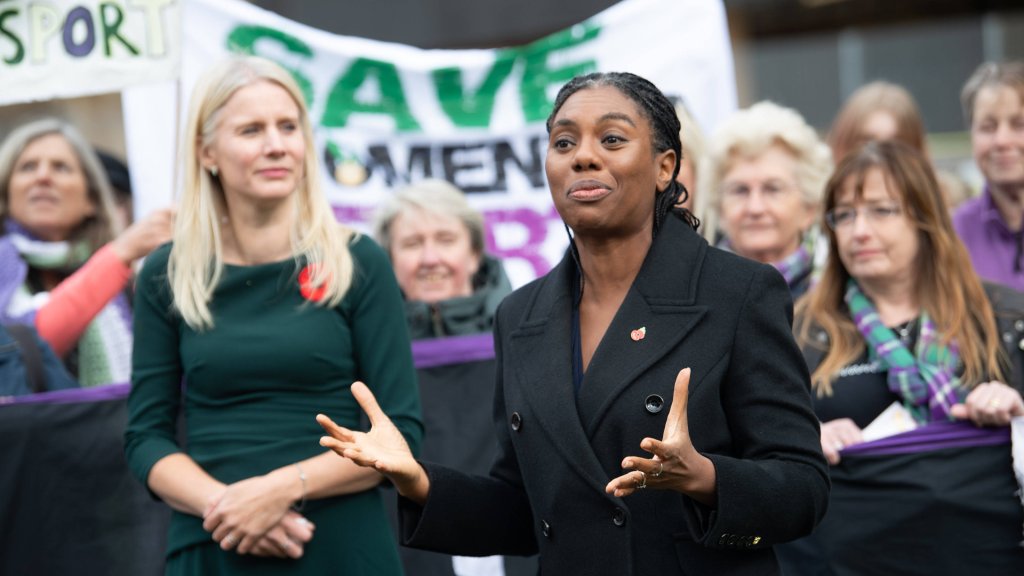
In Britain, the planned legal ban on conversion therapy (German) has sparked a political clash. Conservative opposition leader Kemi Badenoch has accused the Labour government of interfering in parenting and creating unnecessary legal uncertainty with its bill. The government rejects these accusations and stresses that the proposal is intended to protect LGBTQ+ people from coercion and abuse.
Key points at a glance
- Sharp criticism: British opposition leader Kemi Badenoch describes the planned ban on conversion practices as “unworkable” and a “waste of time”.
- Warning of arrests: Badenoch claims the law could lead to parents being prosecuted for bringing up their children.
- Government disputes claims: The Labour government stresses that ordinary parenting and open conversations about sexuality and gender identity should remain possible.
- Protection for LGBTQ+ people: The bill aims to prevent practices intended to change or suppress sexual orientation or gender identity.
Risks for parents?
At a defence policy event aboard HMS Wellington, Badenoch criticised the bill as “unworkable” and a “waste of time”. She also warned of possible criminal consequences for parents. “This Labour government is a student union government. All the silly ideas they wasted their time on, they are now trying to implement. They don’t know how to improve people’s lives. This proposal will lead to parents being arrested for bringing up their children,” Badenoch said. The Conservative Party leader sees the proposed legislation as an unnecessary expansion of state interference in family matters. The government counters that ordinary conversations between parents and children are not intended to fall within the planned ban.
Existing laws
In her criticism, the opposition leader referred to her experience as equalities minister in the previous Conservative government. She said she had already examined legislative proposals of this kind at the time and identified significant problems with implementing them. “I looked at this bill when we were still in government. It is unworkable,” Badenoch reiterated. In her view, sufficient legal powers already exist to protect particularly vulnerable people from abuse and discrimination. She therefore considers an additional law unnecessary.
As early as March 2023, while in government, Badenoch had given evasive answers to questions about a specific timetable for banning conversion therapy. At the time, she stressed that any such legislation would have to be “legally robust”. She has now reaffirmed her fundamental concerns. Badenoch is particularly critical of the possible effects on conversations within families. “The reason this is a waste of time is that it is another piece of performative legislation that will create confusion, make everything more complicated and cause us to lose our common sense. People will be afraid to talk to their children and tell them the truth. That is why we do not support what Labour is planning here.”
Protection for LGBTQ+ people
With the planned Conversion Practices Bill (German), the Labour government aims to protect people from practices intended to change or suppress their sexual orientation or gender identity. Such practices particularly target gay and trans people. They may seek to pressure those affected into denying or changing their sexual orientation or gender identity. The legal regulation of such practices has been politically contentious in Britain for years, with efforts to introduce such a law continuing for around eight years. There have been repeated debates about how to provide effective protection from coercion and abuse without restricting lawful conversations and counselling services. The current draft is intended to make this distinction possible. According to the government, the aim is not to criminalise family conversations or the ordinary upbringing of children.
Government rejects warning
A Downing Street spokesperson therefore explicitly rejected Badenoch’s account. The bill would “not affect normal parenting”, he said. Nor was the law intended to “prevent open, exploratory or challenging conversations between young people or with parents, teachers, healthcare professionals or pastoral carers”. The government is thus disputing the claim that parents could face criminal consequences simply for talking to their children about questions of sexual orientation or gender identity.
The prime minister’s spokesperson also highlighted the need to protect those affected. The aim, he said, was to protect people from practices that use pressure or abuse to change their identity. “LGBTQ+ people should never, without any exception, have to suffer coercion or abuse intended to make them change who they are,” the spokesperson said. The government is therefore placing protection from forced changes to sexual orientation or gender identity at the heart of the proposed legislation. A study in 2025 most recently confirmed the scale of the problem, finding that 31 per cent of LGBTQ+ Britons have already been subjected to conversion therapy (German).
Committee scrutinises bill
Alongside the disputes over the bill’s substance, there is now also criticism of the parliamentary process. A joint committee of both houses of the British Parliament has been established to examine the government’s bill. The committee is tasked with assessing the proposed provisions, submitting a report and recommending amendments where appropriate. However, its membership has already sparked controversy. At the centre of the dispute is the involvement of Olivia Bailey, who previously helped draft the legislation as parliamentary under-secretary of state for equalities.
Former Labour MP Rosie Duffield considers it problematic that Bailey is now also involved in parliamentary scrutiny of the draft. “The new chair of the Women and Equalities Committee is the former minister who drafted the bill. By also sitting on the scrutiny committee, she is essentially marking her own homework,” Duffield said. Her criticism calls the independence of the scrutiny into question. In her view, this dual role creates the impression that Bailey is helping to assess a law she herself helped develop. A spokesperson for the committee tasked with scrutinising the legislation defended the process. Members were appointed by both houses of Parliament and represented a range of political positions. The committee brought together people with “differing views” to examine the bill “in a balanced way” and propose amendments where appropriate, the spokesperson said. The dispute over banning conversion practices therefore looks set to continue occupying British politics for the time being.








