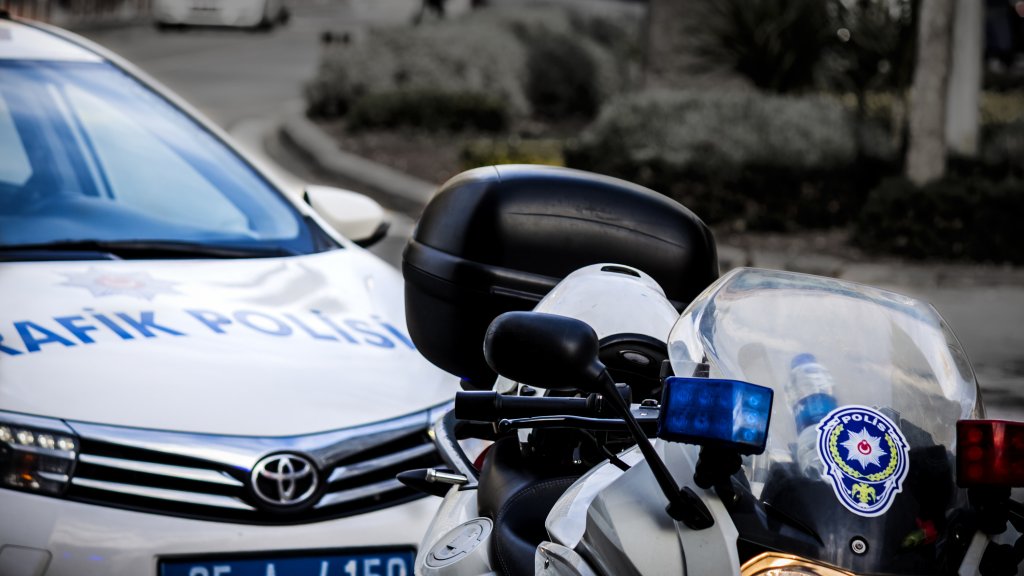
The Turkish authorities have stepped up their crackdown on LGBTQ+ people with a new series of police raids. It has now emerged that a total of 45 people were arrested in coordinated operations across seven cities last Friday. Those affected were from Ankara, Diyarbakır, Mardin, Çankırı, Istanbul, Bolu and Antalya.
Key points at a glance
- New wave of arrests: 45 people were arrested in coordinated police operations across seven Turkish cities.
- Disputed allegations: The investigations concern alleged “prostitution” and “obscenity”. Some of the accusations are based on social media posts.
- Repression since September: The authorities launched a nationwide operation against LGBTQ+ organisations and human rights activists in mid-September.
- Criticism of detention conditions: Human rights organisations report overcrowded cells, inadequate provision for detainees and degrading treatment.
- International protests: UN human rights experts and European organisations are demanding the release of those detained and an end to the state measures.
Flimsy justifications
According to the human rights organisation ILGA Europe, 19 people were remanded in custody as part of investigations into alleged “prostitution”. They include nine trans women as well as other LGBTQ+ people. Four other suspects were released under court-imposed conditions. In a second case concerning “obscenity”, ten people were released under conditions. The Turkish LGBTQ+ organisation Kaos GL published further details of the police operations. According to its account, the investigations coordinated by the Ankara public prosecutor's office actually targeted a total of 54 people, 45 of whom were arrested. The latest arrests are linked to a nationwide campaign against the LGBTQ+ community. It began in mid-September and targets associations, activists and individuals. The organisations accuse the authorities of using criminal investigations to intimidate minorities in society. Some of the allegations were based solely on social media posts.
Large-scale raids
The current measures stem from the operation “My Family Is Safe”. It began in mid-September and involved coordinated police operations against LGBTQ+ organisations, activists and facilities. Turkish Justice Minister Akın Gürlek said at the time that the investigations concerned 162 suspects, nine associations and 13 companies. The measures were linked to the “Decade of the Family and Population” proclaimed by President Recep Tayyip Erdoğan. Just hours before the police operations began, a court had ordered the blocking of numerous LGBTQ+ organisations' websites and social media accounts. Protests against the measures took shape within and outside Turkey. While Turkish security forces suppressed demonstrations at home, solidarity rallies took place in various countries.
The state interventions also prompted international human rights experts to act. In mid-October, a group of independent UN experts called for an immediate end to the operation and the release of everyone detained for their human rights work. According to the news website 76 Crimes, at least 44 human rights defenders had been arrested or detained by that point.
Social media posts
The legal justification for the latest investigations and arrests is particularly contentious. The allegations are based in part on social media posts. The public prosecutor's office claims that these posts violate “public morality”. It also claims they are directed against families, minors and young people and could promote so-called “genderlessness”. “This is no coincidence,” ILGA Europe said. The organisation describes the crackdown as targeted intimidation and also stressed: “Once again, this is an abuse of the justice system to harass, intimidate and punish LGBTQ+ people simply for existing and being visible.”
Allegations over detention conditions
Alongside the arrests themselves, reports of the treatment of those affected in police custody have drawn criticism. According to ILGA, some detainees were held in overcrowded cells. They had to share the space with people accused of theft or robbery. Provision for detainees was reportedly inadequate. According to these accounts, those affected did not receive enough food and had to use dirty blankets. Reports about hygiene conditions during the first day in custody are particularly serious.
People held in cells at the police department responsible for robbery offences were allegedly denied access to toilets. Instead, they were reportedly forced to relieve themselves in food containers. Similar allegations had already been made following the first nationwide police operations in September. At the time, activists reported conditions during arrests and detention that, in their assessment, bordered on torture. In light of the latest developments, 15 Turkish LGBTQ+ organisations have issued a joint statement of protest.
Demands from organisations
The statement is entitled “Hands off our lives, stop inventing crimes!” They demand the release of those detained, an independent review of the legality of the arrests and detention orders, and disclosure of the legal basis for digital surveillance. Their joint statement reads: “Since 12 September, operations against LGBTQ+ people and human rights defenders have continued to intensify. Invoking ‘public morality’ and the ‘protection of the family’, attempts are being made to criminalise our identities, our bodies and our lives. Our mere existence is not a crime! We are joining forces to defend our rights, our lives and one another against criminalisation, detention and arrests. We will not abandon any of our own!” The first hearing in proceedings against LGBTQ+ people is scheduled for mid-November.








