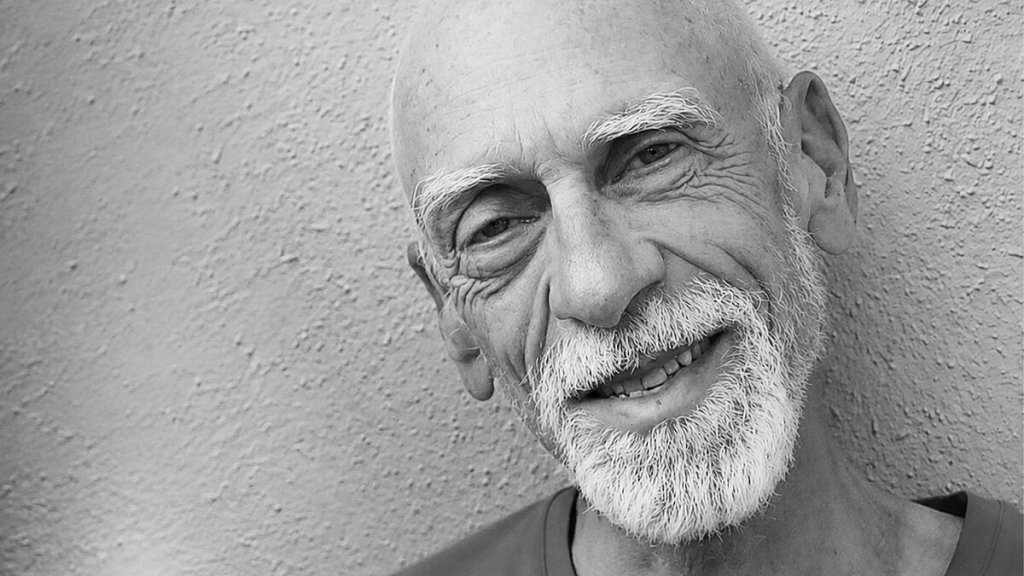
The community in North Rhine-Westphalia is mourning Michael Jähme. The long-standing gay rights and HIV activist died on 13 August 2026 at the age of 67 following a mountain accident, according to Aidshilfe NRW. With Jähme’s death, the gay rights movement in North Rhine-Westphalia has lost a committed, outspoken and influential voice, the organisation added. Over decades, he helped shape the work of Aidshilfe, self-help for people living with HIV and gay self-representation. Throughout, he consistently opposed stigmatisation and discrimination.
Key facts at a glance
- Michael Jähme died on 13 August 2026 at the age of 67 following a mountain accident.
- He was a long-standing HIV activist and a pioneer of the gay rights movement.
- He headed Aidshilfe NRW from 2000 to 2004.
- For decades, he championed people living with HIV, HIV self-help and gay self-representation.
- A key focus of his work was examining the persecution of gay men after 1945.
- His honours included the Kompassnadel des Queeren Netzwerks NRW.
- He was also repeatedly called upon to share his first-hand experiences with younger generations.
A life dedicated to self-help
Jähme worked at Aidshilfe Wuppertal for many years. In 1998, he was first elected to Aidshilfe NRW’s state executive board. Two years later, he became state chair, a position he held until 2004. During his term, the organisation developed its mission statement, among other things. The “Säge weg” campaign played a particular role. Jähme himself took a prominent public role in the campaign. In 2002 and 2003, it succeeded in averting threatened cuts to state funding for AIDS services. Jähme did not see his departure from the state executive board as a withdrawal. He continued to participate in debates about HIV, self-help, prevention, social participation and the development of the AIDS support movement.
According to Aidshilfe NRW, he repeatedly contributed as an important, if sometimes challenging, voice in discussions. His blog “Termabox” also made Jähme a widely recognised voice in self-help for people living with HIV. In 2012, Aidshilfe NRW named him its first honorary member. A different perspective on HIV and AIDS was particularly close to his heart. In his view, people living with HIV should not be defined solely by their infection. Instead, he wanted to make their different lived realities visible.
Jähme repeatedly brought different generations of people living with HIV into conversation with one another. He did not gloss over differences in their experiences and living conditions. Rather, he saw those differences as a starting point for dialogue, mutual understanding and solidarity. He also spoke openly about experiences from the early years of the HIV pandemic. These included fear, exclusion, guilt and shame, as well as self-acceptance, joy in life and the possibility of living a self-determined life with HIV.
HIV diagnosis shaped his activism
Jähme himself was diagnosed with HIV in 1990. At the time, he felt certain that he did not have long to live. Rather than withdrawing, he chose a life of active involvement in the HIV movement. Another focus of his activism was remembering the persecution of gay people in the early decades of the Federal Republic of Germany. From 2012, Jähme worked with gay men on documenting their life stories. He also wanted to strengthen their awareness of their own contribution to contemporary history.
Through the ARCUS-Stiftung, he conducted oral history interviews from 2013 onwards, documenting the life stories of gay and bisexual men. The focus was particularly on people who had also been persecuted and convicted under Paragraph 175 of the Criminal Code after 1945 (German). As a contact person for gay and bisexual men at the ARCUS-Stiftung, Jähme helped preserve the experiences of a generation whose personal development had been severely restricted by social and legal repression. For this work, he received the Kompassnadel des Queeren Netzwerks NRW in 2015.
A first-hand witness for younger generations
Jähme was also repeatedly invited to share his first-hand experiences in teaching and educational work. He spoke about the emergence of the AIDS support movement, the HIV and AIDS crisis and society’s responses to the epidemic. In doing so, he helped subsequent generations understand that today’s advances in equality, self-determination and destigmatisation cannot be taken for granted. Rather, they were the result of many years of political and social struggles. Examining the history of HIV and AIDS in Cologne was also particularly important to Jähme. Most recently, he was a co-initiator of the “Aids in Köln” project. This is now to continue without him, in keeping with his wishes.








