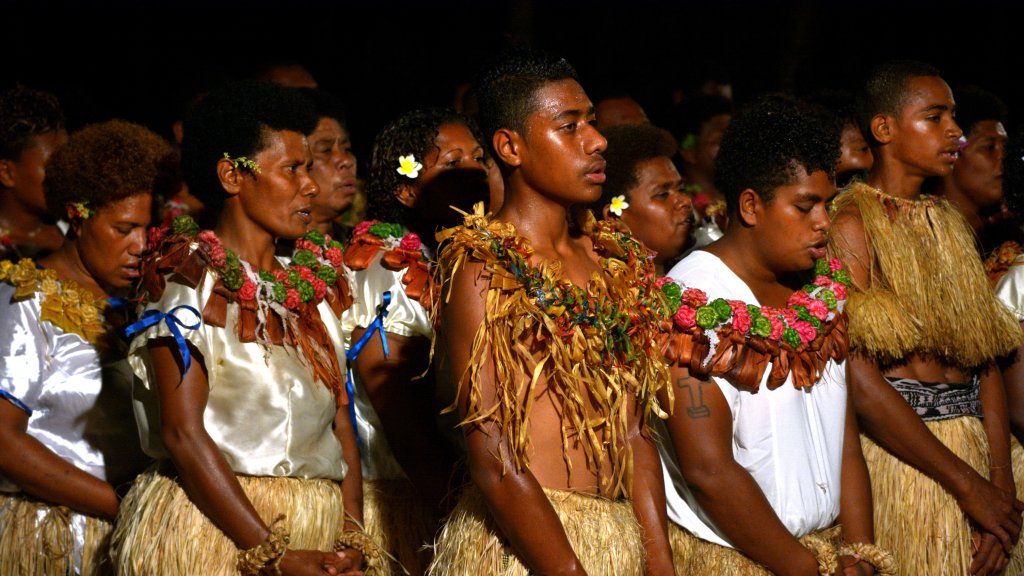
In the Pacific island nation of Fiji, Christian groups are stepping up pressure on the government to explicitly ban same-sex marriage in the new constitution. The draft constitution is due to be put to a referendum as early as mid-December. While religious representatives are demanding a clear commitment to marriage between a man and a woman, the government has so far retained the existing protections against discrimination against LGBTQ+ people.
Key points at a glance
- Ban demanded: Christian groups want an explicit ban on same-sex marriage enshrined in Fiji’s new constitution.
- Referendum planned: The government intends to put the draft constitution to a vote on 9 December 2026.
- Protection against discrimination retained: The draft retains the ban on discrimination on the grounds of sexual orientation, gender identity and gender expression.
- Church representative applies pressure: Deputy Health Minister Penioni Ravunawa is calling for a constitutional definition of marriage as a union between a man and a woman.
- Religious freedom in focus: Ravunawa is also demanding protection for religious marriage ceremonies and supports the introduction of a national day of prayer.
Focus on the constitution
The current version of the draft constitution leaves it to parliament to define marriage in law. At the same time, the draft provides that such laws cannot be challenged in court on the grounds that they violate the equality rights specified in it. The text does not currently contain an explicit ban on same-sex marriage. Christian organisations had previously tried to persuade the government to remove a provision from the current constitution. It prohibits discrimination on the grounds of sexual orientation, gender identity and gender expression. However, as the news website Fiji Village reported, the protective provision has been carried over into the new draft constitution.
Church demands a definition
Penioni Ravunawa, president of the Christian organisation Apostles Fellowship International (AFI), took a particularly clear stance. The church representative, who is also Fiji’s Deputy Health Minister, called for an explicit ban on same-sex marriage at a public hearing on the 2026 constitutional amendment bill in the village of Kilaka in the Kubulau region of Bua. According to the newspaper Fiji Sun, the demand was one of eight recommendations Ravunawa presented during the hearing. He justified his proposal by arguing that the traditional and religious understanding of marriage needed constitutional protection. “AFI calls for an explicit constitutional provision defining marriage as a voluntary union between one man and one woman and prohibiting the legal recognition of same-sex marriages,” Ravunawa said. The church president cited biblical texts in support of his demand. In his view, existing legal and constitutional provisions are insufficient to define marriage clearly.
Constitution protects marriage
Article 29 of the new draft constitution is at the centre of the dispute. It contains an exemption under which certain laws and administrative actions do not violate the fundamental rights specified in that article solely because they regulate particular areas of law. The relevant passage states: “A law or an administrative action taken under a law does not contravene the rights mentioned in this article because it makes provision for adoption, marriage, the transfer of property on death and pensions.”
The provision largely corresponds to the existing rule in the 2013 constitution. It protects such laws against challenges based on the specified equality rights, but does not itself determine whether marriage may be entered into exclusively between a man and a woman. It is precisely this lack of a definition that Ravunawa criticises. He is demanding that the new constitution should not only protect existing marriage laws but also explicitly rule out the legal recognition of same-sex marriages.
Greater religious freedom?
Alongside his call for a marriage ban, Ravunawa advocated clarifying the relationship between the marriage provisions and religious freedom. The latter is addressed in Article 25 of the proposed constitutional text. In his view, churches and clergy must retain the ability to teach about marriage and conduct marriage ceremonies in accordance with their religious beliefs. He said the constitution must ensure that religious communities can freely express their beliefs on these matters. At the same time, the church president stressed that protection against abuse must apply to everyone. “Every person must nevertheless be protected from violence, intimidation and degrading treatment,” Ravunawa said.
Focus on protection against discrimination
The dispute over the definition of marriage is part of a broader debate about Fiji’s future constitution. Christian groups had already tried to remove the existing constitutional protection against discrimination on the grounds of sexual orientation, gender identity and gender expression. So far, they have been unsuccessful. The government has carried the relevant provision over from the current constitution into the new draft. This means that, under the current draft, constitutional protection against discrimination against LGBTQ+ people remains in place. The demand for an explicit marriage ban now seeks to determine the constitutional status of same-sex partnerships independently of these general protections.
What will voters decide?
It is unclear whether the government will take up the proposal before the planned referendum. Under the government’s plans, voters will have the final say on the proposed constitutional amendments. The referendum is scheduled for 9 December 2026. Homosexuality has been legal in Fiji since 2010, and the 2013 constitution also explicitly prohibits discrimination on the grounds of sexual orientation and gender identity. However, same-sex marriages are not recognised, and despite legal protection against discrimination, gay people continue to face social prejudice and religiously motivated rejection.








