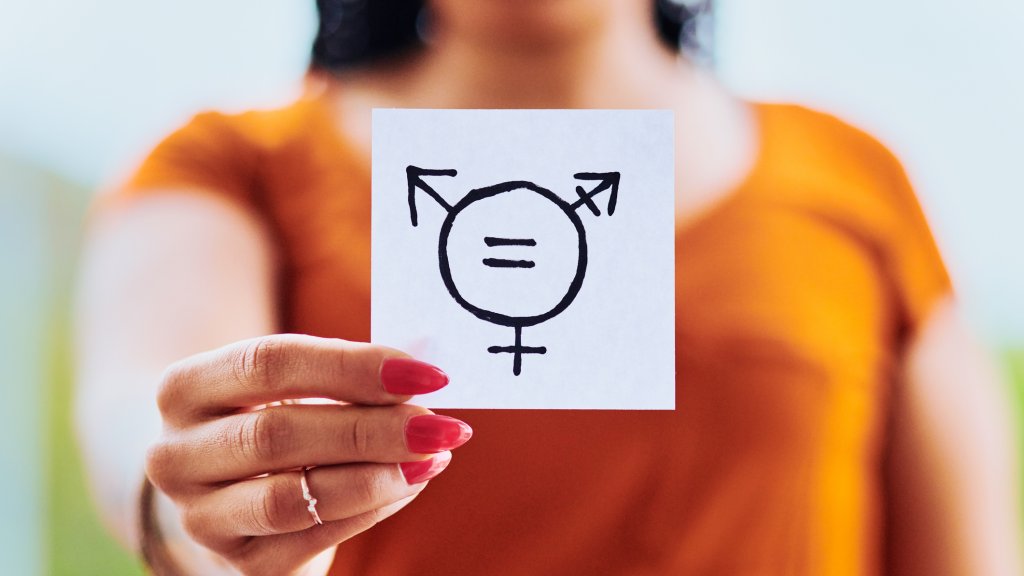
The LSVD+ Verband Queere Vielfalt Berlin-Brandenburg is calling for a stronger societal commitment to the rights of intersex people. The organisation highlights ongoing disadvantages and calls for greater recognition, self-determination and respect for diversity in physical sex characteristics.
Key points at a glance
- Greater recognition in society: the LSVD+ Verband Queere Vielfalt Berlin-Brandenburg is calling for greater consideration of intersex people's lived realities.
- Criticism of medical interventions: the association highlights treatments carried out without adequate information being provided to those affected or their informed consent.
- Board member Charlotte-Ariane Krumbholz calls for greater respect for bodily integrity and individual decisions.
- Advice for those affected and their families: through specialist intersex peer counselling, the association supports intersex people and their relatives with medical, legal and personal questions.
Too little recognition
In the association's view, intersex people's lived realities still receive too little recognition. The organisation is particularly critical of social expectations that physical sex characteristics must conform to certain norms. These expectations could lead to natural physical differences being regarded as requiring medical treatment. The association stresses that intersex people are an integral part of society. Their experiences and needs must therefore be given greater consideration in public debate, in healthcare and in decisions affecting their bodily integrity.
Medical treatment
A central focus of the association's criticism is the medical approach to being intersex. It says that being intersex is neither an illness nor a physical defect, but a natural variation in sex characteristics. Nevertheless, intersex people have repeatedly faced the notion that their bodies must be altered to conform to socially expected sex norms. Medical interventions carried out without adequate information being provided to those affected or their informed consent are particularly problematic.
Such treatments have left many people with long-term physical and psychological consequences, the association says. It therefore continues to see a significant need for action in medical care and in protecting people's freedom to make their own decisions. It calls for a sensitive approach to intersex people at every stage of life. Medical decisions must respect the bodily integrity and self-determination of those affected. At the same time, greater knowledge about being intersex is needed to challenge prejudice and the notion that certain bodies supposedly need correcting.
A board member's account
Charlotte-Ariane Krumbholz illustrates how far-reaching the consequences of social expectations and medical decisions can be. The intersex board member of the LSVD+ Verband Queere Vielfalt Berlin-Brandenburg points to personal experiences of inadequate information and lack of consent. “As an intersex person, I know from my own experience what it means when your body does not conform to society's ideas about sex and medical decisions are made without adequate information and consent. For me, visibility therefore means more than simply acknowledging that intersex people exist. It is about taking our lived realities seriously, recognising our experiences and respecting our right to self-determination and bodily integrity,” Krumbholz explains.
The statement underlines a central demand from the association: visibility in society alone is not enough as long as intersex people's experiences are not adequately taken into account and their rights are not consistently respected. For LSVD+, this means, in particular, ensuring that those affected are not sidelined in decisions about their own bodies. It is equally important, the association says, that their personal histories and needs are not viewed solely from a medical perspective.
Not just about discrimination
Alongside its work against disadvantage, the organisation is calling for society to take a broader view of intersex people. Their lived realities must not be defined solely by experiences of discrimination or medical treatment. The association advocates greater recognition of intersex people's individual paths through life, personal strengths and diversity. Recognition in society must be a matter of course and must not depend on those affected having to explain and justify their physical characteristics or personal histories. Alongside its political and social advocacy, the LSVD+ Verband Queere Vielfalt Berlin-Brandenburg offers what it calls intersex peer counselling. The service is aimed at intersex children, young people and adults, as well as parents, legal guardians and other relatives.








