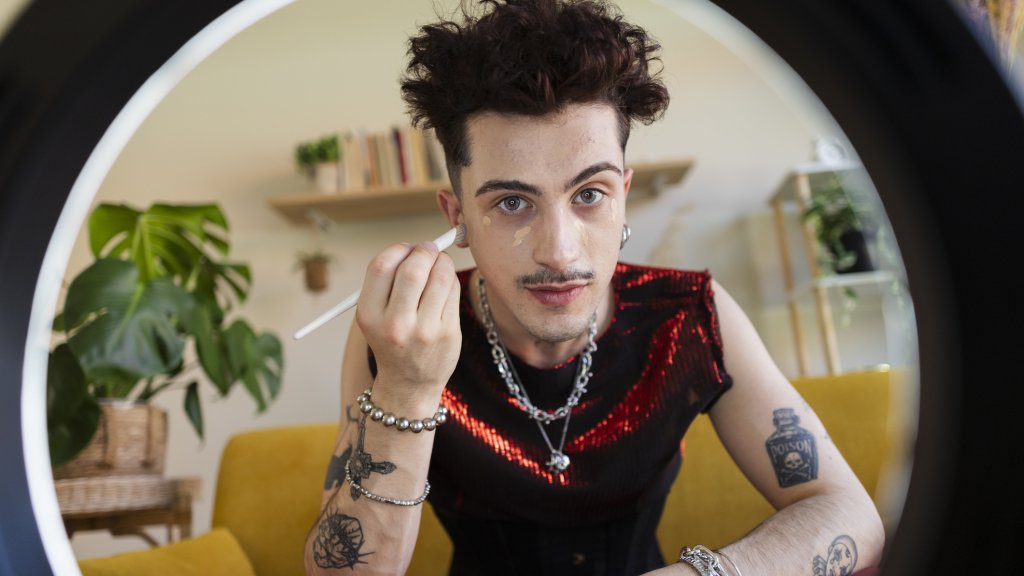
Gay, lesbian and bisexual employees who behave in ways that do not conform to gender stereotypes experience significantly more discrimination and harassment at work than other LGBTQ+ people, according to a new study. The findings come from research by the Williams Institute at the UCLA School of Law. This concerns what is known as gender-nonconforming behaviour, such as gay men who present in a very feminine way or lesbian women who appear very masculine.
Key findings at a glance
- A Williams Institute study shows that 62 per cent of gay, lesbian and bisexual employees who do not conform to gender stereotypes have experienced discrimination or harassment.
- Those affected are more likely to be out at work, while also being more likely to try to conceal their identity.
- Gay and bisexual men report discrimination more often than lesbian and bisexual women.
- Almost one in two of those affected has left a job because of their employer's treatment of them.
A question of how others perceive you
According to the findings, 62 per cent of gender-nonconforming gay, lesbian and bisexual employees said they had experienced workplace discrimination or harassment because of their sexual orientation at some point in their lives. This includes dismissal, being denied employment or promotion, and verbal, physical or sexual harassment. Among gender-conforming gay, lesbian and bisexual employees, the figure was 41 per cent.
The American Psychological Association defines gender conformity as the extent to which a person's gender expression “differs from societal stereotypes for the sex recorded at birth”. For the study, researchers analysed survey data from around 1,900 LGB employees. They compared the experiences of gender-nonconforming people in the community with those of their gender-conforming colleagues.
Greater openness beyond stereotypes
The study also shows that gender-nonconforming employees are more likely to be open about their sexual orientation. Around 68 per cent said they were out to their direct manager. Among gender-conforming LGBTQ+ employees, the figure was 50 per cent. Some 47 per cent of gender-nonconforming employees were out to all their colleagues, compared with 28 per cent of the gender-conforming group. At the same time, gender-nonconforming gay, lesbian and bisexual employees were more likely than their gender-conforming colleagues to report using so-called “covering” strategies (66 versus 55 per cent). These include changing their clothing, voice or body language to avoid discrimination based on sexual orientation.
Gay and bisexual men more frequently affected
Gender-nonconforming LGB people are a particularly vulnerable and marginalised group in the workplace, stressed lead author Neko Michelle Castleberry, Research Data Analyst at the Williams Institute. “Many cannot be themselves at work and experience an unsupportive working environment. More effective monitoring and more consistent enforcement of existing rules are needed to ensure that gender-nonconforming employees are fully protected from discrimination and harassment.” Within the group of gender-nonconforming employees, gay and bisexual men were more likely than lesbian and bisexual women to report discrimination or harassment based on their sexual orientation (72 versus 55 per cent). In the past year, they were also around twice as likely to have experienced discrimination (23 versus 9 per cent) and harassment (25 versus 13 per cent).
Problems persist despite expanded legal protection
According to the researchers, discrimination and harassment have continued since the US Supreme Court's ruling in Bostock v. Clayton County in June 2020. The decision expanded federal protection for LGBTQ+ employees against workplace discrimination. Around 23 per cent of gender-nonconforming LGB employees said they had experienced discrimination or harassment based on their sexual orientation within the past year. Among gender-conforming people in the same group, the figure was just 12 per cent. According to the study, these experiences also affect people's careers. Almost half (48 per cent) of gender-nonconforming gay, lesbian and bisexual employees reported having left a job at least once because they felt their employer had treated them badly because of their sexual orientation.








